Start a Agricultural Pesticides Trading Business in Dubai

Topic Summary
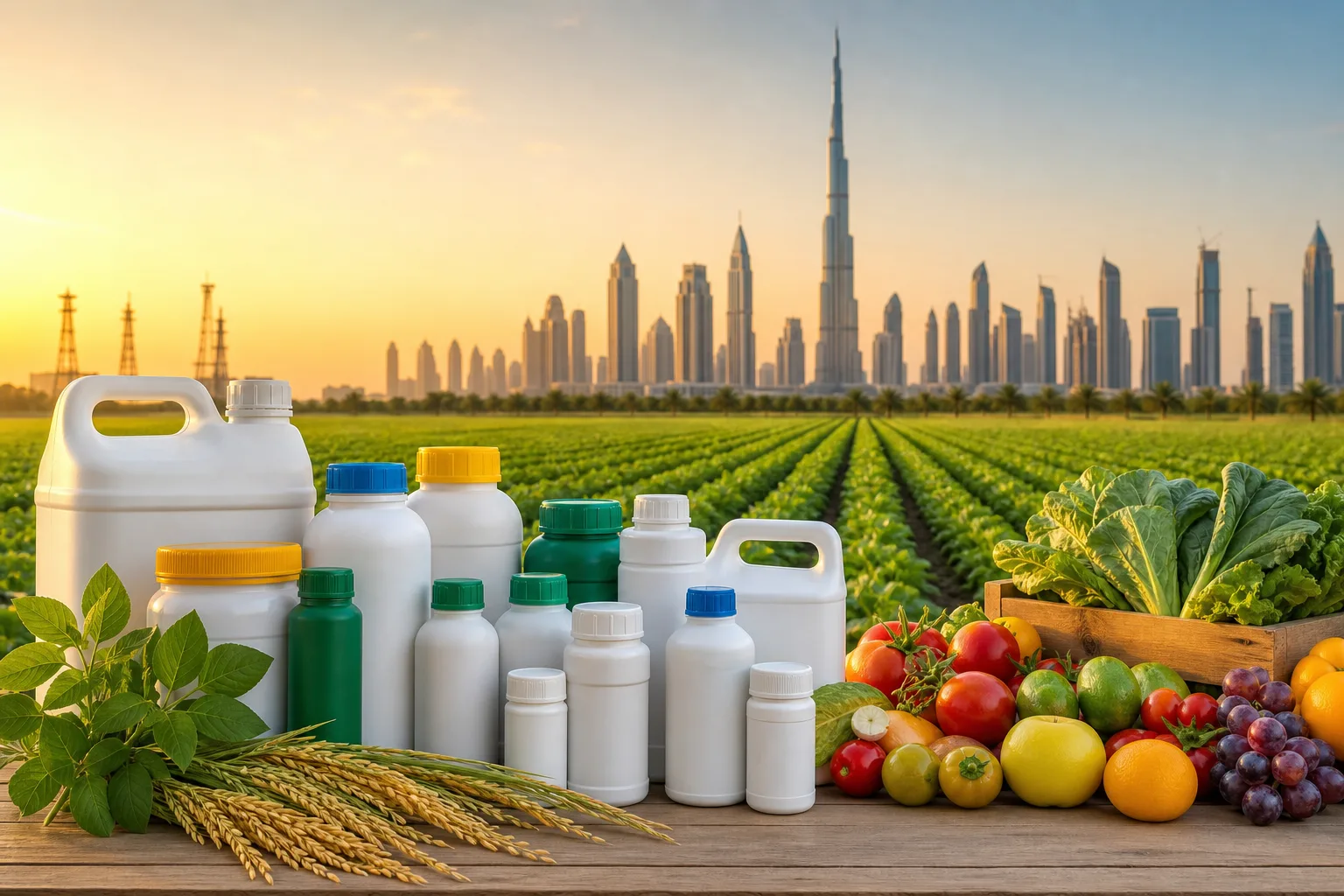
Dubai's Location Gives Traders a Global Edge
Sitting at the crossroads of Asia, Africa, and Europe, Dubai is one of the world's most powerful re-export hubs. Agricultural pesticides traders can reach over 180 countries duty-free through Dubai's free zones.
Rising GCC Demand Makes Timing Ideal
Agricultural output across the Gulf is growing steadily, driving strong demand for pesticides, herbicides, and fungicides. Regional food security initiatives and sustained MENA agricultural import growth add further long-term momentum.
World-Class Infrastructure Supports Efficient Trade
Jebel Ali port connects traders to global supply chains, while the Dubai Trade platform streamlines customs clearance and logistics documentation. This combination significantly reduces operational friction for pesticide importers and exporters.
Federal Pesticide Registration Is Non-Negotiable
All pesticide products must be registered with the Ministry of Climate Change and Environment before import or sale, a process that typically takes three to six months. Trading unregistered products carries serious legal penalties, so apply early and in parallel with company formation.
Labelling Compliance Requires Meeting Two Standards
Every pesticide product sold or re-exported from Dubai must comply with both ESMA's UAE chemical labelling standards and the internationally recognised GHS hazard communication system. Non-compliant labelling can lead to shipment delays, fines, or confiscation.
Customs and VAT Obligations Must Be Planned For
Pesticides require hazardous goods declarations through the Dubai Trade portal for every import and export shipment. Businesses with annual turnover exceeding AED 375,000 must also register with the Federal Tax Authority before beginning taxable trading activities.
Choosing Mainland or Free Zone Shapes Your Business
Your company structure determines where you can sell, how you trade, and what compliance obligations apply on an ongoing basis. Evaluating mainland versus free zone setup early is one of the most consequential decisions in launching a pesticides trading operation.
Dubai's strategic location places it at the crossroads of Asia, Africa, and Europe. This makes it one of the most powerful re-export hubs in the world. For agricultural pesticides traders, that positioning is a significant competitive advantage.
The UAE's stable regulatory environment also supports chemical and agri-commodity trade. Businesses benefit from clear frameworks, modern infrastructure, and strong government backing for trade-related sectors.
Market Opportunity and Trade Volume
Agricultural output across the GCC is rising steadily. This is driving increased demand for crop protection products, including pesticides, herbicides, and fungicides. Regional food security initiatives are accelerating that demand further.
Dubai's free zones allow duty-free re-export to more than 180 countries.
The Dubai Chamber highlights the emirate's growing role in agri-commodity trade flows.
The World Bank reports sustained growth in MENA agricultural imports, underpinning long-term demand.
World-class port infrastructure at Jebel Ali connects traders to global supply chains efficiently.
The Dubai Trade platform simplifies documentation, customs clearance, and logistics coordination.
Together, these factors create a compelling case for launching an agricultural pesticides trading operation in Dubai. The infrastructure is ready. The demand is real. The opportunity is now.
Regulatory Requirements and Approvals
Agricultural pesticides are classified as controlled chemical substances in the UAE. This means you need multiple approvals before you can legally trade them. Understanding the regulatory landscape early will save you time and money.
The key federal authority is the Ministry of Climate Change and Environment (MOCCAE). They oversee pesticide registration and control. The Dubai Economy and Tourism (DET) department issues mainland trade licences. Import and export permits are also required on a per-shipment basis.
Federal Pesticide Registration
All pesticide products must be registered with MOCCAE before you can import or sell them. This is a non-negotiable requirement. Trading unregistered pesticides carries serious legal penalties.
The registration process involves submitting a detailed technical dossier. You will need to provide:
Safety Data Sheets (SDS) for each product
Efficacy and toxicology data
Active ingredient declarations and formulation details
Packaging and labelling samples
Manufacturer certifications and country-of-origin documents
Registration typically takes 3 to 6 months. Plan your business launch timeline around this process. Apply for product registrations as early as possible — ideally in parallel with your company formation steps.
Customs and Trade Compliance
The Dubai Trade portal manages import and export documentation. It also handles customs clearance for all goods entering or leaving Dubai. Pesticides require hazardous goods declarations under UAE chemical trade regulations.
Labelling is another critical compliance area. All pesticide products sold or re-exported from Dubai must meet two sets of standards:
ESMA (Emirates Authority for Standardisation and Metrology): UAE product standards for chemical labelling
GHS (Globally Harmonised System): International standard for hazard communication
Non-compliant labelling can result in shipment delays, fines, or confiscation. Work with a compliance specialist to ensure every product label meets both requirements before importation.
You should also be aware of VAT obligations. If your annual turnover exceeds AED 375,000, you must register with the Federal Tax Authority. VAT registration is straightforward but must be completed before you begin taxable trading activities.
Business Licence and Company Setup Options
Choosing the right business structure is one of the most important early decisions you will make. Your choice affects where you can sell, how you can trade, and what your ongoing compliance obligations will be.
There are two main routes: mainland setup or free zone setup. Each has distinct advantages depending on your target market and business model. You can also get a trading business license in Dubai tailored specifically to commodity and chemical trading activities.
Mainland Setup via Dubai Economy and Tourism
A mainland licence issued by Dubai Economy and Tourism (DET) allows you to trade directly within the UAE market. This is the right choice if you plan to sell to local distributors, retailers, or agricultural businesses inside the country.
For agricultural pesticides trading, you will typically apply under one of these activity categories:
Chemical Products Trading
Agricultural Products Trading
Pesticides and Insecticides Trading
A mainland setup requires a physical office address in Dubai. You will also need a UAE-resident local service agent or a local partner, depending on your chosen legal structure. Common structures include a Limited Liability Company (LLC) or a sole establishment.
Licence fees vary based on activity type and office location. Contact DET directly or work with a business setup consultant for current fee schedules. You can also calculate your business setup cost in Dubai using an online cost tool to get an early estimate.
Free Zone Setup for Re-Export Operations
A free zone licence is ideal if your primary focus is importing and re-exporting pesticides to international markets. Free zones offer 100% foreign ownership, which is a major draw for international traders.
Dubai South Business Hub Free Zone is a strong option for traders who want access to world-class logistics infrastructure. Its proximity to Al Maktoum International Airport and key logistics corridors makes it well-suited for agri-commodity and chemical trading businesses focused on regional and global distribution.
Key advantages of a free zone setup include:
100% foreign ownership with no local partner requirement
Streamlined import and re-export procedures
Access to bonded warehousing and logistics facilities
Efficient customs processing for hazardous and controlled goods
Note that free zone companies cannot sell directly to end customers inside the UAE mainland without appointing a licensed local distributor. If you plan to do both — re-export and local sales — you may need a dual-entity structure.
Before you commit to a name and structure, check your company name availability early in the process to avoid delays during registration.
You can also explore the full list of business activities in Dubai to confirm the exact activity codes that apply to your pesticides trading operation.
Storage, Logistics, and Supply Chain Essentials
Pesticides are hazardous goods. This means your storage and logistics arrangements must meet strict safety and regulatory standards. Getting this right is not optional — it is a legal requirement.
You cannot store pesticides in a standard commercial warehouse. You need an approved hazardous goods facility with proper ventilation, containment systems, and fire suppression equipment. Civil Defence approval is mandatory for any chemical storage facility operating in Dubai.
Warehouse and Safety Standards
Your warehouse must comply with the UAE Fire and Life Safety Code of Practice. This code sets out specific requirements for chemical storage, including:
Segregation of incompatible chemical categories
Secondary containment systems to prevent spills
Adequate ventilation and temperature control
Fire suppression systems approved by Civil Defence
Clear emergency access routes and safety signage
Material Safety Data Sheets (MSDS) must be maintained on-site for every product you store. These documents must be accessible to staff and emergency responders at all times.
All staff involved in handling pesticides must complete certified hazardous materials training. This is both a safety requirement and a regulatory obligation. Keep training records on file for inspection purposes.
DP World operates advanced logistics facilities across Dubai, including specialised handling for dangerous goods. Partnering with certified logistics providers experienced in chemical cargo will significantly reduce your compliance risk and operational complexity.
The Dubai Trade platform also streamlines port operations. It connects traders, freight forwarders, and customs authorities through a single digital interface — reducing paperwork and processing times for import and export shipments.
Costs, Timelines, and Key Considerations
Understanding your cost structure upfront helps you plan realistically and avoid surprises. Agricultural pesticides trading involves several layers of cost beyond the standard business licence fee.
Typical business setup costs in Dubai range from AED 15,000 to AED 50,000 or more. The final figure depends on your chosen jurisdiction, legal structure, office requirements, and visa package. Free zone setups at Dubai South Business Hub Free Zone are generally more cost-efficient for new entrants focused on trading and re-export.
Budget separately for the following:
MOCCAE product registration fees: Charged per SKU (stock-keeping unit). If you plan to trade a large product range, registration costs can be substantial.
Civil Defence approvals: Required for your warehouse or storage facility.
VAT registration: Mandatory if turnover exceeds AED 375,000 annually. Register with the Federal Tax Authority before you begin trading.
Import/export permits: Required per shipment for controlled chemical substances.
Staff training and certification: For hazardous materials handling compliance.
The overall company formation timeline is typically 2 to 4 months — excluding product registration with MOCCAE. Factor in an additional 3 to 6 months for pesticide registration. Starting the registration process early is strongly advised.
Once your company is formed, you will also need to open a corporate bank account. Bank account opening in Dubai for chemical trading businesses may require additional documentation, including your MOCCAE approvals and Civil Defence certificates. Plan for this step in advance.
Ongoing Compliance and Renewal
Running a pesticides trading business in Dubai is not a one-time compliance exercise. Ongoing obligations include:
Annual trade licence renewal: Required through DET (for mainland) or your free zone authority. Renew on time to avoid penalties and operational disruption.
MOCCAE pesticide registration renewal: Registrations are not permanent. Check renewal timelines for each registered product and file applications before expiry.
Import/export permit records: UAE regulations require you to retain customs and permit records for a minimum of five years.
VAT filing: Submit regular VAT returns to the Federal Tax Authority as required.
Staff training updates: Refresh hazardous materials training certifications periodically.
Staying compliant is easier when you have professional support. Business support services in Dubai can help you manage licence renewals, government transactions, and ongoing regulatory filings — so you can focus on growing your trade business.
Conclusion
Starting an agricultural pesticides trading business in Dubai is a rewarding opportunity — but it requires careful preparation. Federal product registration with MOCCAE, trade licensing, hazardous goods compliance, and logistics planning all need to be addressed in the right sequence.
The good news is that Dubai's infrastructure, regulatory clarity, and global connectivity give you everything you need to build a successful operation. The market demand across the GCC and MENA region is strong and growing.
Ready to start your business in Dubai? Speak with a licensed business setup consultant at Dubai South Business Hub Free Zone today. Get expert guidance on licences, approvals, and company formation — and get to market faster with the right support from day one.
Citations
Frequently Asked Questions