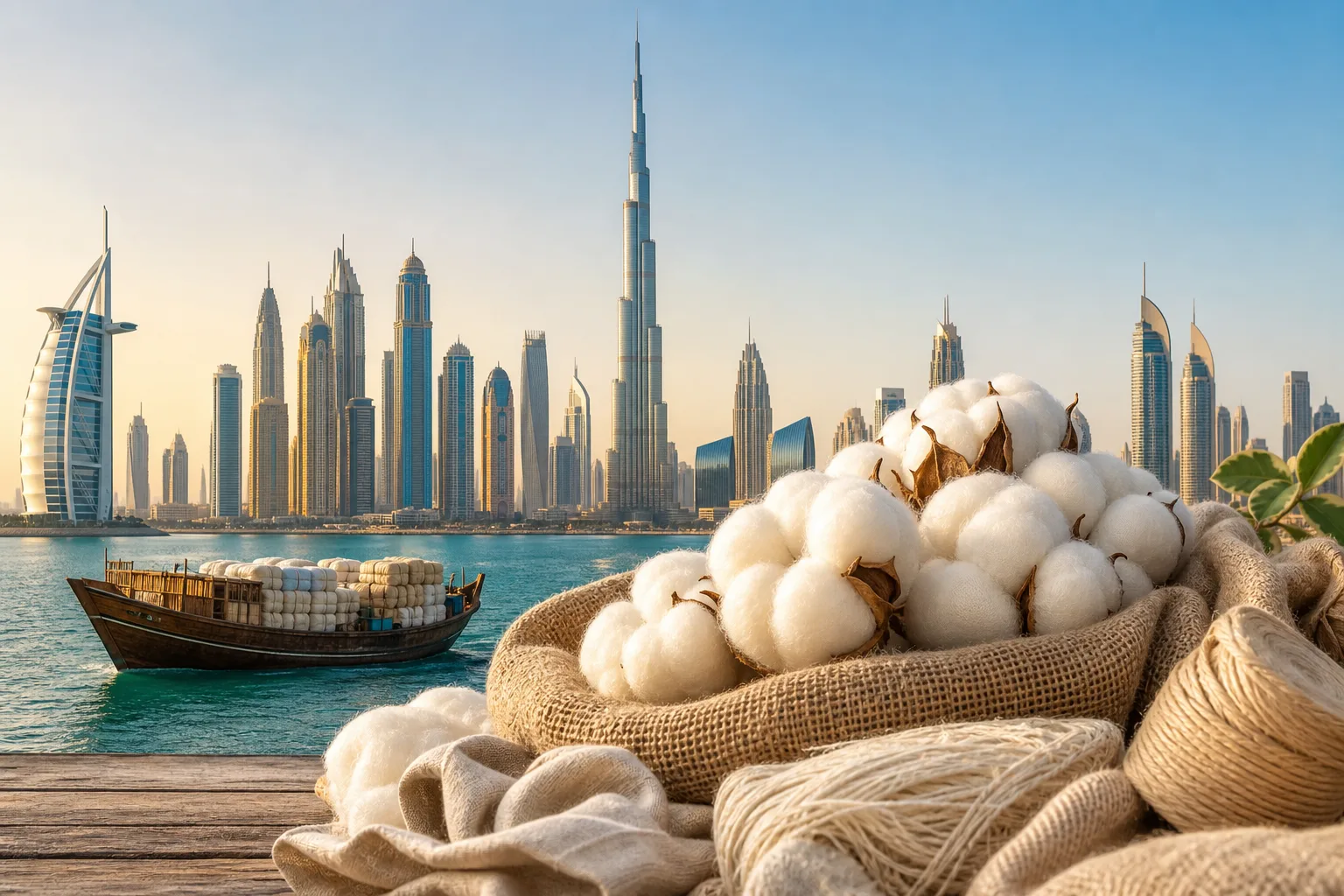
Apply for a Cotton & Natural Fibers Trading License in Dubai
Topic Summary
Dubai's Location Gives Traders a Strategic Edge
Dubai South sits adjacent to Al Maktoum International Airport and near Jebel Ali Port, one of the world's largest container ports. This dramatically reduces transit times and costs for bulk natural fibre shipments connecting Asia, Africa, and Europe.
License Covers a Wide Range of Natural Fibres
Activity Code 4752.98 permits wholesale and retail trading of cotton, jute, sisal, flax, hemp, and other plant-based fibres. It authorises import, export, re-export, and local distribution, though manufacturing or processing activities require a separate industrial license.
100% Foreign Ownership With No Local Sponsor
International traders can retain full ownership of their Dubai South business without appointing a UAE national partner. This means complete control over operations and unrestricted profit repatriation.
Setup Is Fast and Relatively Affordable
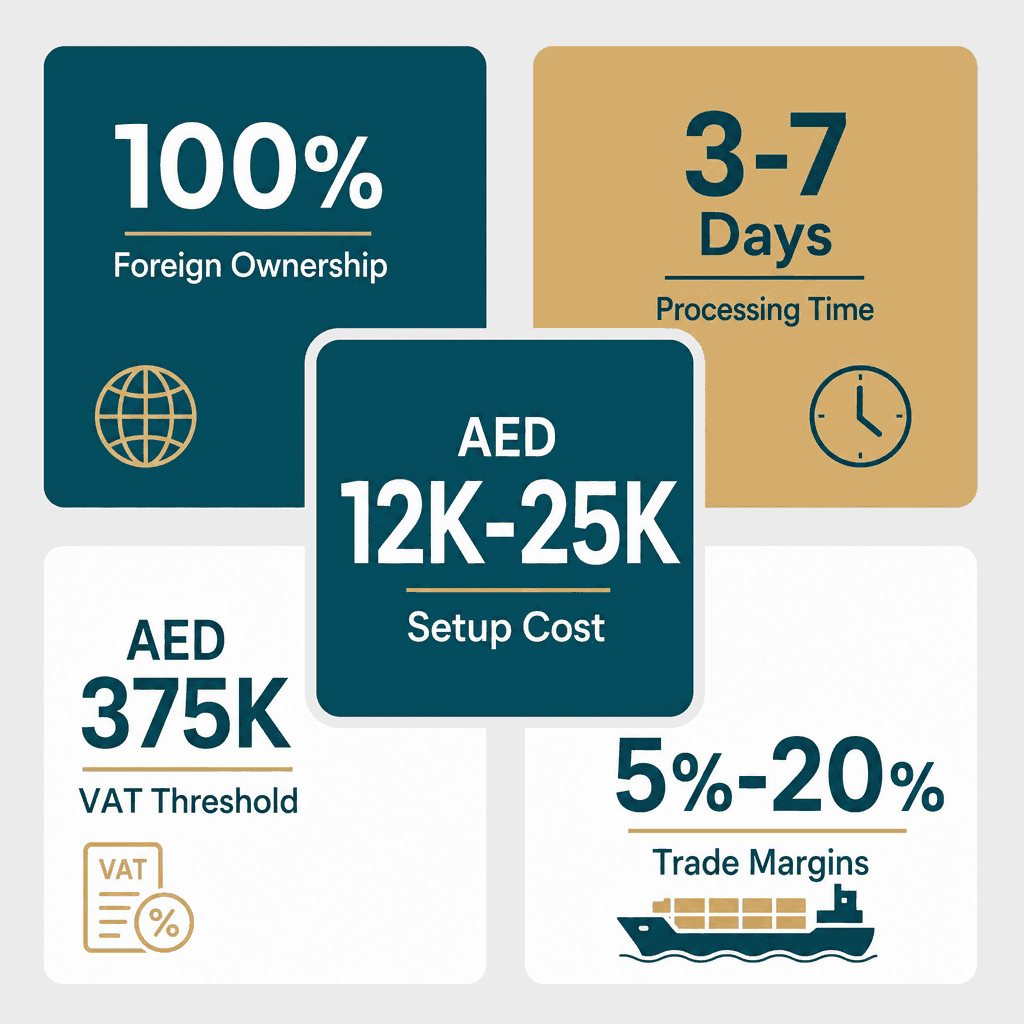
First-year setup costs typically range from AED 12,000 to AED 25,000, covering the license, registration, and workspace fees. The processing timeline is just three to seven working days, making it one of the quicker jurisdictions to become operational.
Strong Trade Corridors Support Sourcing Efficiency
The UAE has well-established relationships with leading cotton producers including India, Pakistan, Egypt, and East African nations. These corridors make sourcing raw materials and managing onward distribution significantly more efficient than operating from outside the region.
Growing Demand for Natural Fibres Strengthens the Case
Consumer preference for biodegradable, plant-based materials is driving global demand for cotton, jute, and similar fibres. Traders entering this market through Dubai are well-positioned to serve textile, packaging, and industrial buyers across multiple continents.
Healthy Margins Make the Business Model Viable
Typical trading margins range from 5% to 20% depending on fibre type and transaction volume. Combined with low setup costs and Dubai's tax-friendly environment, the license offers a commercially attractive entry point for new and established traders alike.
Dubai sits at the crossroads of the world's most active cotton and natural fibre supply chains, making it one of the most strategically valuable locations for traders looking to connect producers in South Asia and Africa with buyers across Europe and the Middle East. This guide explains how to obtain a Cotton and Natural Fibers Trading License (Activity Code 4752.98) at Dubai South Business Hub Free Zone, covering what the license includes, who it suits, setup costs, and the steps required to trade legally and profitably.
Key Stats at a Glance
Activity Code: 4752.98 (Cotton and Natural Fibers Trading)
License Type: Trading License
Foreign Ownership: 100% permitted, no local sponsor required
Estimated First-Year Setup Cost: AED 12,000 to AED 25,000
Processing Timeline: 3 to 7 working days
VAT Registration Threshold: AED 375,000 annual taxable turnover
Typical Trading Margins: 5% to 20% depending on fibre type and volume
Location Advantage: Adjacent to Al Maktoum International Airport and Jebel Ali Port
Why Dubai Is a Prime Hub for Cotton and Natural Fibre Trade
The UAE has long been recognised as a re-export gateway connecting Asia, Africa, and Europe, supported by world-class logistics infrastructure that few jurisdictions can match. Dubai South's strategic position adjacent to Al Maktoum International Airport and in close proximity to Jebel Ali Port, one of the largest container ports in the world, significantly reduces transit times and operational costs for commodity traders handling bulk natural fibre consignments.
Global demand for natural fibres including cotton, jute, flax, and sisal continues to grow, driven in large part by the sustainability movement and consumer preference for plant-based, biodegradable materials. This trend is reinforcing the commercial case for establishing a trading presence in Dubai. The UAE maintains well-established trade corridors with India, Pakistan, Egypt, and East Africa, which are among the world's leading producers of raw cotton and other natural fibres. These relationships make sourcing and onward distribution considerably more efficient than operating from outside the region.
What the Cotton and Natural Fibers Trading License Covers
Activity Code 4752.98 under the ISIC classification framework permits the wholesale and retail trading of cotton and natural fibres. The license covers a broad range of commodities including raw cotton, ginned cotton, cotton yarn, jute, sisal, flax, hemp, and other plant-based fibres used across the textile, packaging, and industrial sectors.
As a trading license, it authorises import, export, re-export, and local distribution within permitted zones. It is important to note that this license does not extend to manufacturing or processing activities. Businesses wishing to carry out ginning, spinning, or other transformation processes would require a separate industrial license in addition to or instead of the trading license.
Who This License Is Suited For
Commodity traders and brokers sourcing raw materials for textile manufacturers in the GCC, Europe, or Asia
Import-export businesses seeking a UAE base from which to manage re-export operations to global markets
Entrepreneurs entering the sustainable and natural materials supply chain for the first time
Established trading companies looking to expand their footprint into the Middle East and Africa region
Setup Costs and Steps to Obtain the License at Dubai South
License fees at Dubai South Business Hub Free Zone are competitive relative to mainland Dubai and other free zones in the emirate. One of the most commercially attractive features is that 100% foreign ownership is permitted, with no requirement to appoint a local sponsor or UAE national partner. This gives international traders full control over their business and profit repatriation.
Typical setup costs include the license fee, registration fee, and the cost of a flexi-desk or warehouse facility depending on your operational model. Estimated total first-year costs range from AED 12,000 to AED 25,000, depending on the package selected and whether physical storage space is required alongside the trading license.
Step-by-Step Application Process
Step 1: Select business activity code 4752.98 and confirm the trading license category with the free zone authority.
Step 2: Submit your application with passport copies, a business plan summary, and full shareholder details.
Step 3: Receive initial approval and proceed to pay the license and registration fees.
Step 4: Sign a lease agreement for a flexi-desk, private office, or warehouse space within the free zone, depending on your business requirements.
Step 5: Obtain your trade license certificate, open a corporate bank account, and apply for employee or investor visas if required.
The standard processing timeline for straightforward applications is 3 to 7 working days, making Dubai South one of the more efficient jurisdictions for new business setup in the region.
Licensing, Compliance, and Regulatory Requirements
All businesses holding a Cotton and Natural Fibers Trading License must comply with UAE Federal Customs Authority regulations governing the import and export of natural fibres. Annual license renewal is mandatory, and failure to renew on time can result in financial penalties and potential license cancellation.
Depending on the country of origin, certain fibre types may require phytosanitary certificates or documentation under the Convention on International Trade in Endangered Species (CITES) before goods can be cleared through UAE customs. Traders should verify these requirements with their freight forwarders prior to shipment.
Anti-money laundering (AML) compliance and Ultimate Beneficial Owner (UBO) registration are mandatory for all entities operating within UAE free zones. Additionally, businesses whose annual taxable turnover exceeds AED 375,000 are required to register for Value Added Tax (VAT) with the Federal Tax Authority.
Trading Margins, Re-Export Potential, and Facility Options
Natural fibre trading margins typically range from 5% to 20%, depending on the fibre type, volume contracted, and the terms negotiated with suppliers and buyers. Higher-value processed fibres such as combed cotton or specialty yarns tend to attract stronger margins than bulk raw commodities.
Dubai South's free zone status allows duty-free re-export, which significantly improves landed cost competitiveness when supplying buyers in third-country markets. This is a material advantage over trading from a mainland license where customs duties may apply at the point of import.
In terms of facility requirements, traders operating a documentation-only model can function effectively from a flexi-desk arrangement, keeping overheads low. Those handling physical stock can lease warehouse space within the free zone. Climate-controlled or cold storage is not typically required for most natural fibres, which further helps to keep facility costs manageable and predictable.
Related Activities
Marble & Natural Stones Trading Trading License
Special Fabrics & Fibers For Construction Trading Trading License
Timber Trading Business
Frequently Asked Questions