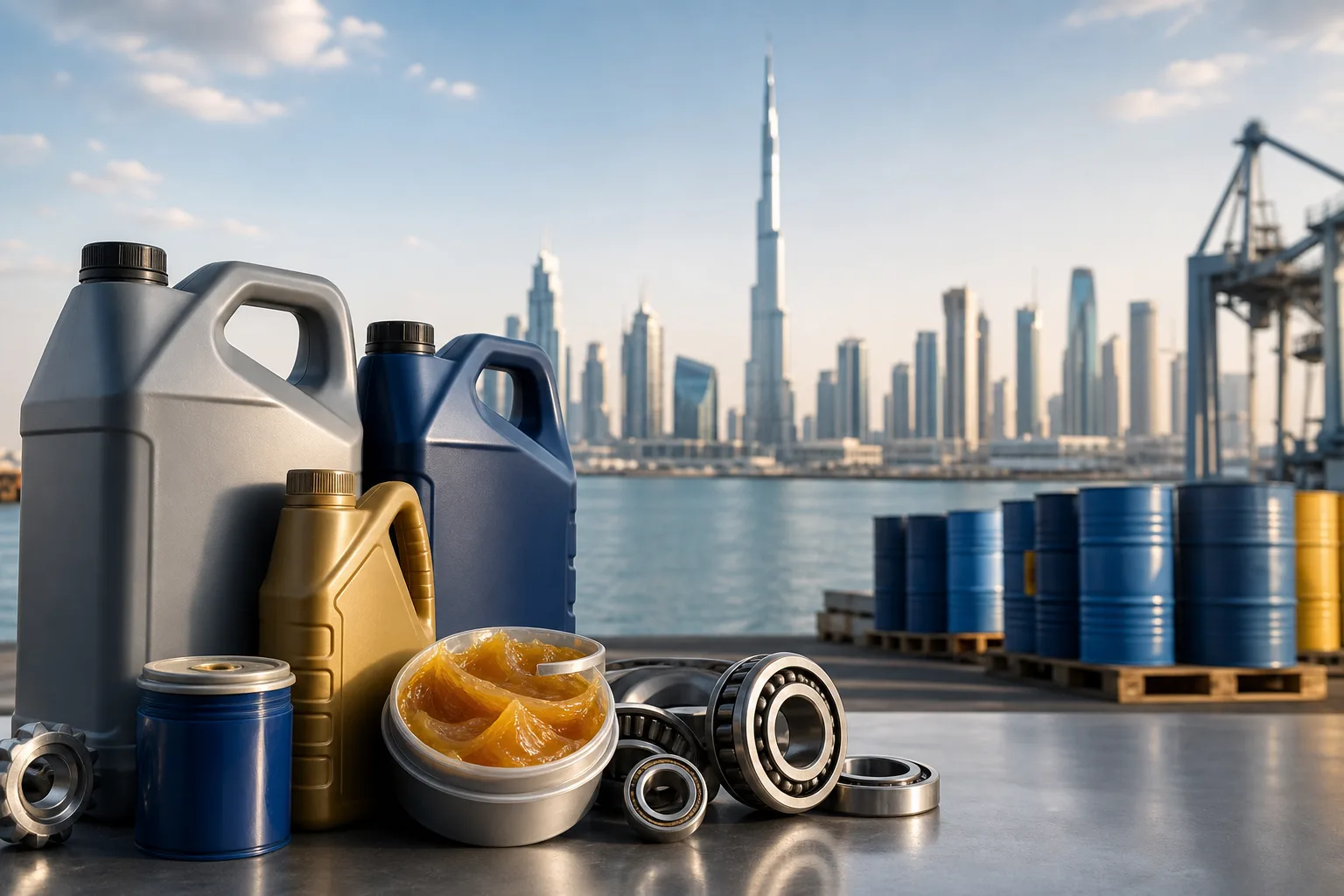
Start a Lubricants & Grease Trading Business in Dubai
Topic Summary
Dubai's Location Makes Global Trade Easy
Dubai sits at the crossroads of Asia, Africa, and Europe, making it an ideal re-export hub for lubricants and grease. Jebel Ali Port handles over 14 million tonnes of cargo annually, giving traders direct access to emerging markets worldwide.
100% Foreign Ownership With Zero Corporate Tax
Qualifying free zone entities in Dubai pay 0% corporate tax and are permitted full foreign ownership. This makes the emirate highly competitive for international investors entering the lubricants trading sector.
One License Covers a Wide Product Range
A Trading License under activity code 4730.97 authorises the import, export, and re-export of engine oils, gear oils, hydraulic fluids, industrial greases, and specialty lubricants. It covers supply to automotive, marine, aviation, and manufacturing sectors under a single entity.
Strong Local Demand Underpins the Business Case
The UAE's thriving industrial base — spanning manufacturing, construction, automotive, and marine sectors — creates consistent domestic demand for lubricants. Ongoing government infrastructure investment and a growing automotive aftermarket further strengthen long-term prospects.
The Global Market Opportunity Is Enormous
The global lubricants market is projected to exceed USD 166 billion by 2030, and the UAE is positioned at the centre of that growth. Setting up in Dubai allows traders to capture both regional MENA demand and broader international distribution opportunities.
Setup Is Fast and Straightforward
Establishing a lubricants and grease trading company at Dubai South Business Hub Free Zone typically takes just three to five working days. The free zone framework is designed to streamline procedures and connect businesses directly to Jebel Ali's logistics ecosystem.
Ideal for Multiple Business Profiles
This license suits distributors, wholesalers, international lubricant brands, automotive parts traders, and logistics companies alike. Any business looking to serve the GCC and wider MENA region will find the free zone environment particularly advantageous.
The global lubricants market is projected to exceed USD 166 billion by 2030, and the UAE sits at the centre of that growth story. As a major re-export hub connecting Asia, Africa, and Europe, Dubai offers lubricants and grease traders a rare combination of strategic geography, world-class logistics infrastructure, and a business-friendly regulatory environment. Whether you are an established manufacturer looking to expand distribution or an entrepreneur entering the industrial supply chain for the first time, setting up a lubricants and grease trading company in Dubai is a commercially sound decision.
This guide covers everything you need to know about obtaining a Trading License under activity code 4730.97 at Dubai South Business Hub Free Zone, including costs, steps, compliance requirements, and the market opportunity that makes Dubai one of the most attractive destinations for this trade.
Why Dubai for Lubricants and Grease Trading?
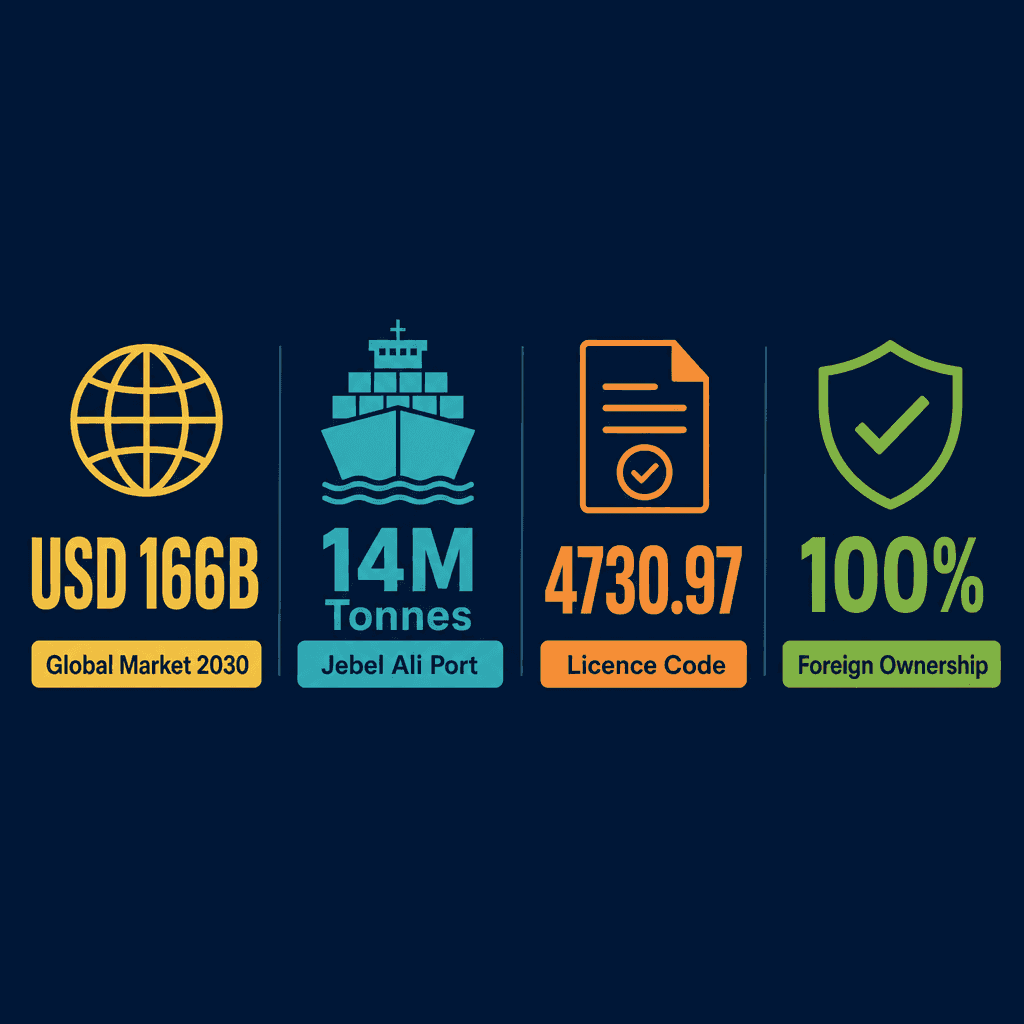
Dubai handles more than 14 million tonnes of cargo annually through Jebel Ali Port, the largest port in the Middle East and one of the busiest in the world. This connectivity is invaluable for lubricants traders who need to source products from global refineries and redistribute them across emerging markets. The UAE is also home to a thriving industrial base, including manufacturing, construction, automotive, and marine sectors, all of which are consistent consumers of lubricants and greases.
The UAE government's ongoing investments in infrastructure, the expansion of industrial zones, and the continued growth of the automotive aftermarket further underpin demand. In addition, the country's zero corporate tax regime for qualifying free zone entities and 100% foreign ownership rules make it highly competitive for international investors.
About the Lubricants and Grease Trading License
The relevant activity falls under ISIC code 4730.97, classified within the Trading category. The license type is a Trading License, which authorises the holder to buy, sell, import, export, and re-export lubricants and greases. This encompasses a broad range of products, including engine oils, gear oils, hydraulic fluids, industrial greases, and specialty lubricants used across automotive, marine, and manufacturing applications.
By operating under this license at Dubai South Business Hub Free Zone, a company benefits from a dedicated free zone framework that supports trading businesses with streamlined procedures and access to Jebel Ali's logistics ecosystem.
What the License Covers
Import and export of lubricating oils and greases
Wholesale and retail distribution to industrial and commercial buyers
Re-export to regional and international markets
Trading of petroleum-based and synthetic lubricant products
Supply to automotive, marine, aviation, and manufacturing sectors
Who Is This License Suited For?
This license is well suited to a wide range of business profiles. Distributors and wholesalers looking to serve the GCC and wider MENA region will find the free zone environment particularly advantageous. Automotive parts traders seeking to add lubricants to their product portfolio can consolidate their operations under a single entity. International lubricant brands wishing to establish a regional trading arm, as well as logistics companies that want to offer value-added trading services, are also ideal candidates.
Lubricants & Grease Trading in Dubai: Key Facts
Activity Code: 4730.97
License Type: Trading License
Free Zone: Dubai South Business Hub
Foreign Ownership: 100% permitted
Corporate Tax: 0% for qualifying free zone entities
Jebel Ali Port annual cargo: 14+ million TEUs
Global lubricants market projected value by 2030: USD 166 billion
Typical license setup timeline: 3 to 5 working days
Setup Steps and Costs
Setting up a lubricants and grease trading business at Dubai South Business Hub Free Zone involves a straightforward process. Below is a summary of the typical steps:
Choose your business activity: Confirm that activity code 4730.97 covers your intended trading operations.
Select a company structure: Most applicants opt for a Free Zone Limited Liability Company (FZ-LLC), which allows 100% foreign ownership.
Submit your application: Provide passport copies, a business plan outline, and any required declarations.
Select a facility package: Options range from flexi-desk arrangements to dedicated office or warehouse units depending on operational needs.
Pay license fees and receive your license: Licenses are typically issued within three to five working days once documentation is complete.
Indicative Cost Breakdown
Cost Component | Indicative Range (AED) |
|---|---|
Trading License Fee | From 12,500 |
Registration and Administration | From 2,000 |
Flexi-Desk / Virtual Office | From 5,000 per year |
Visa Package (per visa) | From 3,500 |
Costs vary depending on the number of visas required, the type of facility chosen, and any additional approvals needed from external regulatory bodies.
Compliance and Regulatory Requirements
Lubricants and greases are classified as petroleum-derived or chemically synthesised products, which means traders must be aware of applicable regulations. Key compliance considerations include:
Ensuring products meet UAE standards set by the Emirates Authority for Standardisation and Metrology (ESMA)
Obtaining relevant import permits for restricted or hazardous chemical classifications
Maintaining proper labelling and safety data sheets in line with UAE chemical regulations
Adhering to customs documentation requirements for re-export activities through Jebel Ali
The free zone authority at Dubai South Business Hub provides guidance on any sector-specific approvals required prior to license issuance.
Re-Export Advantage
One of the most compelling reasons to base a lubricants trading operation in Dubai is the re-export opportunity. The UAE's extensive network of double taxation agreements, preferential trade arrangements, and its position as a logistics gateway means that businesses can efficiently serve markets across Africa, South Asia, the Levant, and Central Asia from a single Dubai base. Free zone companies benefit from customs duty exemptions on goods that are imported and subsequently re-exported, significantly improving margin structures for trading businesses.
Related Activities
Grease Traps Trading Trading License
Motor Vehicles Trading Trading License
Frequently Asked Questions