Metal Scrap & Recycling Materials Trading License in Dubai: Cost and Requirements
Topic Summary
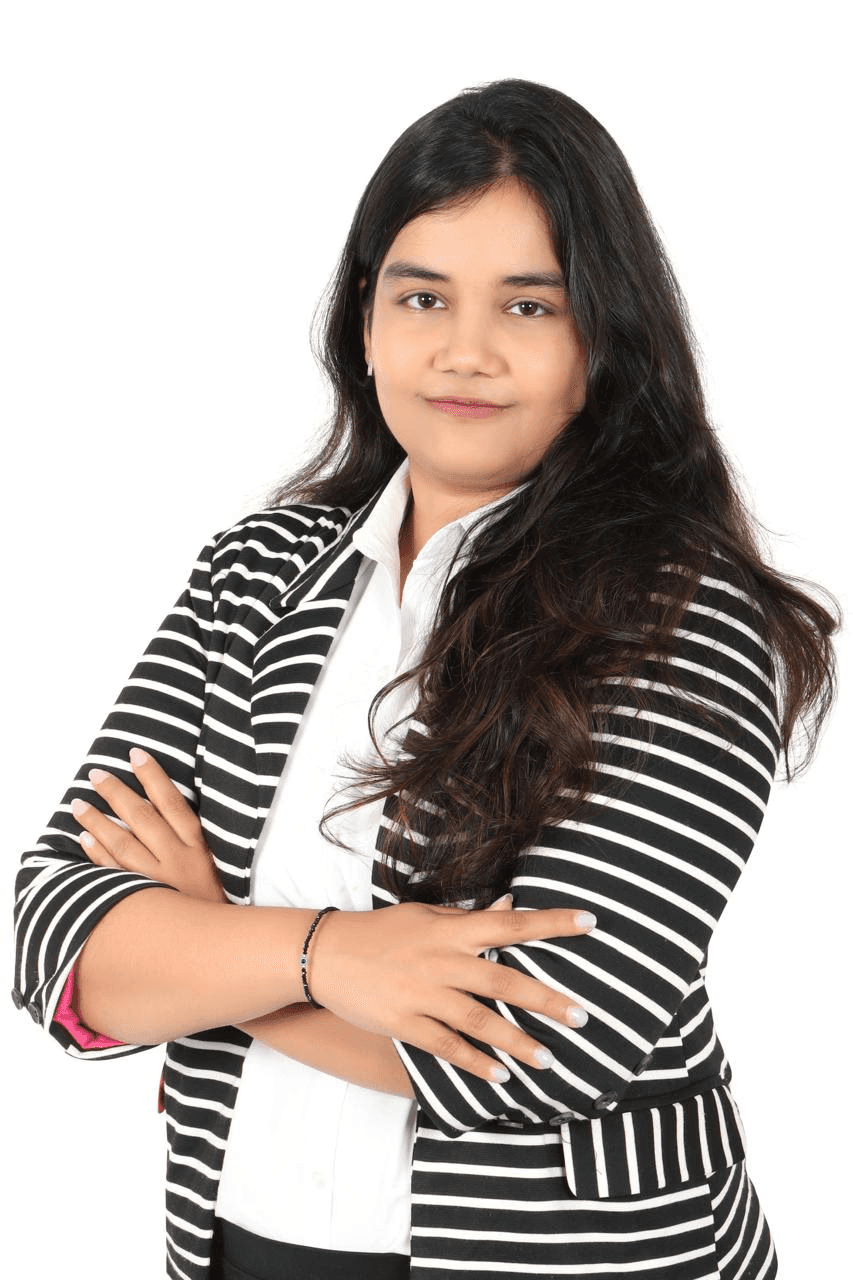
100% Foreign Ownership With Zero Corporate Tax
Businesses licensed under Dubai South Business Hub Free Zone can be fully foreign-owned, with 0% corporate tax on qualifying free zone income. This makes it one of the most financially attractive structures available to international commodity traders.
Setup Costs Are Surprisingly Accessible
Estimated setup costs for Activity Code 4669.08 range from AED 15,000 to AED 30,000, with approvals typically granted within 5 to 10 working days. The relatively low barrier to entry makes this a viable option for both established firms and first-time entrepreneurs.
World-Class Logistics Put Traders Ahead
Dubai's Jebel Ali Port and Al Maktoum International Airport provide direct re-export access to Asia, Africa, and Europe. For scrap and recycling traders, this infrastructure translates into faster turnaround times and reduced freight costs.
The License Covers a Wide Range of Materials
Activity Code 4669.08 authorises wholesale trading of ferrous metals like steel and iron, non-ferrous metals like aluminium, copper, and brass, as well as industrial waste and recyclable raw materials. It is designed for trading and re-export, not physical processing or smelting.
UAE's Circular Economy Agenda Drives Demand
The UAE's net-zero 2050 targets and circular economy policy are actively formalising the waste-to-resource trade sector. Licensed operators benefit from both regulatory clarity and growing government support for sustainable commodity businesses.
A Reliable Supply Base Fuels the Market
The regional construction boom and expanding Gulf manufacturing sectors continuously generate high volumes of industrial scrap, giving Dubai-based traders consistent access to supply. The global scrap metal market is valued at over USD 400 billion, underscoring the scale of the opportunity.
Suited to Brokers, Re-Exporters, and Green Economy Entrants
The license is well matched to scrap metal brokers, international recycling firms entering GCC markets, and entrepreneurs building businesses under the UAE's green economy framework. Dubai South's proximity to major industrial clusters adds further commercial appeal for all three profiles.
Dubai's position as a global trade gateway, combined with the UAE's rapidly expanding circular economy agenda, makes it one of the most strategically sound locations in the world to establish a metal scrap and recycling materials trading business. This guide covers everything you need to know about obtaining Activity Code 4669.08 under a Trading License at Dubai South Business Hub Free Zone, including costs, compliance requirements, and why this market presents a compelling opportunity.
Key Stats at a Glance
Activity Code: 4669.08 - Wholesale of metal scrap, non-metal waste, and recycling materials
License Type: Trading License, issued via Dubai South Business Hub Free Zone
Estimated Setup Cost: AED 15,000 to AED 30,000
Foreign Ownership: 100% permitted
Typical Approval Timeline: 5 to 10 working days
Corporate Tax: 0% on qualifying free zone income
Global Scrap Metal Market: Valued at over USD 400 billion
Visa Allocation: 1 to 6 visas depending on office package
Why Dubai Is a Strategic Hub for Scrap and Recycling Materials Trade
The UAE's commitment to its circular economy policy and net-zero 2050 targets has created a robust regulatory and commercial environment for businesses operating in the scrap and recycling materials sector. Government-led initiatives are actively encouraging the formalisation of waste-to-resource trade, making a properly licensed operation both a legal necessity and a commercial advantage.
Dubai's logistics infrastructure is arguably unmatched in the region. Jebel Ali Port, one of the world's largest container ports, and Al Maktoum International Airport provide direct access to re-export corridors stretching into Asia, Africa, and Europe. For a commodity trader dealing in ferrous and non-ferrous scrap, this connectivity translates directly into faster turnaround times and lower freight costs.
The regional construction boom and the expansion of Gulf manufacturing sectors continue to generate consistent volumes of industrial scrap, ensuring a reliable supply base for traders operating from the UAE. Dubai South Free Zone's proximity to Expo City and major industrial clusters in the emirate further strengthens its appeal as a commercial address for this activity, placing license holders close to both suppliers and logistics partners.
What the Metal Scrap and Recycling Materials Trading License Covers
Activity Code 4669.08 specifically authorises the wholesale trading of metal scrap, non-metal waste, and materials designated for recycling. Issued as a Trading License under the Trading category through Dubai South Business Hub Free Zone, this license grants the holder the legal right to buy, sell, and re-export a broad range of materials, including ferrous metals such as steel and iron, non-ferrous metals such as aluminium, copper, and brass, along with industrial waste and recyclable raw materials.
It is important to note that this license covers commercial and trading activity only. Physical processing, smelting, or manufacturing operations fall outside its scope. Businesses seeking to refine or transform materials would require a separate industrial or manufacturing license. For pure trading, brokerage, and re-export operations, Activity Code 4669.08 provides comprehensive coverage within the free zone framework.
Who This License Is Suited For
This license is well matched to a specific range of business profiles:
Scrap metal brokers and commodity traders looking to establish a credible UAE base with access to international markets
International recycling firms seeking entry into GCC and emerging market supply chains through a cost-effective free zone structure
Entrepreneurs entering the waste-to-resource sector under the UAE's green economy framework, where regulatory clarity and government support are growing
Re-exporters who intend to use Dubai as a transit and value-added trading hub, taking advantage of its customs duty exemptions and port infrastructure
License Requirements and Compliance Obligations
The documentation required to incorporate under this activity is straightforward by international standards. Applicants will typically need to submit passport copies for all shareholders and directors, a business plan, shareholder details and ownership structure, and a No Objection Certificate where an applicant holds existing UAE residency under another sponsor.
Registration is processed directly through Dubai South Business Hub Free Zone as the issuing authority. One of the most commercially significant features of this structure is that 100% foreign ownership is permitted under the UAE's 2021 Companies Law reform, removing the historical requirement for a local partner. The license must be renewed annually, and up-to-date trade documentation should be maintained throughout the license term.
Compliance with UAE Federal Law on waste management is mandatory. Where applicable, approvals from the Ministry of Climate Change and Environment (MOCCAE) may be required for regulated or restricted material categories.
Regulatory Approvals to Be Aware Of
Traders should be aware of several additional compliance layers depending on the specific materials being traded:
Certain categories of scrap and recyclable materials may require additional clearance from Dubai Municipality or MOCCAE prior to import or re-export
The import and re-export of hazardous recyclable materials is subject to Basel Convention compliance, which governs the transboundary movement of hazardous wastes
Customs registration with the Federal Customs Authority is required for any cross-border trade activity, and this step should be completed shortly after license issuance
Setup Costs and Steps to Get Licensed
The total estimated cost to establish a Metal Scrap and Recycling Materials Trading operation at Dubai South Business Hub Free Zone typically ranges from AED 15,000 to AED 30,000. The variation depends on the office package selected, the number of visa allocations required, and the chosen share capital structure.
The principal cost components include the license fee, the free zone registration fee, a flexi-desk or physical office lease, and government processing fees. Most free zone trading licenses under this structure do not impose a minimum share capital requirement, though maintaining a nominal share capital is considered standard practice for banking purposes. Visa allocation generally starts at one visa and can extend to six visas depending on the office package chosen.
Step-by-Step Setup Process
Step 1: Select business activity code 4669.08 and confirm the preferred legal structure, either a Free Zone Establishment (FZE) for a single shareholder or a Free Zone Company (FZCO) for multiple shareholders.
Step 2: Submit incorporation documents to Dubai South Business Hub Free Zone, including passport copies, shareholder details, and any required NOC.
Step 3: Receive initial approval from the free zone authority and sign the office or flexi-desk lease agreement.
Step 4: Pay the license and registration fees, following which the trade license certificate is issued.
Step 5: Open a corporate bank account with a UAE-registered bank and complete registration with the Federal Customs Authority for cross-border trade.
For standard applications with complete documentation, the typical processing timeline is 5 to 10 working days.
Market Opportunity and Commercial Considerations
The global scrap metal market is valued at over USD 400 billion, and the Middle East occupies a strategically important position within it as both an import destination and a re-export corridor. The UAE has historically handled significant volumes of ferrous and non-ferrous scrap destined for South Asian and East African markets, creating well-established trade lanes that a Dubai-based license holder can access from day one.
Operating within Dubai South's free zone structure provides a range of financial advantages. Qualifying income is subject to 0% corporate tax, full profit repatriation is permitted with no restrictions on moving capital out of the UAE, and goods re-exported through the free zone benefit from customs duty exemptions. These factors collectively support strong margin potential for well-run trading operations.
Looking ahead, rising demand for steel and aluminium across GCC infrastructure and construction projects is expected to sustain long-term trading volumes, providing a stable commercial backdrop for businesses entering this sector.
Related Activities
Plastic Materials Wholesale Trading Trading License
Tannery & Dyeing Materials Trading Trading License
Frequently Asked Questions