Ropes, Sacks & Jute Bags Trading License in Dubai: Cost and Requirements

Topic Summary
What the Trading License Actually Covers
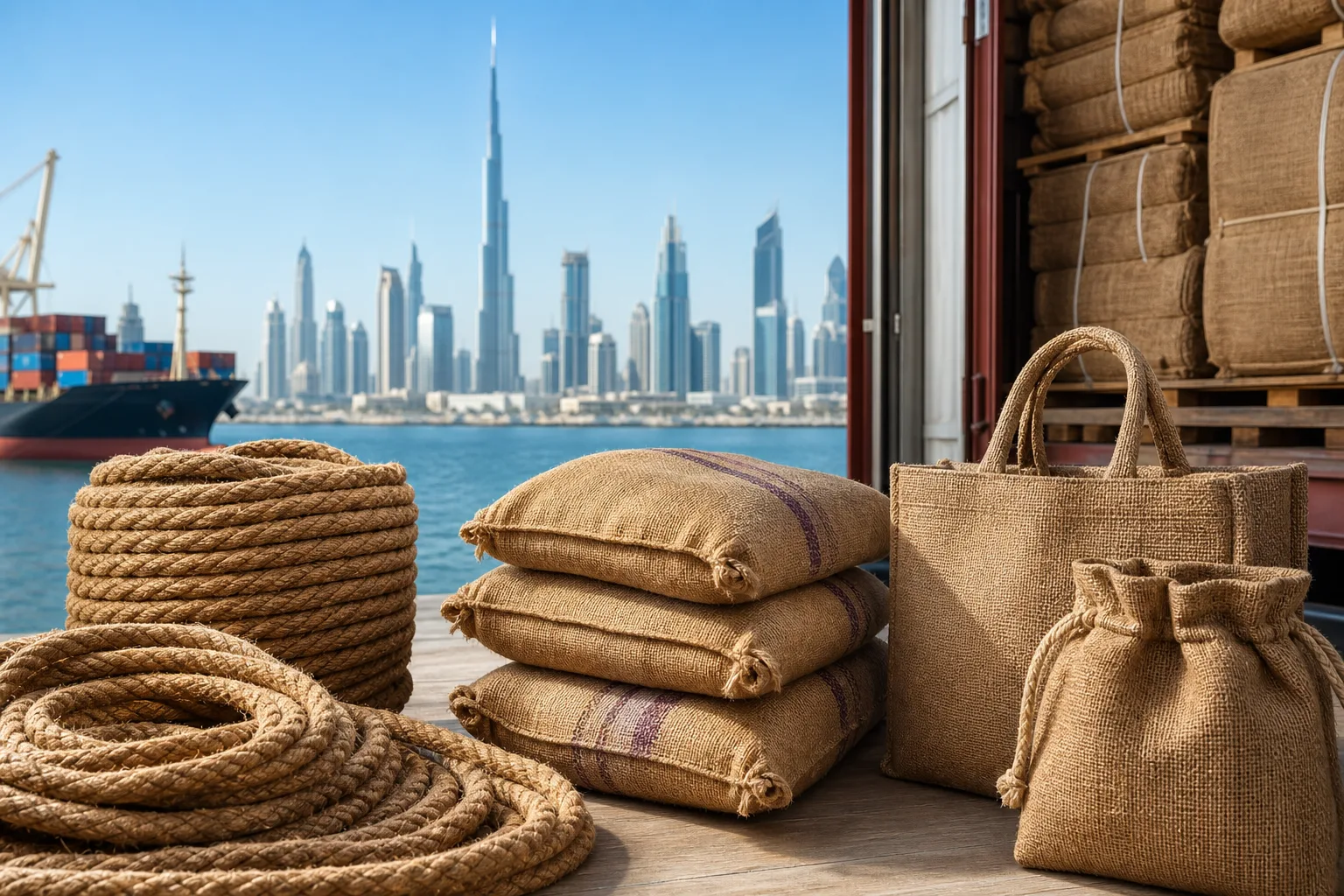
The Ropes, Sacks & Jute Bags Trading License (Activity Code 4752.94) authorises holders to buy, sell, import, export, and re-export natural and synthetic ropes, jute bags, hessian sacks, twine, and related packaging materials. It does not cover manufacturing or processing, which would require a separate industrial license.
Dubai South Free Zone Offers 100% Foreign Ownership
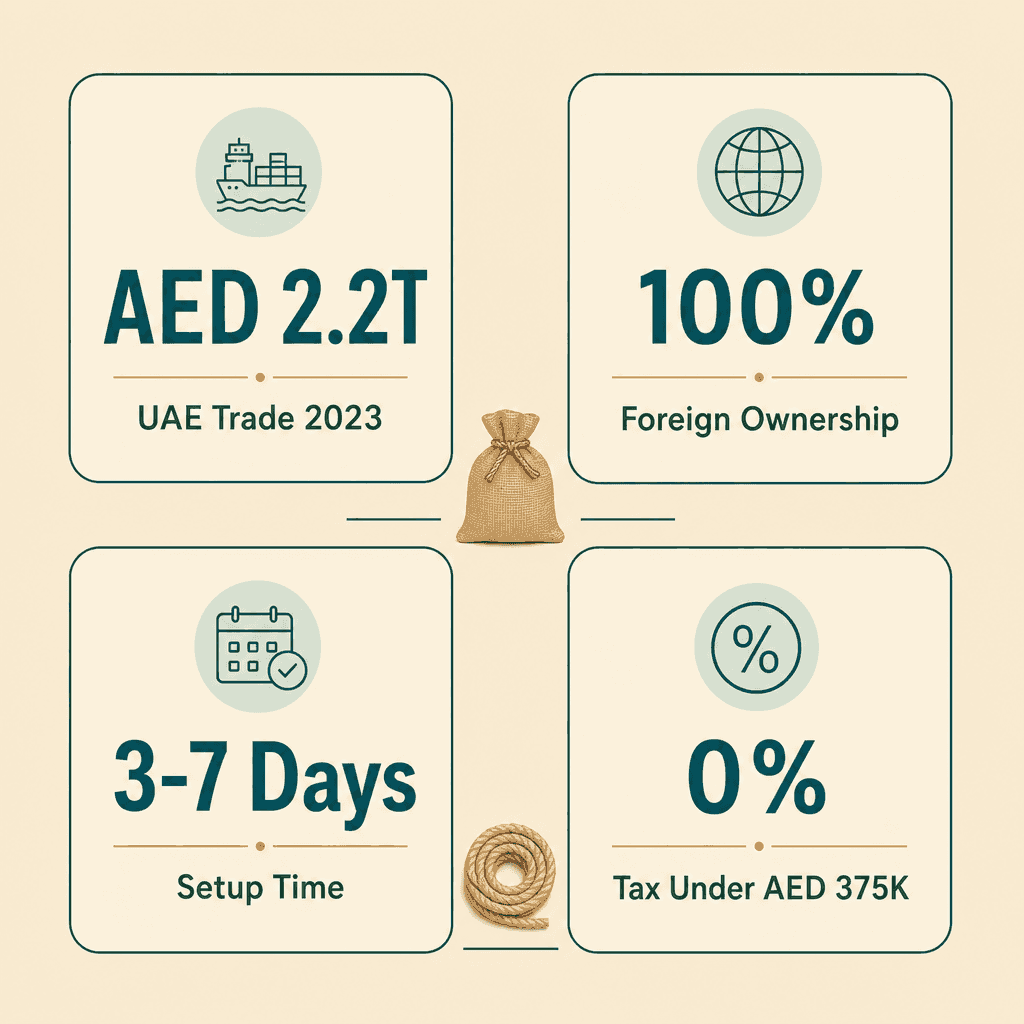
The license is issued through Dubai South Business Hub Free Zone, where foreign entrepreneurs can retain full ownership of their company without a local sponsor. This makes it a highly attractive structure for international traders looking to establish a UAE base.
Setup Can Be Completed in Under a Week
The typical license setup timeline at Dubai South Business Hub Free Zone ranges from just 3 to 7 working days. This streamlined process allows entrepreneurs to move quickly from application to trading operations.
Key Cost Components to Budget For
Setup costs include license registration fees, mandatory office or flexi-desk facility fees, immigration and establishment card fees, visa fees per shareholder or employee, and any notarisation or document attestation costs. The exact total varies based on the office package and number of visas required.
Dubai's Port Infrastructure Drives Sector Demand
Jebel Ali Port ranks among the top ten busiest container ports globally, giving Dubai-based traders exceptional access to suppliers in India and Bangladesh, the world's leading jute producers. This infrastructure supports efficient sourcing and redistribution across the Middle East, Africa, and beyond.
Sustainable Packaging Trends Are Boosting Jute Trade
Growing consumer and corporate preference for biodegradable packaging is increasing demand for jute bags and hessian sacks across retail, agriculture, and logistics sectors. Traders operating in this space are well positioned to benefit from both regulatory pressure on plastics and shifting buyer behaviour.
Favorable Tax Conditions Below AED 375,000 Profit
Businesses operating through Dubai South's free zone structure pay 0% corporate tax on profits below AED 375,000, making it a cost-efficient environment for small and medium-sized trading operations. The UAE's AED 2.2 trillion non-oil foreign trade figure for 2023 underscores the broader commercial opportunity.
Global supply chains depend on packaging and material-handling products that often go unnoticed, yet ropes, sacks, and jute bags are indispensable across agriculture, logistics, construction, and retail. Dubai's strategic position at the crossroads of Asia, Africa, and Europe makes it one of the world's most attractive hubs for trading these goods. If you are looking to establish a legitimate, scalable business in this sector, obtaining a Ropes, Sacks & Jute Bags Trading License under activity code 4752.94 at Dubai South Business Hub Free Zone is a well-structured and commercially sound route to market.
What the License Covers
The Ropes, Sacks & Jute Bags Trading License (Activity Code: 4752.94) is classified under the Trading category and is issued as a Trading License. It authorises the holder to buy, sell, import, export, and re-export a defined range of material-handling and packaging products. Covered goods typically include:
Natural and synthetic ropes (sisal, hemp, polypropylene, nylon)
Hessian and burlap sacks
Jute bags and woven jute products
Twine, cordage, and netting products
Related packaging materials used in agricultural and industrial supply chains
The license does not cover manufacturing or processing activities. Businesses wishing to produce these goods within the UAE would require a separate industrial license.
UAE and Dubai Market Context
The UAE's non-oil foreign trade reached AED 2.2 trillion in 2023, reflecting the country's continued dominance as a re-export and trading hub. Dubai alone accounts for a significant proportion of this trade, with Jebel Ali Port ranking among the top ten busiest container ports globally. The demand for ropes, sacks, and jute bags is driven by several converging factors:
A growing e-commerce and logistics sector requiring bulk packaging solutions
Agricultural imports from South Asia and Africa that arrive in jute and hessian packaging
Construction activity across the GCC requiring rope and cordage products
Increasing consumer preference for sustainable, biodegradable packaging such as jute
India and Bangladesh are the world's leading producers of jute goods, and Dubai's proximity to these markets, combined with its world-class port infrastructure, positions it ideally for sourcing and redistribution across the Middle East, Africa, and beyond.
Key Stats at a Glance
Activity Code: 4752.94
License Type: Trading License
Free Zone: Dubai South Business Hub
Foreign Ownership: Up to 100%
UAE Non-Oil Foreign Trade (2023): AED 2.2 trillion
Typical License Setup Timeline: 3 to 7 working days
Minimum Visa Allocation: Varies by office package
Corporate Tax Rate (below AED 375,000 profit): 0%
Who This License Suits
This license is well suited to a broad range of entrepreneurs and businesses, including:
International traders seeking a UAE base for re-exporting to the GCC, Africa, or South Asia
Packaging distributors supplying supermarkets, agricultural cooperatives, or construction firms
Importers sourcing jute goods from Bangladesh or India for regional redistribution
E-commerce businesses selling eco-friendly packaging products online
Logistics and supply chain companies adding packaging solutions to their portfolio
Setup Costs and Steps
Setting up a trading license at Dubai South Business Hub Free Zone involves a transparent process. Costs vary depending on the office or flexi-desk package selected, the number of visa allocations required, and any additional approvals needed. General cost components include:
License registration and issuance fees
Office or flexi-desk facility fees (mandatory for free zone entities)
Immigration and establishment card fees
Visa fees per shareholder or employee
Notarisation and document attestation costs where applicable
The typical steps to obtain the license are as follows:
Select the business activity (4752.94) and confirm it with the free zone authority
Choose a company name complying with UAE naming conventions
Submit the application along with passport copies and other required documents
Select an office or flexi-desk package
Pay the relevant fees and receive initial approval
Complete visa applications for shareholders and staff
Receive the trading license and commence operations
The entire process can typically be completed within three to seven working days for straightforward applications.
Licensing and Compliance Requirements
To maintain good standing, license holders must adhere to the following requirements:
Annual license renewal with updated documentation
Maintenance of a registered address within the free zone
Compliance with UAE Corporate Tax regulations (9% on taxable profits above AED 375,000)
VAT registration if annual taxable supplies exceed AED 375,000
Adherence to UAE customs and import/export regulations
Keeping accurate financial records in accordance with UAE accounting standards
No special additional regulatory approvals are typically required for trading in ropes, sacks, and jute bags, as these are non-hazardous goods. However, traders importing goods into mainland UAE from the free zone will need to comply with standard customs clearance procedures.
Why Dubai Is Well-Positioned for This Trade
Dubai offers a combination of advantages that few other global trading hubs can match. Its location between the world's largest jute-producing nations and the fast-growing consumer markets of the Middle East, East Africa, and Central Asia creates natural commercial opportunities. Dubai South provides seamless connectivity to over 180 shipping lines and 140 airlines, positioning businesses at the heart of global trade routes. The UAE's extensive network of bilateral trade agreements further reduces barriers to cross-border commerce. Additionally, the absence of personal income tax, a stable currency pegged to the US dollar, and a business-friendly regulatory environment make Dubai a compelling choice for international traders.
Related Activities
Metal Ropes Trading Trading License
Plastic Bags & Containers Trading Trading License
Timber Trading Business
Frequently Asked Questions