Start a Sugar Trading Business in Dubai

Topic Summary
Why Dubai Is Ideal for Sugar Trading
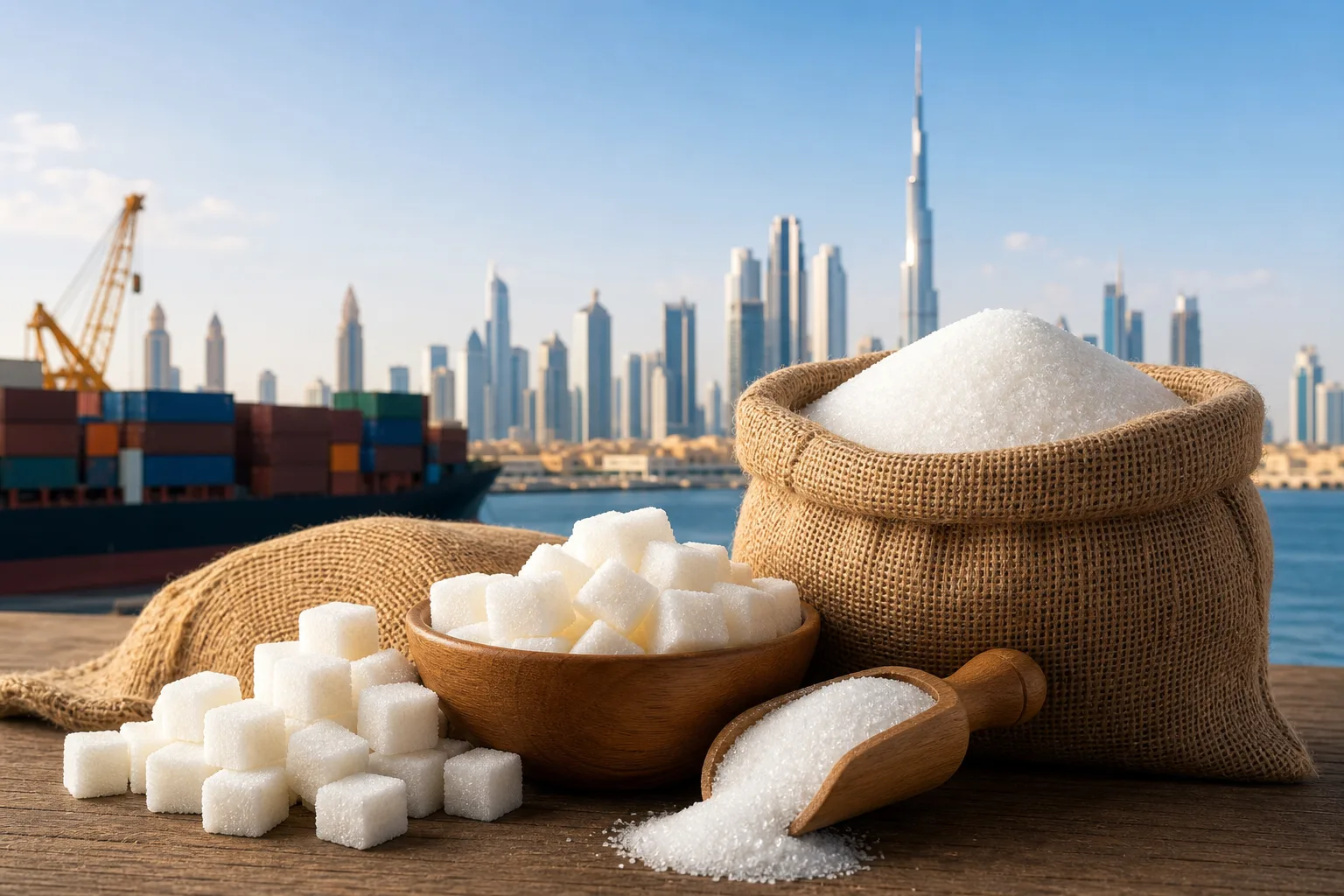
Dubai sits at the intersection of major trade routes connecting the Middle East, Africa, and South Asia, giving traders unmatched market reach. The UAE also imported approximately USD 600 million worth of sugar in a recent year, reflecting strong domestic and re-export demand.
What Activity Code 4721.91 Actually Permits
This code covers the import, export, wholesale, retail, and re-export of raw and refined sugar and sugar confectionery products. It is strictly a trading license, so any processing or manufacturing would require a separate industrial license.
Key Benefits of Dubai South Business Hub Free Zone
Traders registered here enjoy 100 per cent foreign ownership and full repatriation of profits, with no restrictions on moving earnings out of the UAE. Streamlined licensing means a business can typically be set up within three to seven working days.
Competitive Costs Make Entry Accessible
Trading licenses at Dubai South Business Hub Free Zone start from approximately AED 12,500 per year, depending on the package selected. A sole-owner setup with a flexi-desk facility keeps initial investment low for both startups and established businesses.
Who Is Best Suited to This License
The license suits a wide range of operators, from international sugar producers needing a UAE distribution entity to first-time entrepreneurs entering food commodities. Commodity brokers, food importers, and re-export traders targeting GCC, African, or South Asian markets are also strong candidates.
Dubai's Logistics Infrastructure Supercharges Trade
Jebel Ali Port, the largest port in the Middle East, and Al Maktoum International Airport handle millions of tonnes of food commodities annually. This infrastructure gives sugar traders direct, efficient access to global supply chains.
UAE Food Security Strategy Drives Long-Term Demand
The UAE's National Food Security Strategy 2051 has increased government focus on reliable commodity supply chains, creating a supportive environment for licensed sugar traders. This policy backdrop adds long-term stability to an already active trading market.
Global sugar demand continues to rise, and Dubai sits at the crossroads of the world's most active trade lanes. With direct access to markets across the Middle East, Africa, South Asia, and beyond, the emirate offers commodity traders a uniquely powerful base from which to source, store, and redistribute one of the world's most essential food ingredients. If you are considering entering the sugar trade, establishing a company at Dubai South Business Hub Free Zone under activity code 4721.91 gives you a regulated, cost-efficient, and internationally recognised platform to do exactly that.
Why Dubai for Sugar Trading?

The United Arab Emirates imported approximately USD 600 million worth of sugar and sugar confectionery in a recent trading year, reflecting both domestic consumption and the country's role as a re-export hub. Dubai's Al Maktoum International Airport and Jebel Ali Port, the largest port in the Middle East, handle millions of tonnes of food commodities annually, giving sugar traders unmatched logistical reach.
The UAE government's commitment to food security, outlined in its National Food Security Strategy 2051, has further strengthened demand for reliable commodity traders operating within the country. Free zones such as Dubai South Business Hub amplify these advantages by offering streamlined licensing, 100 per cent foreign ownership, and full repatriation of profits.
What Activity Code 4721.91 Covers
Activity code 4721.91 falls under the category of retail sale of sugar, chocolate, and sugar confectionery in specialised stores. Under a Trading License at Dubai South Business Hub Free Zone, this activity permits the holder to trade in sugar and related sweetener products. The license covers:
Import and export of raw and refined sugar
Wholesale and retail distribution of sugar products
Re-export of sugar to regional and international markets
Trading in sugar confectionery and related sweetened goods
It is important to note that the license covers trading activities only. Any processing or manufacturing of sugar would require a separate industrial license and additional regulatory approvals.
Who Should Consider This License?
This license is well suited to a broad range of entrepreneurs and businesses, including:
International sugar producers seeking a UAE distribution entity
Commodity brokers looking to formalise their trading operations in the region
Food importers expanding their product portfolio
Re-export traders targeting African, South Asian, or GCC markets
Entrepreneurs entering the food commodity sector for the first time
Sugar Trading Business: Key Stats
Activity Code: 4721.91
License Type: Trading License
Free Zone: Dubai South Business Hub
Foreign Ownership: 100 per cent permitted
Estimated License Cost: From AED 12,500 per year (subject to package selected)
Typical Setup Timeline: 3 to 7 working days
UAE Sugar Import Value: Approx. USD 600 million annually
Profit Repatriation: 100 per cent allowed
Setup Costs and What to Expect
Setting up a sugar trading company at Dubai South Business Hub Free Zone is straightforward and transparent in terms of costs. Typical expenses include the trading license fee, registration fee, and the cost of a flexi-desk or office space depending on your operational requirements. Visa allocations are tied to the office package chosen, so businesses expecting to employ staff should factor in additional visa and Emirates ID costs.
Overall, a sole-owner setup with a flexi-desk facility can be established for a competitive annual investment, making it accessible for both startups and established businesses expanding into the UAE market.
Step-by-Step Setup Process
Choose your business activity: Confirm that activity code 4721.91 aligns with your intended operations.
Select a company structure: Most free zone entities are established as Free Zone Limited Liability Companies (FZ-LLC) with one or more shareholders.
Submit your application: Provide passport copies, a business plan summary, and completed application forms to Dubai South Business Hub.
Receive initial approval: The free zone authority reviews your application, typically within two to three working days.
Sign your license agreement and pay fees: Once approved, sign the relevant documents and settle the license and registration fees.
Obtain your trading license: Your license is issued, and you can begin trading operations legally.
Open a corporate bank account: Approach UAE-based or international banks operating in the UAE to open a business account.
Apply for visas: Arrange investor and employee visas as required by your business plan.
Licensing and Compliance Requirements
Sugar is classified as a food commodity in the UAE, which means traders must comply with relevant food safety regulations overseen by the UAE Ministry of Climate Change and Environment, as well as municipal food authorities such as Dubai Municipality. Key compliance considerations include:
Ensuring imported sugar meets UAE food safety and labelling standards
Registering as a food business operator where applicable
Maintaining proper documentation for customs clearance at Jebel Ali or other entry points
Adhering to halal certification requirements if trading to markets that require it
The Dubai South Business Hub Free Zone authority will guide license holders through any zone-specific compliance obligations during the onboarding process.
Dubai South Business Hub Free Zone: A Strategic Advantage
Dubai South is home to Al Maktoum International Airport and is directly connected to Jebel Ali Port via a dedicated logistics corridor. This dual-access infrastructure is particularly valuable for sugar traders who need to manage bulk imports, storage, and onward distribution efficiently. The free zone itself offers modern business facilities, a business-friendly regulatory environment, and a growing community of international traders across multiple commodity sectors.
Get Started
Use the cost calculator for a tailored quote.
Verify your business name with the company name check.
Browse the full business activities directory.
Get in touch to start your application.
Frequently Asked Questions