Textiles & Fabrics Waste Trading License in Dubai: Cost and Requirements
Topic Summary
What the Trading License Actually Permits
The Textiles & Fabrics Waste Trading License (Activity Code 4669.8) allows you to buy, sell, import, export, and re-export waste textiles, fabric offcuts, used garments, yarn waste, and mixed textile bales. It does not cover on-site processing or manufacturing, which requires a separate industrial permit.
Dubai South Free Zone Offers Key Business Advantages
Located near Al Maktoum International Airport and Jebel Ali Port, Dubai South Business Hub Free Zone offers 100% foreign ownership, zero corporate and personal income tax, and full repatriation of profits. These benefits make it a highly attractive base for international textile waste traders.
Initial Setup Costs Start Around AED 20,000
A single-shareholder setup with one visa typically costs between AED 20,000 and AED 35,000, covering license registration, office package, visa allocation, and government fees. Businesses needing warehouse space or multiple visas should plan for a higher budget.
Dubai's Trade Position Is a Major Strategic Asset
Dubai handles over 14 million tonnes of cargo annually, sitting between sourcing markets in South and Southeast Asia and offtake markets across Africa and Europe. This connectivity gives textile waste traders unrivalled access to global supply and demand channels.
A Wide Range of Operators Can Qualify
The license suits international waste brokers, recycling companies establishing a UAE trading arm, fashion businesses managing surplus stock, and logistics operators handling cross-border textile flows. Entrepreneurs entering the circular economy sector are also well-positioned to benefit.
Annual Renewal Costs Are Lower Than Setup Fees
Once established, businesses benefit from renewal costs that are generally lower than the initial setup investment, helping to reduce the long-term cost of maintaining a compliant UAE trading presence. This makes the license commercially sustainable for businesses of varying sizes.
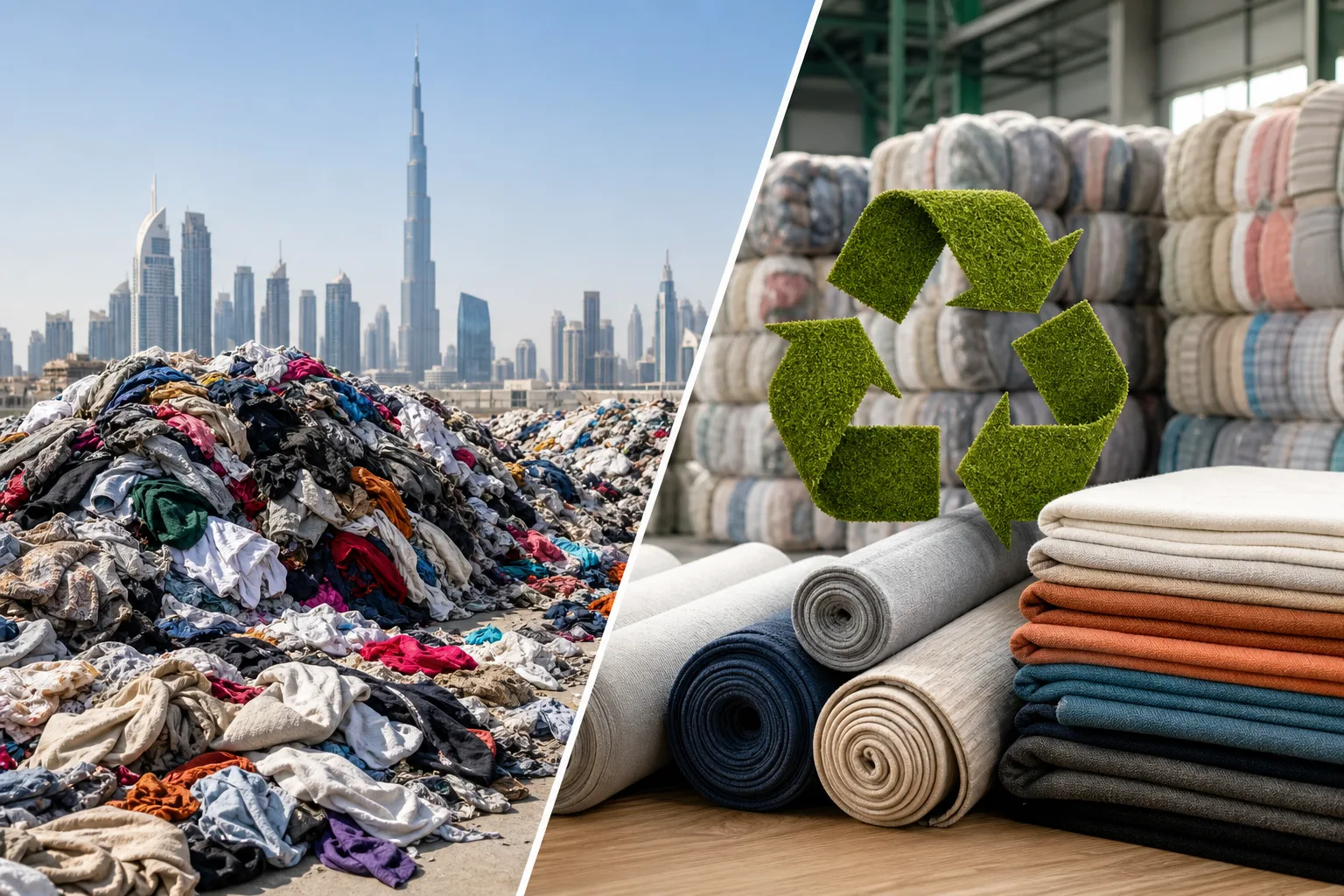
Global demand for recycled and reclaimed textiles is accelerating, driven by tightening sustainability regulations, rising raw material costs, and a growing circular economy movement. Dubai sits at the centre of this shift, offering traders direct access to markets across Asia, Africa, Europe, and the wider Middle East. If you are looking to enter this sector, obtaining a Textiles & Fabrics Waste Trading License in Dubai is one of the most commercially strategic moves you can make in 2024 and beyond.
This guide covers everything you need to know about Activity Code 4669.8, the associated trading license available at Dubai South Business Hub Free Zone, and how to get your business operational quickly and compliantly.
What the License Covers
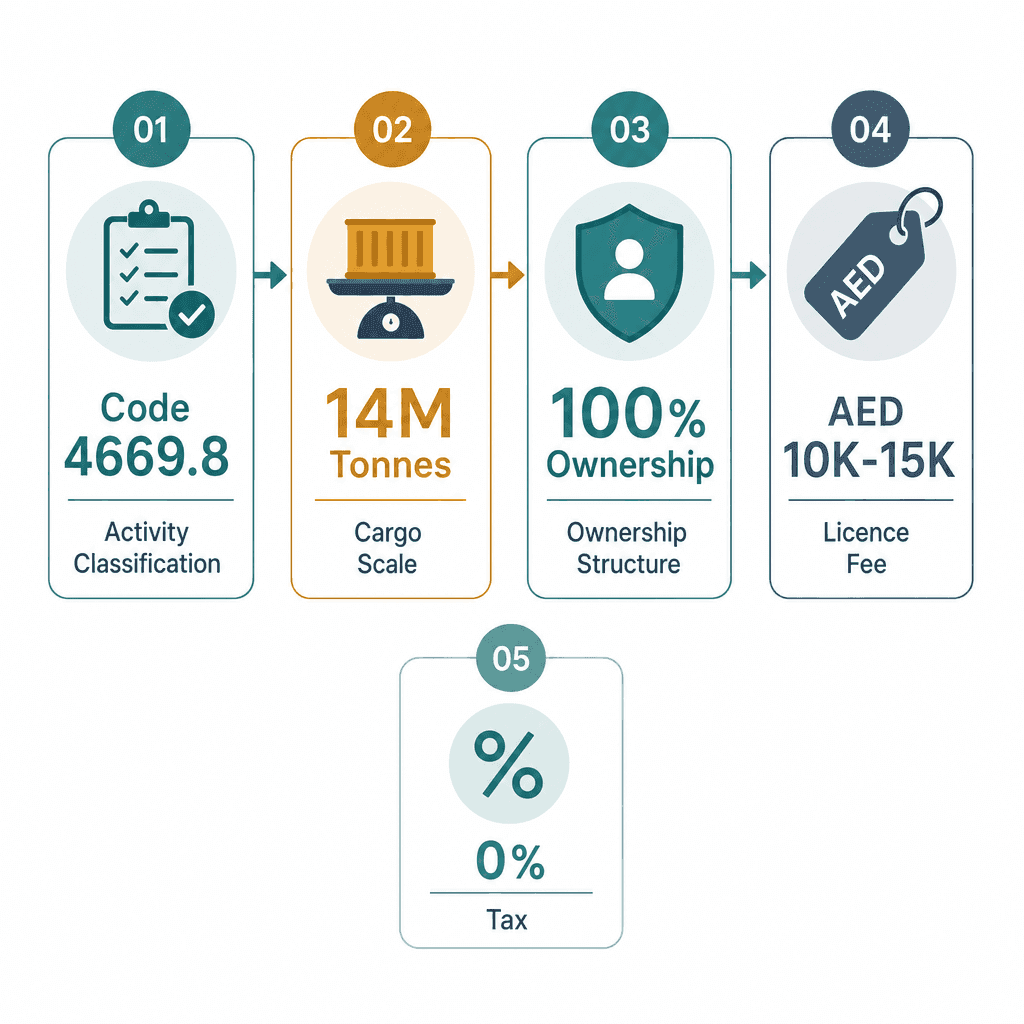
The Textiles & Fabrics Waste Trading License falls under Activity Code 4669.8, classified within the Trading category and issued as a Trading License. This activity is aligned with the International Standard Industrial Classification (ISIC) framework, which categorises it under the wholesale trade of other waste and scrap materials not elsewhere classified.
In practical terms, the license permits you to buy, sell, import, export, and re-export waste textiles and fabric offcuts, including:
Post-industrial fabric remnants and cutting waste
Used garments and clothing destined for reprocessing
Yarn waste and fibre offcuts
Mixed textile bales for sorting and resale
Woven and non-woven fabric scraps
The license does not cover manufacturing or processing activities. If you intend to shred, recycle, or transform textiles on-site, you would require an additional industrial or manufacturing permit.
Who This License Suits
This license is well suited to a broad range of operators, including:
International textile waste brokers seeking a UAE base for regional distribution
Recycling companies looking to establish a trading arm in a tax-efficient jurisdiction
Fashion and apparel businesses managing end-of-life stock and surplus inventory
Logistics operators handling textile waste flows between Asia, Africa, and Europe
Entrepreneurs entering the circular economy and sustainable materials market
Why Dubai and Dubai South Free Zone
Dubai handles more than 14 million tonnes of cargo annually through its ports and logistics corridors, making it one of the world's most connected trade hubs. The emirate's position between East and West gives textile waste traders unrivalled access to sourcing markets in South and Southeast Asia and offtake markets across Africa and Europe.
Dubai South Business Hub Free Zone adds further advantages. Located adjacent to Al Maktoum International Airport and within reach of Jebel Ali Port, it is purpose-built for trade and logistics businesses. Key benefits include:
100% foreign ownership permitted
0% corporate and personal income tax
Full repatriation of profits and capital
Streamlined licensing and visa processing
Access to a large pool of warehousing and logistics infrastructure
Setup Costs and Fees
The cost of setting up a Textiles & Fabrics Waste Trading License at Dubai South Business Hub Free Zone varies depending on the office package, number of visas, and any additional approvals required. Typical cost components include:
Cost Component | Estimated Range (AED) |
|---|---|
License registration fee | 10,000 to 15,000 |
Flexi-desk or virtual office package | 5,000 to 12,000 per year |
Visa allocation (per visa) | 3,000 to 5,000 |
Government and administrative fees | 2,000 to 4,000 |
Medical and Emirates ID (per person) | 1,500 to 2,500 |
Total initial investment for a single-shareholder setup with one visa typically falls in the range of AED 20,000 to AED 35,000. Businesses requiring warehouse space or multiple visas should budget accordingly. Annual renewal costs are generally lower than initial setup fees.
Infographic: Textiles & Fabrics Waste Trading in Dubai
Activity Code: 4669.8
License Type: Trading License
Free Zone: Dubai South Business Hub
Foreign Ownership: 100% permitted
Corporate Tax Rate: 0% (within free zone qualifying income)
Typical Setup Cost: AED 20,000 to AED 35,000
License Processing Time: 5 to 10 working days
Global Textile Waste Generated Annually: Over 92 million tonnes
Licensing and Compliance Requirements
To obtain this license, applicants must submit a standard set of documents and meet the free zone's compliance criteria. Required documentation typically includes:
Completed application form from Dubai South Business Hub
Passport copies of all shareholders and directors
Proof of residential address for shareholders
Business plan or activity description
No Objection Certificate (NOC) if the applicant is a UAE resident employed elsewhere
Depending on the volume and nature of the textiles being traded, operators may also need to comply with relevant UAE environmental and waste management regulations. The UAE's Federal Law No. 12 of 2018 on Integrated Waste Management sets the overarching framework for waste-related commercial activities, and traders should ensure their operations align with its provisions. Where goods are being imported or exported, customs registration with the Federal Customs Authority will also be required.
Step 1: Choose Your Business Structure
Most applicants opt for a Free Zone Limited Liability Company (FZ-LLC) with a single shareholder or multiple shareholders. This structure limits personal liability and is straightforward to establish.
Step 2: Reserve Your Trade Name
Submit your preferred company name to Dubai South Business Hub for approval. Names must comply with UAE naming conventions and must not conflict with existing registrations.
Step 3: Submit Your Application
Provide all required documents along with the completed application. The free zone authority will review and process your submission, typically within five to ten working days.
Step 4: Pay Fees and Receive License
Once approved, pay the applicable fees and receive your trading license. You can then open a corporate bank account and begin operations.
Step 5: Apply for Visas and Customs Registration
Apply for residency visas for yourself and any staff. Register with UAE Customs if you intend to import or export goods directly.
Related Activities
Waste Paper Trading Trading License
Scrap & Metal Waste Trading Trading License
Trading of Waste Plastic Trading License
Frequently Asked Questions