Apply for a Threads & Yarns Trading License in Dubai
Topic Summary
What the Trading License Actually Covers
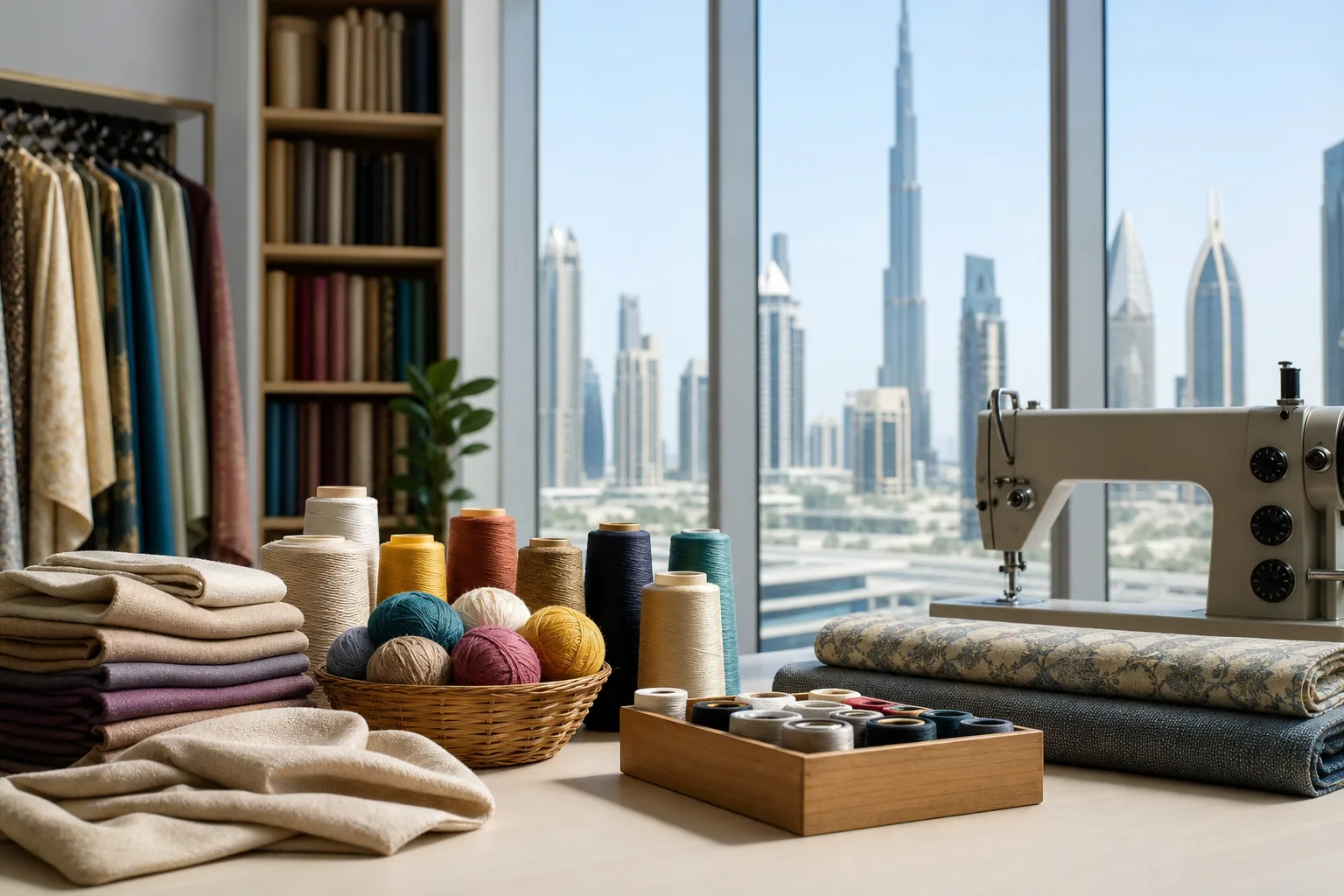
The threads and yarns trading license (activity code 4751.99) permits buying, selling, importing, exporting, and distributing threads, yarns, and related textile raw materials. It covers both natural fibres like cotton, wool, and silk, as well as synthetic and blended yarns used in garment and industrial textile production.
Dubai's Strategic Position in Global Textiles
Dubai sits at the crossroads of Asia, Europe, and Africa, placing over two billion consumers within a four-hour flight. This geographic advantage, combined with Jebel Ali Port and Al Maktoum International Airport, makes it a top-ranked global re-export hub for textiles and garments.
Who Benefits Most From This License
The license suits international yarn wholesalers, textile importers and exporters, first-time entrepreneurs in raw materials trade, and sourcing agents serving garment manufacturers. Existing textile businesses can also use it to separate their trading arm into a dedicated free zone entity.
Key Financial and Ownership Advantages
License holders benefit from 100% foreign ownership and no personal income tax or corporate tax on qualifying free zone income. The UAE's trade agreements also provide access to over 190 countries, significantly expanding market reach.
Strong Regional Demand Drives Opportunity
Garment manufacturers across the GCC, East Africa, and the Indian subcontinent rely heavily on Dubai-based traders as their preferred sourcing channel for quality yarns and threads. This consistent regional demand underpins a stable commercial environment for new entrants.
Setup Is Fast and Relatively Straightforward
A threads and yarns trading company at Dubai South Business Hub Free Zone can typically be established within three to seven working days. The process involves selecting a company name, submitting documents including passport copies, and choosing between a physical office or flexi-desk arrangement.
License Is Strictly for Trading, Not Manufacturing
It is important to note that this license covers trading operations only, meaning sourcing and distributing products rather than processing or producing them. Businesses requiring manufacturing activities would need a different license category.
The global textile industry continues to grow at a steady pace, and the UAE sits at the centre of one of the world's most active trade corridors. Dubai alone handles billions of dollars in textile and apparel imports and re-exports each year, making it a natural base for businesses dealing in threads, yarns, and related raw materials. If you are looking to establish a threads and yarns trading operation, securing a dedicated trading license at Dubai South Business Hub Free Zone is one of the most direct routes to market.
This guide covers everything you need to know about the threads and yarns trading license under activity code 4751.99, including what the license covers, who it suits, setup costs, compliance requirements, and why Dubai remains one of the best locations in the world for this type of trade.
What the Threads & Yarns Trading License Covers
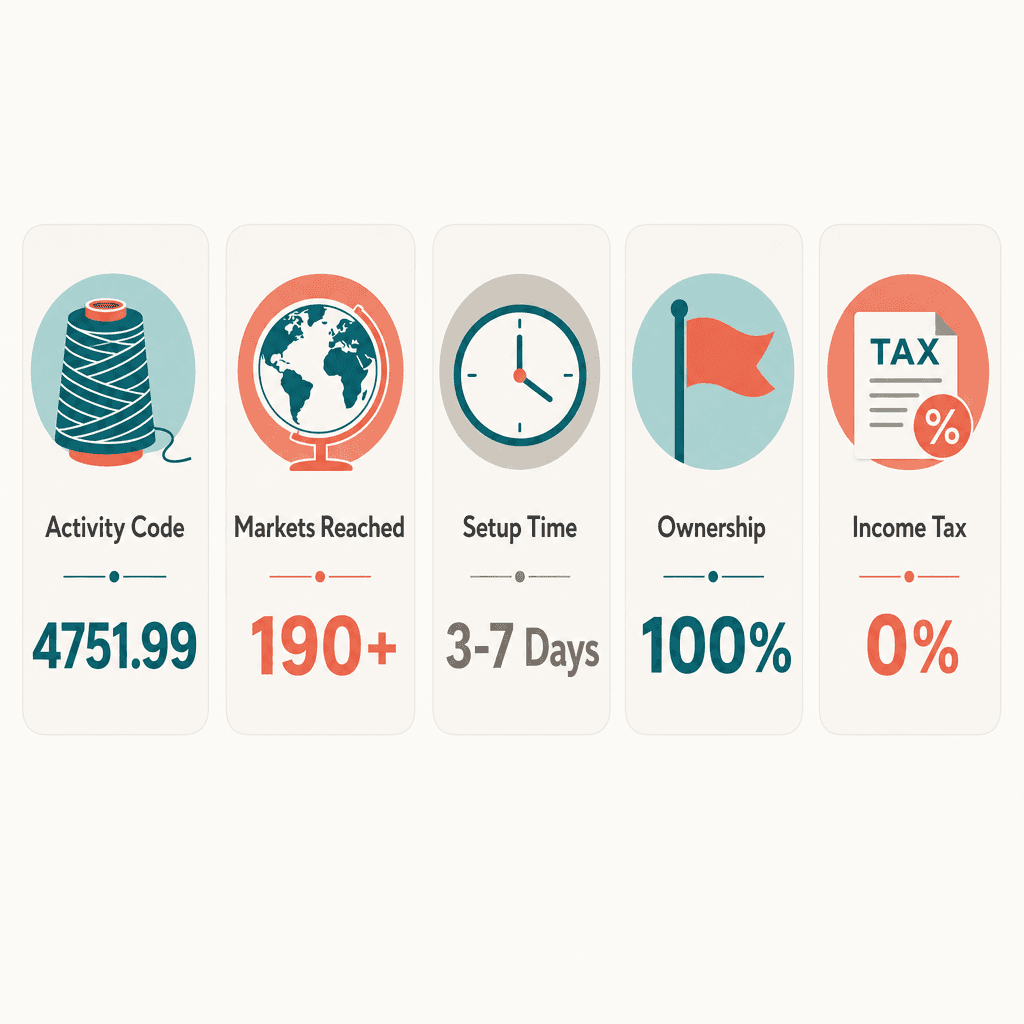
The threads and yarns trading license falls under the Trading category and is classified under ISIC activity code 4751.99. It permits the holder to buy, sell, import, export, and distribute threads, yarns, and closely related textile raw materials. This includes natural fibre yarns such as cotton, wool, and silk, as well as synthetic and blended yarns used in garment manufacturing, weaving, knitting, and industrial textile production.
The license does not cover manufacturing or processing activities. It is specifically designed for trading operations, meaning businesses that source products from suppliers and distribute them to manufacturers, retailers, or other traders.
Who This License Suits
This license is well suited to a range of business profiles, including:
International yarn and thread wholesalers looking to establish a regional distribution hub
Textile importers and exporters serving markets across the GCC, Africa, and South Asia
Entrepreneurs entering the textile raw materials trade for the first time
Existing textile businesses seeking to separate their trading arm into a dedicated free zone entity
Sourcing agents and trading companies serving garment manufacturers in emerging markets
Dubai and the UAE Textile Market: Key Context
The UAE is consistently ranked among the top global re-export hubs for textiles and garments. Dubai's strategic location between Asia, Europe, and Africa means goods can reach over two billion consumers within a four-hour flight. The emirate's world-class logistics infrastructure, including Jebel Ali Port and Al Maktoum International Airport, supports fast and cost-effective movement of goods.
The UAE textile and apparel market has been valued at several billion US dollars, with significant volumes passing through Dubai as a transit and re-export point. Demand for quality yarns and threads is driven by garment manufacturers across the GCC, as well as buyers in East Africa and the Indian subcontinent who rely on Dubai-based traders as their preferred sourcing channel.
Key Stats at a Glance
Activity Code: 4751.99
License Type: Trading License
Category: Trading
Free Zone: Dubai South Business Hub
Foreign Ownership: 100% permitted
Typical Setup Timeline: 3 to 7 working days
No personal income tax or corporate tax on qualifying free zone income
Access to over 190 countries via UAE trade agreements
Setup Costs and Steps
Setting up a threads and yarns trading company at Dubai South Business Hub Free Zone involves a straightforward process. Costs vary depending on the package selected, the number of visas required, and whether you need a physical office or a flexi-desk arrangement. Generally, license fees, registration costs, and establishment card fees are the primary components of the initial investment.
The typical steps involved are:
Choose your business activity and confirm it aligns with code 4751.99
Select a company name and check availability
Submit your application along with required documents, including passport copies and a business plan if requested
Choose your office or flexi-desk package
Pay the applicable license and registration fees
Receive your trading license and proceed with visa applications if needed
The entire process can typically be completed within three to seven working days, making Dubai South one of the faster free zones for new company formation.
Licensing and Compliance Requirements
License holders must renew their trading license annually. Businesses importing or exporting goods must comply with UAE Customs regulations and maintain accurate records of all transactions. Depending on the nature of the goods, certain product certifications or conformity requirements may apply when selling into specific markets.
Free zone companies trading with the UAE mainland must do so through a licensed distributor or by obtaining a separate mainland license. All businesses operating in the UAE are subject to VAT registration requirements once they meet the mandatory turnover threshold, currently set at AED 375,000 per annum.
Why Dubai South Business Hub Free Zone
Dubai South is positioned adjacent to Al Maktoum International Airport and the Expo City district, giving businesses direct access to one of the region's fastest-growing logistics and commercial zones. The free zone offers 100% foreign ownership, zero personal income tax, full repatriation of profits and capital, and a straightforward regulatory environment that is well understood by international investors.
For threads and yarns traders, proximity to air and sea freight connections is particularly valuable. The ability to move goods quickly and cost-effectively between Asia, the Middle East, and Africa is a core competitive advantage that Dubai South helps to unlock.
Related Activities
Tents, Sheds & Tarpaulins Trading Trading License
Frequently Asked Questions