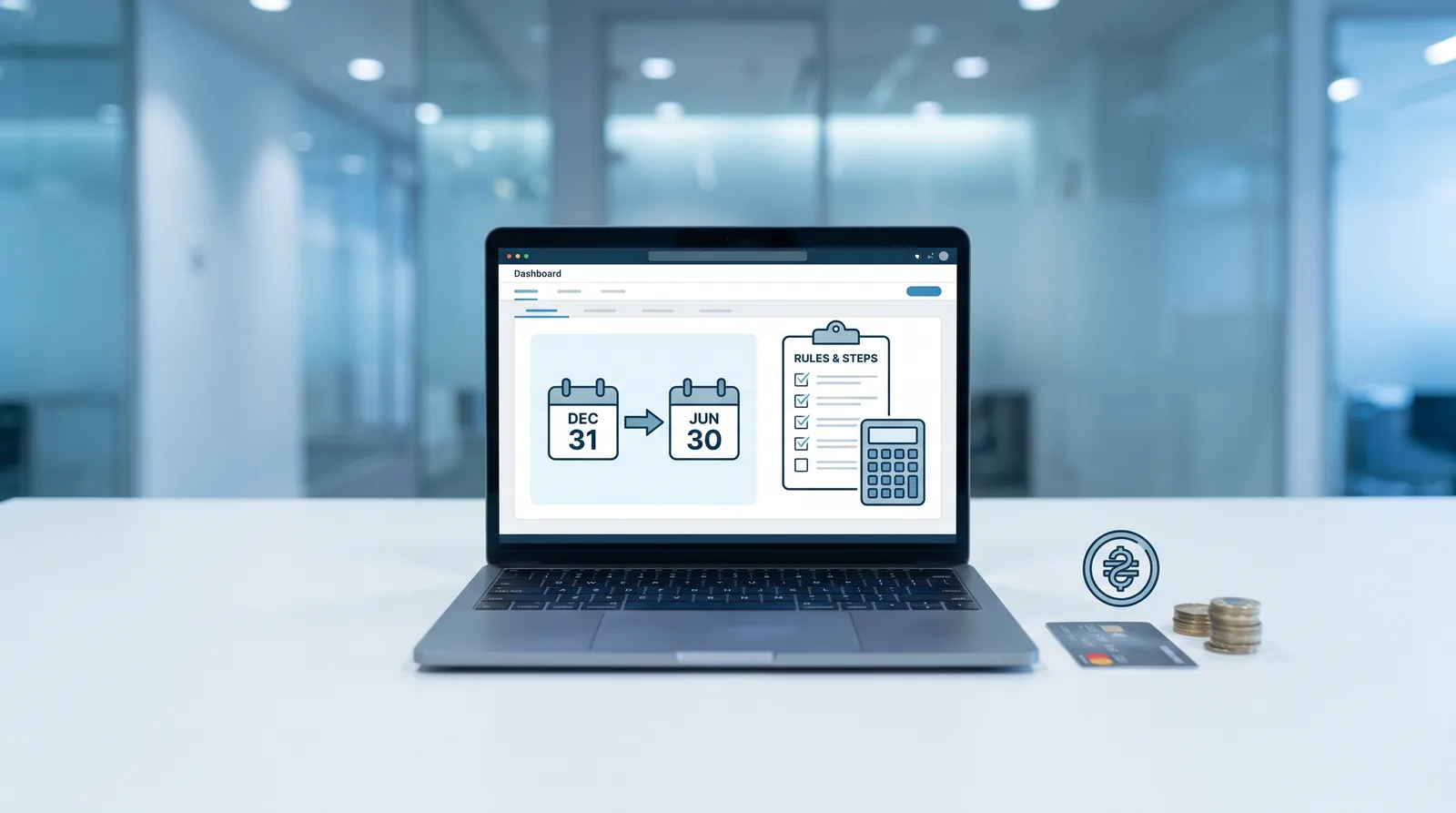
Topic Summary
What Issuing Shares in a UAE Free Zone Company Actually Means
Issuing new shares in a UAE free zone company means formally creating and allocating additional equity units in a registered free zone entity, amending the Articles of Association, updating the share register, and notifying the relevant free zone authority. The process transfers
Requirements for Issuing New Shares in a UAE Free Zone
To meet issuing shares UAE requirements, you need a valid board or shareholder resolution approving the new issuance, amended Articles of Association reflecting the updated capital and ownership split, a revised share register, passport copies and proof of address for any incomin
How to Issue New Shares in a UAE Free Zone: Step-by-Step
Issuing shares free UAE involves six steps: pass and document a shareholder resolution, draft amended Articles of Association, update the share register, submit the amendment application to the free zone authority with supporting documents, pay the amendment fee, and collect the
Cost of Issuing New Shares in a UAE Free Zone
The cost of issuing new shares in a UAE free zone typically includes a free zone amendment fee, document notarisation or attestation charges, and legal drafting fees if you use an external adviser. These are separate from your original license cost. Exact amendment fees vary by a
Tax and Regulatory Implications of Issuing Shares Free UAE
Issuing new shares in a UAE free zone does not itself create a tax event, but changes in ownership can affect your company's Qualifying Free Zone Person (QFZP) status under UAE corporate tax rules. If the restructured entity no longer meets all four QFZP conditions, the 9 percent
Roughly 45 percent of UAE free zone founders who bring in a co-investor or raise equity in year two discover their Articles of Association aren't drafted to accommodate the change, stalling the deal for weeks while the free zone authority requests amended documents, a new share register, and a board resolution (Ministry of Economy, 2024). Issuing shares free UAE is not a complex procedure, but it follows a precise sequence that most founders encounter only once. Miss a step and the authority will send the file back. Get it right and the process typically wraps up in 3 to 10 business days.
This guide covers the requirements, the costs, and the exact steps for issuing new shares in a UAE free zone company, so you can complete the process without costly delays or document rejections.
What Issuing Shares in a UAE Free Zone Company Actually Means
Issuing new shares in a UAE free zone company means formally creating and allocating additional equity units in a registered free zone entity, amending the Articles of Association, updating the share register, and notifying the relevant free zone authority. The process transfers or dilutes ownership and must be recorded with the authority before it has legal effect.
How Free Zone Share Structures Work
Free zone companies are typically incorporated as Free Zone Limited Liability Companies (FZ-LLC) or Free Zone Establishments (FZE). The number of shareholders determines which structure applies. FZ-LLCs can have 2 to 50 shareholders in most UAE free zones (u.ae, 2024). FZEs are single-shareholder entities, so adding a second shareholder converts the entity to an FZ-LLC automatically.
Shares represent proportional ownership and voting rights. Issuing new shares dilutes existing holders unless pre-emption rights are waived in writing. The share register is a mandatory document in every free zone company and must be updated every time shares change hands or new shares are created. The free zone authority's approval is required before any amendment has legal effect.
Consider a practical example: a two-founder FZ-LLC with a 50/50 split wants to bring in a third investor at 20 percent. The existing shares must be restructured so the new total reflects updated ownership without contradicting the original authorised capital ceiling in the Articles.
When a New Share Issuance Is Required
Several events trigger a formal share issuance. A side agreement or MOU is never sufficient on its own:
Bringing in a new investor or co-founder at any ownership percentage
Raising equity capital from an external party
Restructuring ownership percentages between existing shareholders
Converting an FZE to an FZ-LLC by adding a second shareholder
Most free zones require the amendment application within 30 days of the board resolution approving the new issuance. Unapproved share changes can invalidate the license entirely. A Dubai South free zone founder receiving a seed investment of AED 200,000 from a silent partner must issue shares reflecting that partner's agreed stake before the bank will accept the investor as a beneficial owner on the account.
Requirements for Issuing New Shares in a UAE Free Zone
To meet issuing shares UAE requirements, you need a valid board or shareholder resolution approving the new issuance, amended Articles of Association reflecting the updated capital and ownership split, a revised share register, passport copies and proof of address for any incoming shareholder, and a completed amendment application submitted to your free zone authority.
Document Checklist Before You Apply
Gather these documents before submitting anything to the authority:
Board or shareholder resolution: Signed by all existing shareholders; must state the number of new shares, the price per share, the identity of the incoming shareholder, and the effective date.
Amended Articles of Association: Must reflect the new total authorised capital, the revised share distribution, and any changes to shareholder rights.
Updated share register: Lists every shareholder by name, nationality, share count, and percentage.
Passport copy and proof of address: Most free zones require copies certified within the last three months for each incoming shareholder.
No-objection letter or corporate approval: Required if the incoming shareholder is a corporate entity rather than an individual.
If the incoming shareholder is a foreign holding company, the free zone will typically require an attested certificate of incorporation, a board resolution from that company authorising the investment, and a certified copy of its own shareholder register. Document attestation for foreign corporate shareholders can add 5 to 10 business days to the overall timeline.
Capital and Valuation Rules That Apply
UAE free zones don't impose a statutory minimum capital for most FZ-LLCs, but the share value stated in the Articles of Association must be consistent with the new issuance price. Shares must be issued at par value or above; issuing below par value is not permitted under standard free zone regulations.
The authorised capital ceiling in the Articles must be sufficient to absorb the new shares. If it isn't, the authorised capital must be increased first, which is typically a separate line item in the amendment fee schedule. A free zone company with AED 50,000 authorised capital split into 50 shares at AED 1,000 each cannot issue 20 new shares to a third investor without first increasing the authorised capital to at least AED 70,000 and amending the Articles accordingly.
You can explore the full range of business activities in Dubai to confirm whether your activity classification affects how the new share structure should be documented before filing.
How to Issue New Shares in a UAE Free Zone: Step-by-Step
Issuing shares free UAE involves six steps: pass and document a shareholder resolution, draft amended Articles of Association, update the share register, submit the amendment application to the free zone authority with supporting documents, pay the amendment fee, and collect the updated license and corporate documents once approved.
Step 1: Pass a Shareholder Resolution
All existing shareholders must sign a resolution approving the new share issuance. A simple majority is standard unless the Articles of Association require unanimity. The resolution must state the total number of new shares being issued, the price per share, the identity of the incoming shareholder, and the effective date. Some free zones require the resolution to be notarised before submission.
A two-shareholder FZ-LLC admitting a third party at 25 percent should clearly state both the pre-amendment cap table and the post-amendment cap table in the same document to avoid ambiguity during the authority's review. If the company is an FZE with a single shareholder, the resolution takes the form of a unilateral owner's declaration rather than a multi-party vote.
Step 2: Amend the Articles of Association and Share Register
A legal professional or your free zone authority's in-house team drafts the amended Articles of Association incorporating the new capital structure and shareholder details. The share register is updated to show the new shareholder's name, shares held, percentage of total capital, and the date of issuance. Both documents must be signed by all shareholders and, in most free zones, witnessed or notarised before submission.
At Dubai South Business Hub, the Articles of Association and share register are included in every license package from the start. Existing clients already have the correct base templates to amend rather than drafting from scratch, which cuts the time and cost at this step considerably. Retain the previous version of both documents; the authority may request a redline comparison to confirm only the approved changes were made.
UAE Free Zone License Packages: What Is Included
Package | Price | Inclusions |
|---|---|---|
0 Visa Package | AED 12,500 | Trade license, Articles of Association, share register, flexi-desk space, lease agreement |
1 Visa Package | AED 16,350 | All above, plus visa allocation (investor or partner visa) and establishment card |
2 Visa Package | AED 18,200 | All above, plus two visa allocations and establishment card |
Visa Processing | Quoted separately | Entry permit, status change, medical, Emirates ID, and stamping, invoiced separately for all packages |
License Issuance | 1 business day | Maximum 2 visa allocations across all packages |
Step 3: Submit, Pay, and Collect
Submit the amendment application through the free zone authority's portal or service centre, attaching the resolution, amended Articles, updated share register, and shareholder ID documents. Pay the amendment processing fee, which is separate from the original license cost and varies by free zone. The authority reviews the application, may request clarifications, and issues an approval letter together with updated corporate documents. Free zone approval timelines typically range from 3 to 10 business days depending on document completeness.
Once approved, update your bank's know-your-customer (KYC) file immediately. A founder who completes the share issuance but delays updating the bank's KYC file may find the new investor cannot be added as an authorised signatory, creating an operational bottleneck during a fundraising round. Most UAE banks require the new share register and amended Articles before reflecting ownership changes in the account mandate.
Use the business setup cost calculator to estimate your package and amendment costs before you start the process.
Cost of Issuing New Shares in a UAE Free Zone
The cost of issuing new shares in a UAE free zone typically includes a free zone amendment fee, document notarisation or attestation charges, and legal drafting fees if you use an external adviser. These are separate from your original license cost. Exact amendment fees vary by authority and are not bundled into standard license packages. This issuing shares UAE guide breaks down what you'll pay and what your existing package already covers.
What Your License Package Already Covers
Every Dubai South Business Hub license package includes the trade license, Articles of Association, share register, flexi-desk space, and lease agreement from day one. The 0 Visa Package is priced at AED 12,500; the 1 Visa Package at AED 16,350; and the 2 Visa Package at AED 18,200. The 1 and 2 Visa packages add the visa allocation (investor or partner visa) and the establishment card. Visa processing, covering the entry permit, status change, medical, Emirates ID, and stamping, is always quoted and invoiced separately.
Because the Articles of Association and share register are already part of every package, clients amending these documents for a share issuance start with the correct templates. A founder on the 2 Visa Package who brings in a new shareholder pays the free zone amendment fee but doesn't need to commission a new Articles of Association from scratch, the original is already on file. The license is issued in 1 day, and a maximum of 2 visa allocations is available across the package range.
Additional Costs to Budget For
Free zone amendment fee: Charged by the authority for processing any change to the corporate register; paid directly to the authority. UNVERIFIED: <free zone amendment fee range>. Confirm before publishing.
Notarisation or attestation: Required for foreign corporate shareholders; costs depend on the country of origin and the UAE notary's schedule of fees.
Legal adviser fees: Optional but recommended when the incoming shareholder is a corporate entity or when the share structure is complex.
Bank KYC update: Banks don't charge for updating ownership records, but delays in submitting updated documents can freeze account access.
If the incoming shareholder is a British holding company, the Certificate of Incorporation must be apostilled in the UK and then attested by the UAE embassy before the free zone will accept it. This process typically adds AED 800 to AED 2,500 in third-party fees. Worth factoring into your timeline too: corporate tax late registration penalties are AED 10,000, and VAT late registration penalties are also AED 10,000 (Federal Tax Authority, 2024). Staying on top of filings after a share issuance protects you from both.
For a broader view of banking and taxation in UAE, including what changes after an ownership amendment, the Dubai South Business Hub resource covers the key obligations.
Tax and Regulatory Implications of Issuing Shares Free UAE
Issuing new shares in a UAE free zone does not itself create a tax event, but changes in ownership can affect your company's Qualifying Free Zone Person (QFZP) status under UAE corporate tax rules. If the restructured entity no longer meets all four QFZP conditions, the 9 percent standard rate applies to all taxable income, not just non-qualifying income.
Corporate Tax and the QFZP Conditions
A free zone company qualifies for the 0 percent corporate tax rate on qualifying income only when it satisfies all four QFZP conditions: (1) it must be a free zone person, (2) it must derive qualifying income, (3) it must not have elected to apply the standard tax regime, and (4) it must maintain adequate substance in the UAE. Bringing in a new shareholder doesn't automatically disqualify the company, but changes to the nature of activities or income streams triggered by the new ownership structure may affect compliance.
If the new shareholder is a mainland entity and transactions between the two begin generating non-qualifying income, that income is taxed at 9 percent. A free zone technology company that issues shares to a mainland real estate investor and then begins earning income from UAE-sourced real estate advisory work will need to reassess whether that income stream qualifies under the QFZP framework. Register any material structural change with the Federal Tax Authority and review your qualifying income calculation after every ownership amendment (2024).
Updating Beneficial Ownership Records
UAE law requires all companies to maintain an accurate beneficial ownership register. Beneficial ownership registers are mandatory under UAE Cabinet Resolution No. 58 of 2020 (UAE Cabinet, 2020). Any change in shareholding must be reflected within the statutory deadline set by the relevant authority.
The free zone authority, the Ministry of Economy, and your bank all require consistent ownership information. Mismatches between these records create audit risk and can complicate future banking relationships. A founder who completes a share issuance but updates only the free zone register, without filing the corresponding beneficial ownership change with the Ministry of Economy, may face a compliance notice at the next annual renewal (Ministry of Economy, 2024). Submit the updated beneficial ownership
References
Frequently Asked Questions