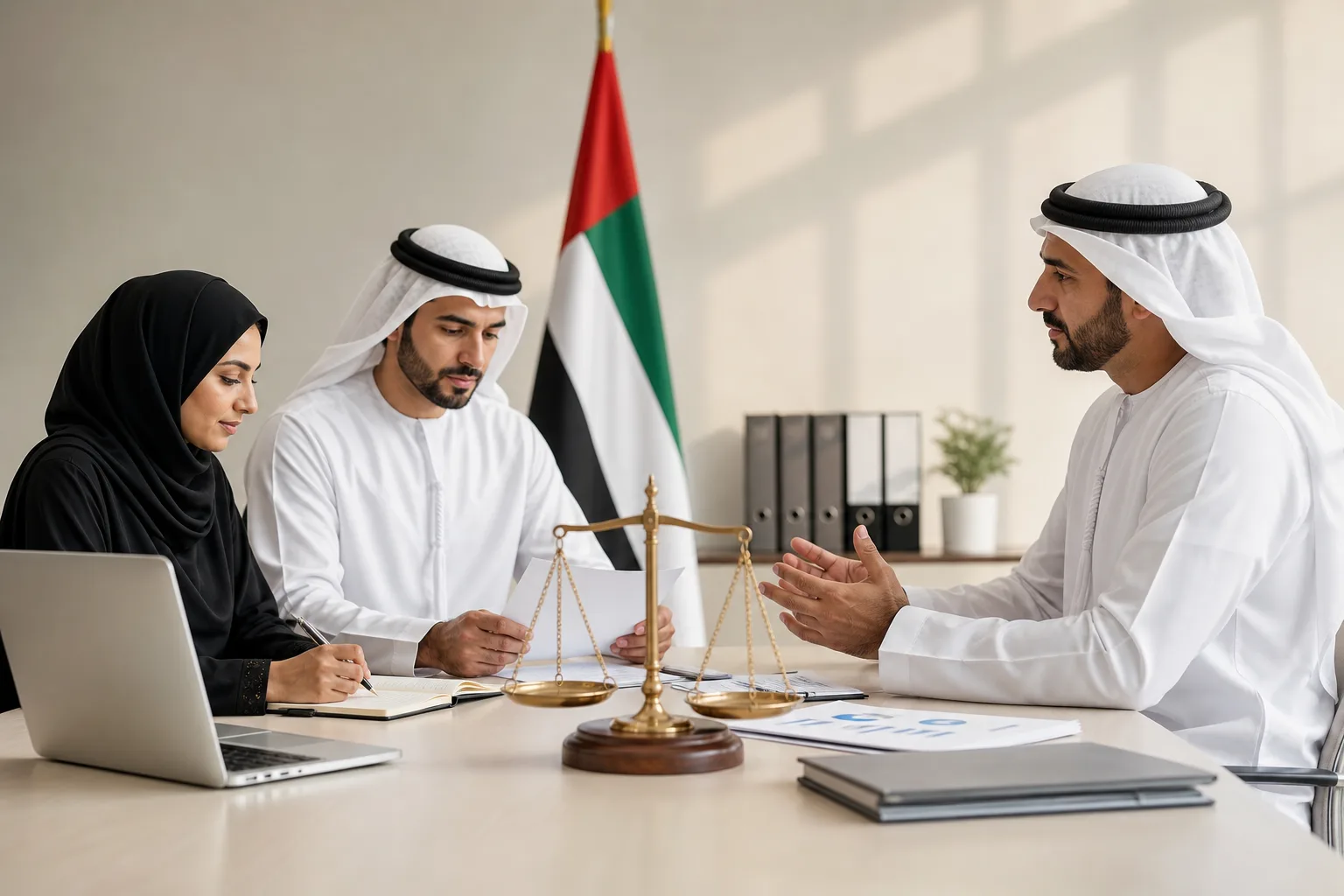
Topic Summary
UAE Media Council: The Federal Licensing Authority
Formed in 2021 by merging two federal bodies, the UAE Media Council issues licenses valid across all seven emirates for print, TV, radio, digital, and advertising content. A single federal license from this body saves businesses the time and cost of separate emirate-level approvals.
Dubai Media Regulatory Office Adds a Local Layer
The Dubai Media Regulatory Office operates under the Dubai Government and issues its own broadcast and publishing permits for Dubai-specific operations. Businesses inside Dubai's media free zones must comply with both DMRO rules and UAE Media Council standards simultaneously.
Unlicensed Media Activity Carries Heavy Fines
Operating without a valid media license can result in fines reaching AED 500,000 under UAE law. Advertisers face joint liability if the agency they hire holds no valid license, making due diligence on your partners essential.
Social Media Accounts Are Treated as Media Outlets
Any commercial use of social media in the UAE, including sponsored Instagram posts, is legally classified as media activity requiring a license. A marketing agency charging clients for branded content must hold a valid media license before that work can legally begin.
Federal Decree-Law No. 34 of 2021 Sets the Legal Foundation
All media content rules in the UAE rest on Federal Decree-Law No. 34 of 2021, which defines content standards and enforcement powers. Regulatory offices use this law to investigate complaints, suspend accounts, and revoke licenses for rule breaches.
Missing a License Blocks Government Contract Bids
Businesses without the correct media license are routinely disqualified from government and enterprise contract bids that involve any media or content activity. Securing the right approval early protects both revenue opportunities and business reputation.
UAE's Media Market Demands Compliance at Scale
The UAE media and content market is valued at over USD 4.5 billion in 2026 and grows at roughly 9% annually, supported by the world's highest social media penetration rate of 99%. The scale of the market makes regulatory compliance not just a legal obligation but a competitive necessity.
In 2026, the UAE media and content market is worth over USD 4.5 billion and grows at roughly 9% a year (Statista, 2026). The UAE has 99% social media penetration, the highest rate in the world (Statista, 2025). Fines for unlicensed media activity reach AED 500,000 under UAE law. The UAE Media Council was formed in 2021 by merging 2 federal bodies. Federal Decree-Law No. 34 of 2021 sets the legal base for all media content rules. Every business that runs ads, posts branded content, or puts out a publication needs to deal with at least one media regulatory office in the UAE.
This guide explains how media regulatory offices in the UAE work, which bodies oversee your type of content, what a media license costs, and what you must do to stay on the right side of the rules.
What Are Media Regulatory Offices in the UAE and Why They Matter
Media regulatory offices in the UAE are government bodies that license, monitor, and set rules for all media activity in the country. They cover print, broadcast, digital, and advertising content. Any business that publishes, advertises, or produces content in the UAE must hold the right approval from the correct office.
The Core Role of These Offices
These offices exist to keep media activity legal and aligned with UAE values. Their role is specific and enforceable. Here is what they do:
Issue licenses that let a business legally publish or broadcast in the UAE
Set content standards under Federal Decree-Law No. 34 of 2021
Investigate complaints and suspend or revoke a license for rule breaches
Oversee both local and foreign-owned media operations based in the UAE
The UAE Media Council (uaemc.gov.ae) was formed in 2021 by merging the National Media Council and the Content Commission. It is now the single federal body you deal with for most media license types.
A Dubai-based marketing agency running sponsored Instagram content for a retail client must hold a valid media license from the UAE Media Council before it can legally charge for that work. That applies even if the posts look informal.
Why Businesses Cannot Ignore These Rules
The consequences of operating without a media license are real and fast.
Fines for unlicensed media activity reach AED 500,000
Social media accounts used commercially are treated as media outlets
Advertisers are jointly liable if their agency holds no valid license
Missing a license delays government and enterprise contract bids
You can explore the full range of business activities in Dubai to check which media activity codes apply to your work before you apply.
Key Media Regulatory Bodies Every Business Must Know
The UAE Media Council is the federal authority for all media licensing and content regulation. Dubai's media activity is also overseen by the Dubai Media Regulatory Office. Each body covers a specific geography or media type, so knowing which one applies to you matters.
UAE Media Council: The Federal Authority
The UAE Media Council is the body most businesses deal with first. It was formed in 2021 and its authority rests on Federal Decree-Law No. 34 of 2021. Its main roles:
Issues federal media licenses valid across all 7 emirates
Approves content for print, TV, radio, digital platforms, and advertising
Runs the National Media Registry where all licensed journalists and content creators must enrol
Sets the Unified Media Code that all licensed outlets must follow
Handles complaints and enforcement across all media types
A magazine publisher wanting to sell copies in Abu Dhabi, Dubai, and Sharjah applies to the UAE Media Council for 1 federal license rather than separate emirate-level approvals. That is a real saving in time and cost.
Dubai's Own Regulatory Layer
The Dubai Media Regulatory Office (DMRO) sits under the Dubai Government and adds a local layer on top of federal rules. Businesses inside Dubai's media free zones must comply with both DMRO rules and UAE Media Council standards. DMRO issues its own broadcast and publishing permits for Dubai-specific operations.
The Dubai Department of Economy and Tourism (DET) handles trade licenses for media businesses on the Dubai mainland. You apply through DET at dubaidet.gov.ae for the trade license, then register your content with the UAE Media Council. A podcast studio on the Dubai mainland holds a DET trade license for media production and also registers with the UAE Media Council.
Federal vs Dubai-Level Media Oversight
Feature | UAE Media Council (Federal) | Dubai Media Regulatory Office (Local) |
|---|---|---|
Geographic scope | All 7 emirates of the UAE | Dubai only |
License type issued | Federal media license covering print, broadcast, digital, and advertising | Dubai-specific broadcast and publishing permits |
Who applies here | Any business publishing or broadcasting in the UAE, mainland or free zone | Businesses operating inside Dubai or Dubai-based media free zones |
Content code that applies | Unified Media Code set by the UAE Media Council | DMRO rules plus the federal Unified Media Code |
Portal to use | dubaidet.gov.ae for the trade license; DMRO for permits |
Abu Dhabi and Other Emirates
Abu Dhabi has its own media free zone set up by the Abu Dhabi government in 2008. Sharjah also has a dedicated media and publishing free zone. Both operate as neutral market options. All emirate-level licenses must still align with the UAE Media Council's federal code. Federal media law applies in all free zones regardless of the free zone authority's own rules.
Businesses that operate across multiple emirates need the federal license as the primary approval
An animation studio in Abu Dhabi registers with the UAE Media Council to distribute content to UAE TV channels
Free zone authority rules sit below federal law, not above it
If you are setting up a digital or technology-focused media company, check the ICT business license options in Dubai to see which activity codes apply.
5 Steps to Get a Media License in the UAE
To get a media license in the UAE, you first decide your activity type, then form a company with the right trade license, apply to the UAE Media Council, submit your content plan and ownership papers, and wait for approval. The process typically takes 2 to 6 weeks depending on your activity.
Step 1: Define Your Media Activity
Pick the exact activity code that matches your work before you do anything else. Your trade license activity must match the media license category you apply for.
Options include publishing, advertising, digital content, film production, and broadcast
Mixed activities such as PR plus content production may need more than 1 code
Check the UAE Media Council's approved activity list at uaemc.gov.ae before you apply
Activity codes determine which regulatory body you report to
A social media management agency lists "digital advertising" and "content production" as 2 separate activity codes on its trade license to cover all the work it sells. That avoids a compliance review later.
Step 2: Form Your Company and Get a Trade License
Your trade license is the base document the UAE Media Council checks when you apply for a media license. Choose mainland (DET) or free zone setup based on where your clients are.
Free zone companies allow 100% foreign ownership with no local partner needed
DSBH free zone trade licenses cover media production and digital content activities
A free zone media license suits businesses with mostly international clients
Mainland setup suits businesses that sell directly into the UAE market
A US-owned content studio that set up a company at Dubai South Business Hub gets a free zone trade license for media production, then uses it as the base for its UAE Media Council application. You can use the business setup cost calculator to see your fee before you commit.
Steps 3 to 5: Apply, Submit, and Await Approval
Step 3, apply: Submit your media license application on the UAE Media Council portal with your trade license, ownership papers, and a content brief
Step 4, pay: Pay the license fee; fees vary by activity type and are stated on the portal at the time of application
Step 5, receive: Get your media license certificate and display it on your website and in your office
Renewal note: Renewal is annual; set a calendar reminder 60 days before expiry to avoid late fines
A Dubai-based PR firm renewed its media license 45 days before expiry using the UAE Media Council online portal and received the renewed certificate within 5 working days. Processing time for new applications is typically 2 to 6 weeks.
How UAE Media Law Shapes Your Business Duties
UAE media law, anchored in Federal Decree-Law No. 34 of 2021, requires all licensed businesses to follow the Unified Media Code, keep content records for inspection, and report ownership changes to the UAE Media Council. Advertising content must also meet the National Advertising Standards set by the Council.
Content Rules You Must Follow
The Unified Media Code covers print, broadcast, outdoor, and digital formats. It is not optional. Here is what it requires:
All published content must respect UAE cultural values and national identity
Advertising must not mislead, exaggerate claims, or target children with harmful content
Political content and content about religion require prior approval from the UAE Media Council
User-generated content on your licensed platform is your legal responsibility
A food delivery app running a Ramadan campaign in the UAE had its ad copy reviewed against the Unified Media Code before going live. That single check avoided a content complaint and a potential fine.
What happens if you miss a compliance step?
Missing a compliance step under UAE media law triggers a formal review by the UAE Media Council. The Council can issue a warning, impose a fine of up to AED 500,000, or suspend your license. A suspended license means you cannot legally publish, advertise, or produce content until the breach is resolved. Act before the deadline, not after.
Ongoing Reporting and Record-Keeping
Compliance does not stop when your license arrives. These duties run every day your business is active.
Record-keeping duties:
Keep copies of all published content for at least 12 months
Tag every item by date and author for fast retrieval during an audit
Record-keeping duty applies to digital as well as print and broadcast content
Reporting duties:
Report any change in ownership or key personnel to the UAE Media Council within 30 days
Annual license renewal needs a clean compliance record from the prior year
The Council can audit your content archive at any time; a missing record is a breach
A digital news portal in Dubai stores all published articles in a cloud archive tagged by date and author, ready for any UAE Media Council inspection request. You can get business support in the UAE to set up your compliance records correctly from day one.
Media License Types and What Each Covers
The UAE issues separate media licenses for publishing, broadcasting, advertising, digital content production, and film. Each license type has its own fee band, content rules, and renewal cycle. Most businesses need 1 primary license; those with mixed activities may need a second to cover all their work legally.
Print and Broadcast Licenses
Print and broadcast are the oldest regulated media categories in the UAE. They carry the highest compliance burden and the most frequent audits.
Print licenses cover newspapers, magazines, trade journals, and brochures distributed in the UAE
Broadcast licenses cover TV channels, radio stations, and streaming services aimed at UAE audiences
Both types require a named editorial responsible officer registered with the UAE Media Council
Broadcast licenses require a signal or stream that can be received inside UAE borders
A B2B trade magazine entering the UAE market appointed a UAE-resident editor-in-chief and registered that person with the UAE Media Council before its first issue went to print. That registration is not optional; without it, the license application stalls.
Digital, Advertising, and Film Licenses
These 3 license types cover the fastest-growing areas of UAE media activity. If your business touches any of them, you need the right approval before you start billing clients.
Digital content licenses cover websites, apps, podcasts, social media channels, and online video used commercially
Advertising agency licenses cover the creation and placement of ads across any UAE media channel
Film and production licenses cover shooting, editing, and distributing video content in or from the UAE
A social media influencer who earns money from UAE audiences needs a digital content license
Film shoots in public spaces also need a separate filming permit from local authorities
A UK-based advertising agency opened a Dubai office and applied for both an advertising agency license and a digital content license to cover its full range of client work. Influencer marketing is a licensed activity in the UAE, so the agency also flagged its influencer campaign work in the application.
Check the full list of business activities in Dubai to confirm which activity codes map to your license type before you apply.
Common Compliance Mistakes and How to Avoid Them
The most common compliance mistakes for media businesses in the UAE are running unlicensed social media accounts for commercial gain, missing annual renewal deadlines, failing to register editorial staff with the UAE Media Council, and publishing content that has not been cleared against the Unified Media Code.
Licensing Gaps That Catch Businesses Out
Most compliance breaches are not deliberate. They come from gaps in setup, not bad intent. Here are the ones that come up most often:
Treating a brand social media page as exempt from licensing is the most common error
Using a trade license activity code that does not match your actual media work triggers a review
Subcontracting content work to an unlicensed third party makes you liable for their breach
Foreign businesses running UAE-targeted digital ads without a local media license face enforcement
What to check before you hire an agency:
Ask for the agency's UAE Media Council license number before you sign a contract
Verify the license is current and covers the specific activity you are buying
Joint liability for unlicensed agency work is stated explicitly in the UAE media regulatory framework
A hospitality group paid fines after its outsourced social media agency was found to be unlicensed. The group was held jointly liable because it had not checked the agency's credentials before signing. That check takes 5 minutes and costs nothing.
How to Keep Your License in Good Standing
Staying compliant is mostly about systems, not knowledge. A Dubai digital agency built a simple compliance calendar in its project management tool: renewal alerts, ownership-change deadlines, and content archive checks all sit in one shared view.
Set a renewal reminder 60 days before your license expiry date
Update the UAE Media Council within 30 days of any ownership or staff change
Run a content check against the Unified Media Code before any major campaign goes live
Keep a signed copy of every piece of published content in a dated archive for 12 months
Late renewal fines compound daily, so early action saves money
A clean compliance record speeds up renewal and lowers audit risk
Get business support services in Dubai to help you build a compliance calendar that covers all your UAE media obligations from day one.
Setting Up a Media Business at Dubai South Business Hub
Dubai South Business Hub offers free zone trade licenses for media production, digital content, and advertising businesses. A DSBH free zone license allows 100% foreign ownership and gives you the company base you need to apply for a UAE Media Council media license. Setup is quick and involves minimal paperwork.
Why a Free Zone License Suits Media Companies
Free zone companies allow 100% foreign ownership with no need for a local partner. That is a significant advantage for US and international founders entering the UAE market.
DSBH free zone trade licenses cover media production, digital content, and advertising as listed activities
Free zone companies that serve mostly international clients avoid many mainland-specific trade rules
DSBH offers flexi-desk options that keep startup costs low in the early months
DSBH sits close to Al Maktoum International Airport, useful for production teams moving equipment in and out
A Canadian video production company set up at Dubai South Business Hub, held 100% of its own shares, and used its DSBH trade license to apply directly to the UAE Media Council for a film production license. Free zone companies at DSBH can pay 0% corporate tax where the Qualifying Free Zone Person conditions set by the Federal Tax Authority apply (tax.gov.ae).
Free zone is the better fit for foreign-owned media businesses with mostly international clients. Mainland setup suits businesses that need to work directly with UAE government clients or sell into the UAE market without restrictions.
Next Steps to Start Your Media Company
Useful tools:
Check your company name availability at dubaisouthbh.com/name-check before you apply
Pick the activity codes that match all the media work you plan to sell
Use the DSBH cost calculator at dubaisouthbh.com/cost-calculator to see your setup fee
Once your trade license is issued, apply to the UAE Media Council for your media license
Is a free zone media license valid for UAE clients?
A DSBH free zone trade license is valid for media production, digital content, and advertising work. Free zone companies can serve UAE-based clients, but some government contracts require a mainland trade license. If most of your clients are based outside the
Frequently Asked Questions