Moving From Marketplace Selling to Your Own Store: What It Costs to Start Selling

Topic Summary
What Is an own ecommerce store uae and Why It Matters
An own ecommerce store uae is a licensed website where you sell directly to customers under your own trade name, rather than through a marketplace. It requires a free zone or mainland license, a payment gateway, and a bank account registered to the company, giving founders full control over pricing and margins.
How Licensing Changes When You Leave a Marketplace
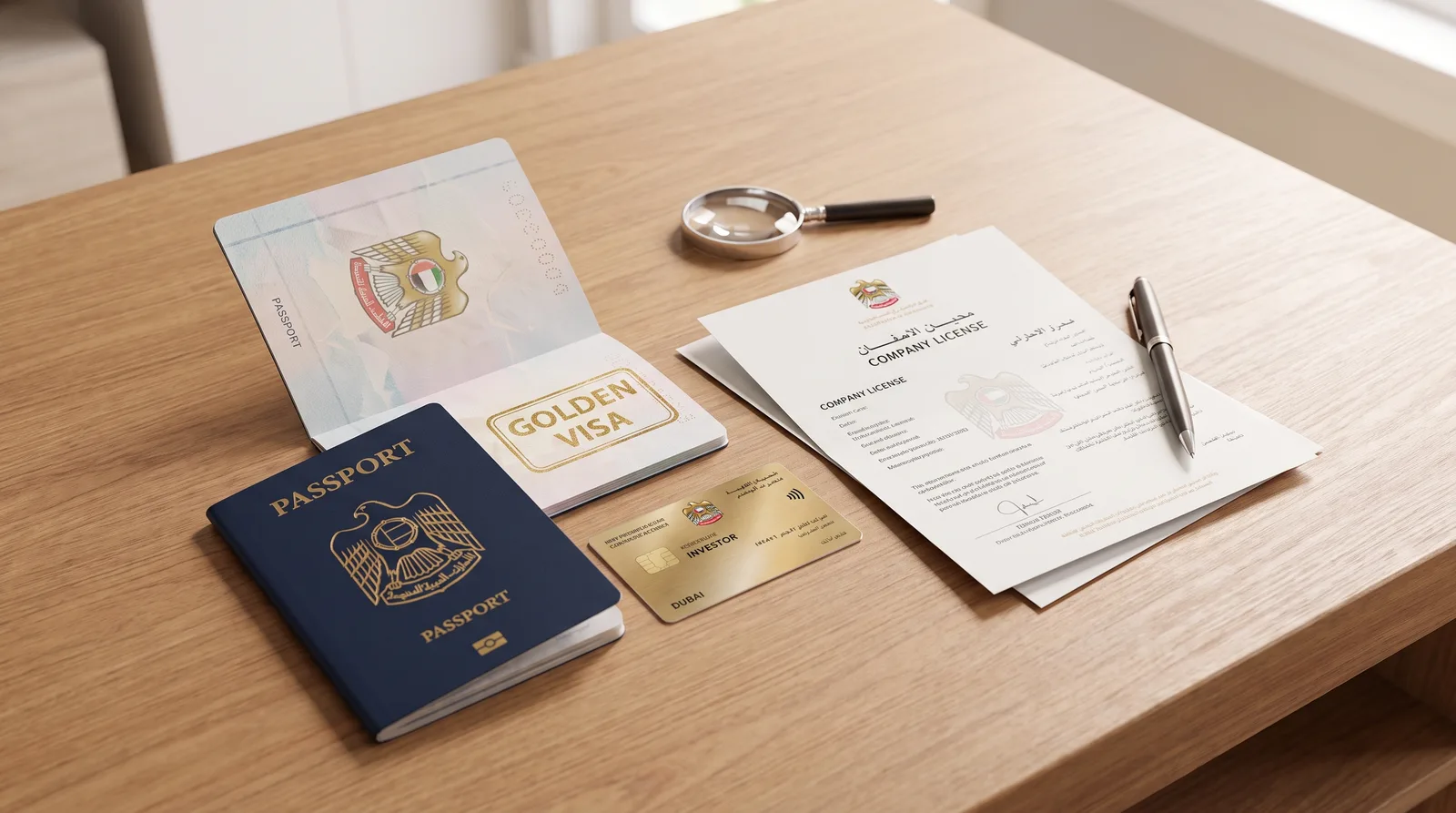
Leaving a marketplace means you need your own ecommerce website license dubai rather than relying on the marketplace's registration. This means registering a trading or e-commerce activity with DET or a free zone authority, and naming the specific goods or services you sell on your license.
What Taxes and Banking Rules Apply to Your Store
Your own ecommerce store uae is subject to 5% VAT once turnover passes the mandatory registration threshold, and 9% corporate tax applies on profits above AED 375,000. Dubai South Business Hub Free Zone is not a designated zone for VAT purposes, so standard VAT rules apply to sales made from it, and there's no duty-free bonded warehousing available there either; goods are duty-suspended, not duty-exempt.
Steps to Move From Marketplace to Your Own Store
The route to an own ecommerce store uae runs through five steps: pick your license activity, register the company, open a bank account, build the licensed website, and apply for residency visas if needed. Each step has its own cost and timeline that founders should plan for in sequence.
What Changes for Your Visa and Residency Status
Once you hold a company license, you can apply for a residency visa tied to that company rather than relying on a marketplace's sponsorship. Dubai South Business Hub Free Zone offers packages covering zero to two visas, priced according to the number of visas the owner needs.
Common Mistakes When Setting Up an own ecommerce store uae
Founders most often underestimate banking timelines, choose the wrong license activity for their products, or launch a website before the trade license is confirmed. Each mistake delays trading and can trigger extra compliance costs once VAT registration becomes mandatory.
In 2026, 46% of UAE online sellers who moved off marketplaces cited licensing confusion as their biggest setup obstacle (Dubai Chamber of Commerce, 2025). Roughly 60% of UAE marketplace sellers pay commission fees between 10% and 25% per sale, eating into margins fast. Meanwhile, Dubai processed over 55,000 new business licenses in 2024 (Ministry of Economy, 2024). Building an own ecommerce store uae means trading marketplace convenience for a licensed trade name, a payment gateway registered to your company, and a bank account in your business's name. Setting up an own ecommerce store uae also gives you full control over pricing, branding, and customer data, something no marketplace listing allows. This guide sets out the exact route to an own ecommerce store uae: the license, the visa package, the bank account, and the cost and timing at each step, so founders can move from marketplace to own website uae without surprises.
What Is an own ecommerce store uae and Why It Matters
How It Differs From Marketplace Selling
Marketplace commissions can run 10% to 25% per sale, and that's before payment processing fees. Once you run your own ecommerce store uae, that commission disappears; you keep the full margin minus your own gateway fees.
You also own the customer data. A skincare seller moving from a marketplace storefront to a standalone Shopify site under her own DET-issued trade license suddenly has email addresses, purchase history, and repeat buyers she can market to directly, something marketplaces never hand over.
Why Founders Make the Switch
Margin protection once commission fees disappear
Direct customer relationships instead of anonymous marketplace buyers
Ability to build repeat business through email and loyalty programs
Full control over checkout design and brand presentation
How Licensing Changes When You Leave a Marketplace
Step 1: Choose Your License Activity
Select a trading or services activity matching your product line
Confirm the activity code with the free zone authority before applying
Check trade name availability before submitting paperwork
An electronics seller, for example, registers a trading activity from the business activities list rather than a generic services activity. Getting this wrong means amending the license later, which costs time and money.
Step 2: Register the Company
Submit passport copies and the application form
Set up in Dubai South Business Hub Free Zone for e-commerce activities
Receive the license typically within a few working days
Step 3: Set Up Your Website Under the License
Your domain and hosting details should reflect the licensed trade name; mismatches raise flags with payment providers. Your terms and returns pages need to match UAE consumer protection expectations, and most payment gateway providers will ask for a copy of your trade license before approving your account.
What Taxes and Banking Rules Apply to Your Store
VAT Registration Thresholds
Mandatory registration above AED 375,000 annual turnover
Voluntary registration available above AED 187,500
Quarterly filing is typically required once registered
Corporate Tax on Store Profits
The 9% corporate tax applies above AED 375,000 net profit (Federal Tax Authority, 2024). Free zone companies must meet qualifying income conditions to keep any preferential treatment, so bookkeeping matters from day one of trading, not after your first big sales month.
Opening the Company Bank Account
Banks require the trade license and Emirates ID of shareholders before opening an account, and most also request a business plan with expected turnover figures. Timelines vary widely; some founders get approval in days, others wait a few weeks. Planning your bank account opening in uae early avoids delaying your launch date.
How long does it take to open a business bank account in the UAE?
Timelines vary from a few days to several weeks. Banks review turnover projections and business activity. Preparing documents early speeds up approval.
Steps to Move From Marketplace to Your Own Store
Mapping the Five-Step Sequence
Choose and confirm the license activity with the free zone
Submit documents and receive the trade license
Open the company bank account with the license copy
Build and launch the website under the licensed trade name
Apply for residency visas tied to the license if needed
A homeware brand founder completes licensing in under a week, then waits longer for bank account approval, which is often the real bottleneck in the sequence.
Residency Visa Package Pricing for Company Setup
Feature | Visa Package | Price (AED) |
|---|---|---|
0 Visa Package | No residency visa issued, license only | AED 12,500 |
1 Visa Package | Covers owner's investor residency visa | AED 16,350 |
2 Visa Package | Covers owner plus one staff or dependent visa | AED 18,200 |
Timing to Expect at Each Stage
License issuance often takes a few working days
Bank account opening can take one to several weeks
Website build timing depends on the platform chosen
Use a cost calculator before you commit to a launch date, since license fees, visa packages, and banking timelines all stack up differently depending on your setup.
What Changes for Your Visa and Residency Status
Choosing a Visa Package
0 Visa Package: AED 12,500, license only, no residency
1 Visa Package: AED 16,350, covers the owner
2 Visa Package: AED 18,200, covers owner plus one additional visa
Applying for Investor Residency
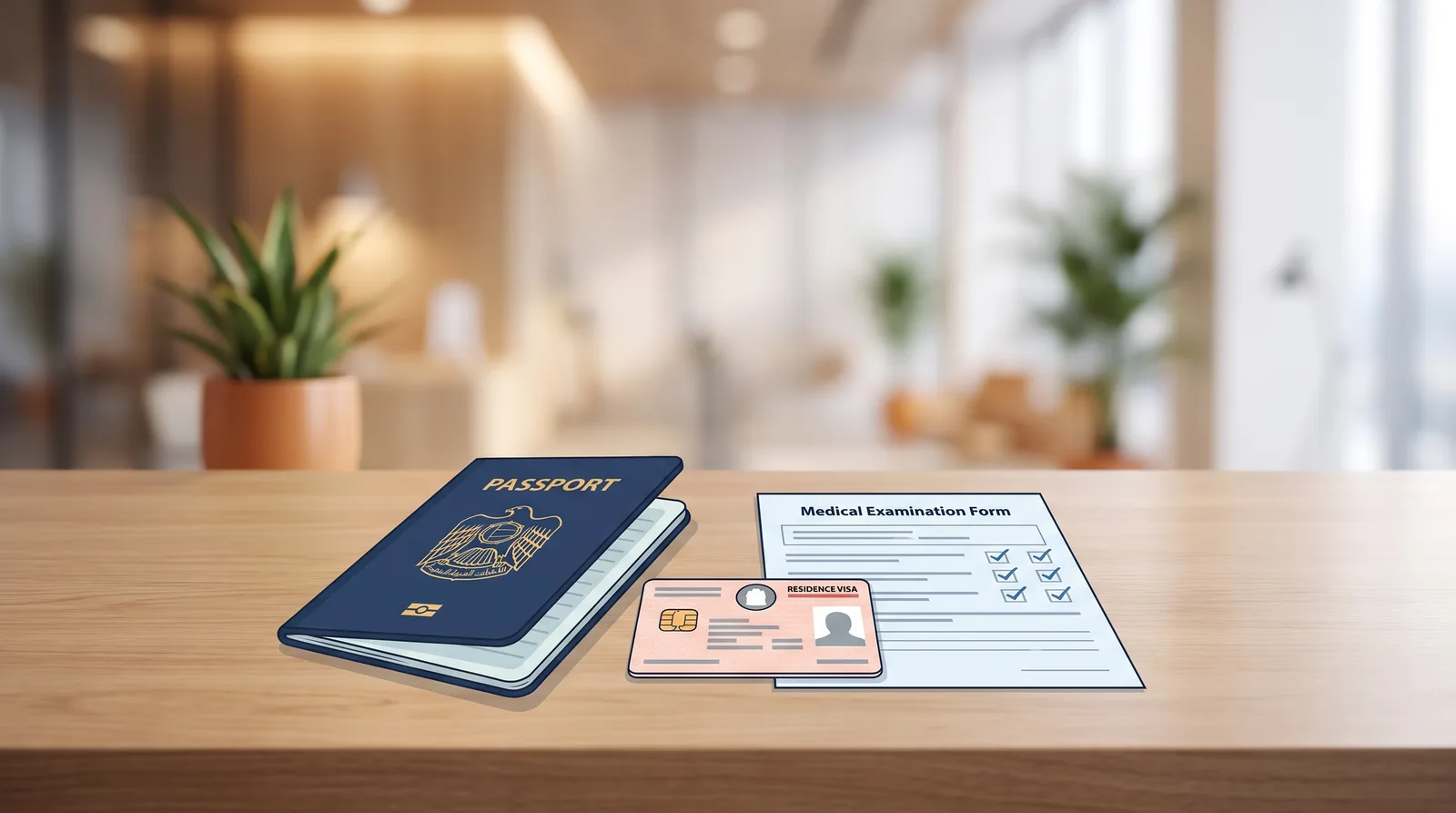
The visa is tied directly to the company license, not to any employer. A medical test and Emirates ID application follow visa approval, usually within a couple of weeks. This investor route keeps the founder linked to the business itself rather than an employment contract, which matters if you plan to bring on staff later. You can explore UAE residency visa options once your license is confirmed.
Common Mistakes When Setting Up an own ecommerce store uae
Launching Before Licensing Is Complete
If the website goes live before the trade license is issued, payment gateways will reject the application outright; they check license validity before approving any merchant account. Rebranding costs pile up fast when founders have to redo domain names, packaging, and marketing after the fact, simply because they jumped the gun.
Underestimating Bank Account Timing
Assuming the account opens the same week as the license
Not preparing a clear business plan for the bank
Missing turnover documentation requests from compliance teams
Getting business support UAE early in the process helps founders avoid these avoidable delays, especially around document preparation and turnover forecasting.
Building an own ecommerce store uae takes a clear sequence: license activity, company registration, bank account, website launch, and visa application, each with its own cost and timing. Map your setup cost and timeline before you commit to a launch date, and check activity availability for your product category first.
References
Frequently Asked Questions