Topic Summary
What the UAE Advertiser Permit Actually Is
The UAE Media Council now requires a formal advertiser permit before any paid or sponsored social media post goes live. It replaces the old grey-area approach that relied on general media licensing rules built for TV, print, and radio.
Commercial Intent Triggers the Permit Requirement
The permit applies whenever money, goods, or commissions change hands in return for promotion — covering paid posts, gifted products, affiliate links, and brand deals. Personal posts with no commercial arrangement behind them are not affected.
Follower Count Does Not Determine Who Must Apply
There is no minimum follower threshold in the rules — a creator with 30,000 followers accepting one paid hotel stay per month still needs the permit. Commercial intent, not audience size, is the legal test.
Expats and Part-Time Creators Are Also Covered
Any UAE resident earning from sponsored content must comply, regardless of nationality or how frequently they post paid content. Part-time creators doing occasional brand deals are held to the same standard as full-time influencers.
Brands and Agencies Face the Same Rules
Companies running their own influencer-style channels and marketing agencies placing influencer deals on behalf of clients must also hold the permit or be registered. The obligation is not limited to individual content creators.
UAE Rules Now Align With Global Ad Standards
The UK, US, and Australia already require clear advertising disclosure from influencers, and the UAE has now joined that trend with a formal permit system. The change brings influencer marketing under the same regulatory framework as other forms of advertising.
In 2024, the UAE made paid social media posts a licensed activity. Over 11 million people in the UAE use social media actively (Statista, 2024). Influencer marketing across the MENA region crossed USD 1 billion in annual spend. The UAE Media Council now requires a formal permit before any sponsored post goes live. Without it, posting paid content breaks UAE media law. This guide covers the new UAE advertiser permit for social media influencers: what changed, who must apply, how to get approved, what it costs, and what happens if you skip the process.
What Is the New UAE Advertiser Permit and Why It Changed
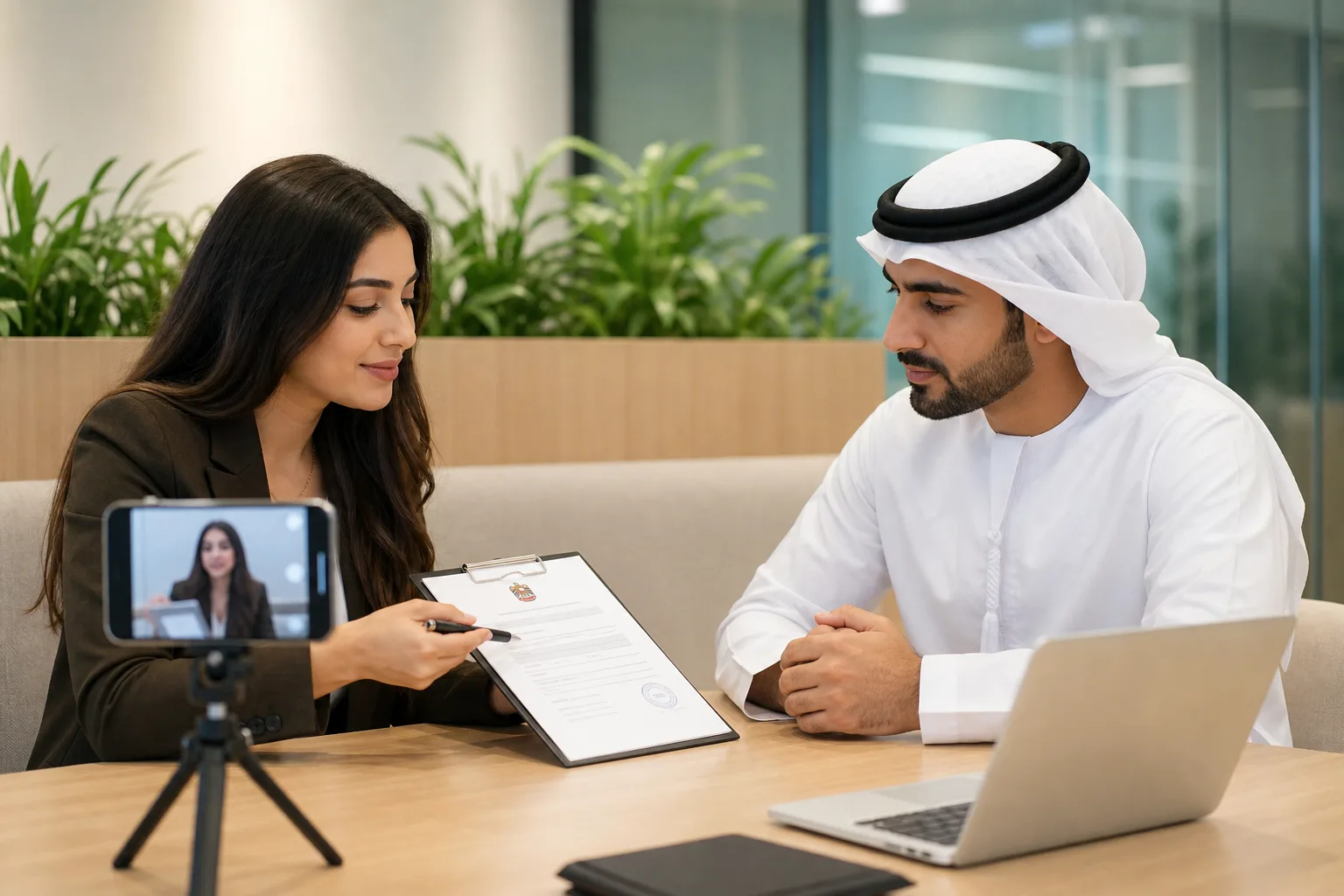
The UAE advertiser permit for social media influencers is an official approval that lets you publish paid or sponsored content online. The UAE Media Council introduced it to bring influencer marketing under the same rules as other forms of advertising. Without it, posting paid content is a breach of UAE media law.
The Old Rules vs the New Ones
Before the update: Influencers operated in a grey area. No single permit covered paid posts. The old system leaned on general media licensing rules built for TV, print, and radio, not social content.
After the update: The new UAE advertiser permit for social media influencers creates one clear path. Apply, get approved, then publish paid content legally. A Dubai-based lifestyle blogger who previously posted brand deals under a general trade license now needs a specific advertiser permit from the UAE Media Council before publishing sponsored content.
The change puts UAE rules in line with global trends. The UK, US, and Australia all require clear ad disclosure. The UAE now does too, with a formal permit sitting behind it.
What the Permit Actually Covers
The permit covers any post, story, reel, or video where money or goods change hands in return for promotion. Here is what falls inside and outside the scope:
Covered by the permit:
Paid posts and sponsored stories
Gifted product promotions
Affiliate links that earn commission
Paid video content on YouTube or TikTok
Brand deals on Instagram, X, and Snapchat
Not covered:
Personal posts with no commercial deal behind them
Organic content you create for free with no brand arrangement
A fitness influencer posting a discount code for a protein brand in exchange for free product and a monthly fee needs the permit. A personal post about a gym visit with no brand deal does not. The trigger is the commercial arrangement, not the platform or the post format. You can explore the full range of business activities in Dubai to see where content creation sits within UAE licensing categories.
Who Must Get the New UAE Advertiser Permit
Any individual or company based in the UAE who publishes paid, sponsored, or gifted content on social media must hold the new advertiser permit. This includes full-time influencers, part-time content creators, brands running their own channels, and agencies managing influencer campaigns on behalf of clients. For more detail, see our guide on UAE social media creator regulations.
Individuals Who Need a Permit
The rules apply to any UAE resident earning money from sponsored content on any platform. Key facts to know:
No minimum follower count is set in the rules
Commercial intent is the test, not audience size
Expats living in the UAE must comply, not just UAE nationals
Part-time creators doing occasional brand deals still need the permit
The permit applies regardless of nationality for UAE-based creators
A mid-size travel creator with 30,000 Instagram followers who accepts one paid hotel stay per month still needs the permit. Audience size is not the test. Commercial intent is.
Businesses and Agencies That Must Comply
Brands: Companies running their own influencer-style channels for paid promotion need a permit. If your brand account publishes sponsored content, the same rules apply to you as they do to individual creators.
Agencies: Marketing agencies that place influencer deals on behalf of clients must also be registered. A Dubai-based digital marketing agency that manages Instagram campaigns for five retail clients must hold the permit before any paid post goes live under a client brief. Agencies and individual creators are treated as separate applicant types under the rules, so you cannot use one individual permit to cover a team. Getting a professional license in Dubai is often the right first step for agencies before applying for the permit.
Key Changes the New Rules Introduced
The updated UAE influencer rules introduced a formal permit requirement, mandatory ad disclosure on every paid post, a registration process through the UAE Media Council, and new penalties for non-compliance. These changes replaced an informal system where many creators operated without any official approval for their commercial content.
Disclosure Is Now Mandatory
Every paid or gifted post must carry a clear label. The rules on what that looks like:
Use "Ad", "Paid partnership", or "Sponsored" clearly in the post
The label must appear in the post itself, not buried in hashtags
Stories and short-form video must carry the label too
Failing to disclose is a separate breach from operating without a permit
Disclosure rules apply across all platforms and all post formats
A food blogger who posts a restaurant review in exchange for a free meal must label the post as gifted or sponsored. Leaving it unlabelled is a breach even if the blogger holds a valid permit. The two obligations, holding the permit and disclosing the deal, are independent of each other.
Penalties for Breaking the New Rules
Publishing paid content without a permit can lead to fines and a content takedown order. First-step penalties are typically a formal warning notice plus a requirement to remove the posts in question.
Repeated breaches can result in a ban on operating as a content creator in the UAE. Agencies found placing illegal influencer deals face their own separate penalties. The UAE Media Council also has the power to refer cases to other authorities for further action.
Does the permit cover content posted from outside the UAE?
The permit applies to creators based in the UAE who publish content targeting a UAE audience, regardless of where the content is physically uploaded. If you live in the UAE and run paid campaigns for UAE brands, the permit requirement applies to you even if you post while travelling abroad.
How to Apply: 6 Steps to Get Your Permit
To get the UAE advertiser permit for social media influencers, you register with the UAE Media Council, submit your identity documents and platform details, choose your content category, pay the permit fee, and wait for approval. The process runs through the Media Council's online portal and typically takes 3 to 5 working days.
Step-by-Step Application Process
Step 1, create an account: Go to the UAE Media Council portal at uaemc.gov.ae and register.
Step 2, select the right permit: Choose the advertiser permit for social media content creators.
Step 3, upload your documents: Submit your Emirates ID or passport copy and a recent photo.
Step 4, list your accounts: Add all active social media accounts and your main content category.
Step 5, pay the fee: Complete payment online through the portal in AED.
Step 6, wait for approval: Processing takes 3 to 5 working days for complete applications.
A beauty influencer based in Dubai completed the full application in under 30 minutes using the UAE Media Council portal, uploading her Emirates ID and linking her Instagram and TikTok accounts before paying the fee online. The portal accepts applications from both individuals and registered businesses.
What You Need Before You Apply
Get these ready before you open the portal:
Valid Emirates ID or passport copy
Links to all active social media accounts for paid content
Your main content area: fashion, food, travel, tech, or similar
A valid trade license if applying as a business
Payment method for the permit fee (AED, paid online)
An agency applying on behalf of a team of creators needs its own trade license plus separate permit applications for each creator on the roster. Individual and business applications require different supporting documents, so check which category applies to you before you start.
How to Set Up a Licensed Influencer Business in the UAE
To run influencer marketing as a proper business in the UAE, you need both a trade license and the advertiser permit. A free zone trade license lets you operate legally, invoice clients, open a business bank account, and apply for a UAE residency visa. The permit then covers your content publishing rights.
Trade License Plus Permit: Why You Need Both
The trade license: This lets you operate as a legal business entity in the UAE. It is what lets you invoice a brand, sign a contract, and open a company bank account.
The advertiser permit: This is the separate Media Council approval that covers your right to publish paid content. One does not replace the other.
A US-based influencer who relocates to Dubai needs a free zone professional license in Dubai to invoice clients, plus the Media Council advertiser permit to publish paid posts. You cannot legally invoice a brand for a paid campaign without both in place. Free zone licenses allow 100% foreign ownership, which suits most international creators. Professional licenses at Dubai South Business Hub start from AED 12,500 (as of 2026).
UAE Advertiser Permit: Individual vs Business Applicant
Feature | Individual Creator | Business or Agency |
|---|---|---|
Permit fee level | Lower fee for solo creators | Higher fee for registered businesses and agencies |
Supporting documents needed | Emirates ID or passport copy, recent photo | Emirates ID plus valid trade license required |
Number of creators covered | One creator per permit only | Business permit covers the entity; each creator still needs their own |
Trade license required | Not required for individual applicants | Mandatory supporting document for all business applications |
Renewal process | Annual renewal via portal, same fee as initial application | Annual renewal via portal, must also maintain valid trade license |
Free Zone Setup for Content Creators
A free zone license gives you the legal base to run paid brand deals properly. Key benefits for content creators:
Work with UAE and international clients under one license
Sponsor your own UAE residency visa through your company
Open a UAE business bank account in your company name
100% foreign ownership with full profit repatriation
Setup typically takes 1 to 2 weeks once documents are in order
A tech content creator setting up at Dubai South Business Hub gets a professional license, a UAE residency visa, and a business bank account, giving them the full legal base to run paid brand deals. Dubai South Business Hub supports media-related business activities and suits creators who want to invoice internationally.
Common Mistakes Influencers Make with the New Permit
The most common mistakes are publishing paid posts before the permit arrives, failing to label sponsored content correctly, applying as an individual when a business license is needed, and not renewing the permit on time. Each mistake carries its own penalty under UAE media law and can result in fines or content removal.
Permit Timing and Renewal Errors
These are the most frequent breaches the UAE Media Council sees:
Publishing paid posts while your application is still pending
Assuming "applied for" is the same as "approved"
Letting the permit lapse, a lapsed permit has the same status as no permit
Missing renewal dates because reminders are not always sent automatically
A lifestyle influencer who submitted her application and then posted a paid campaign the next day was found in breach because the permit had not yet been issued at the time of publishing. The permit must be active at the moment of publishing, not just applied for. Track your expiry date yourself and set a reminder 30 days before it.
Wrong Permit Type or Missing Trade License
Applying as an individual when you run a business that employs others is the wrong category. Using a general trading license to cover influencer work is not valid either, the activity on your license must match what you actually do.
A marketing agency in Dubai tried to cover five creators under one individual permit. The Media Council rejected the arrangement and required separate business-level registration. Agencies must not apply under an individual permit and then manage multiple creators. Always check that your trade license activity list includes social media marketing or content creation. You can review the full list of business activities in Dubai to confirm the right activity code before you apply.
What happens if I post while my permit is pending?
Posting paid content while your application is under review is treated as operating without a permit. The approval date is what counts, not the submission date. The UAE Media Council can issue a warning notice and require you to remove the posts, even if your permit is approved shortly after. Pause all paid content until you receive your permit number.
Costs and Timelines for the New UAE Advertiser Permit
The UAE advertiser permit for social media influencers involves a fee paid to the UAE Media Council at the time of application and renewal. The exact fee depends on your applicant type. Processing takes 3 to 5 working days in most cases. A trade license, if needed, is a separate cost on top.
Permit Fees and What Affects Them
Individual creator permits carry a lower fee than business or agency permits. All fees are paid in AED through the UAE Media Council portal at the time of application. Renewal fees apply each year and typically match the initial application fee.
Factor | Individual Creator | Business or Agency |
|---|---|---|
Permit fee level | Lower rate | Higher rate |
Payment method | AED, online via portal | AED, online via portal |
Renewal frequency | Annual | Annual |
Trade license cost | Not required | Separate cost, required |
Free zone license (if needed) | From AED 12,500 at DSBH | From AED 12,500 at DSBH |
A solo travel creator applying as an individual pays a lower permit fee than a Dubai-based agency applying to manage paid campaigns for a roster of ten creators. Check the current fee schedule on the Media Council portal before you apply, as fees are updated from time to time. Use the business setup cost calculator to estimate the full cost if you also need a trade license.
How Long the Process Takes
Timeline points to keep in mind:
Standard processing: 3 to 5 working days
Main cause of delays: missing or mismatched documents
Track your status through your Media Council portal account
Do not publish paid content while you wait
A food blogger who submitted a complete application on a Monday received her permit number by Wednesday of the same week. Complete applications process fastest. Get your documents right before you submit and you will not lose days to correction requests.
What the New UAE Advertiser Permit Means for Your Business
The new UAE advertiser permit for social media influencers signals that influencer marketing is now a regulated profession in the UAE. For creators and agencies, it means operating with legal clarity, building trust with brand partners, and avoiding fines. For businesses hiring influencers, it means checking permit status before signing any campaign deal.
Opportunities the New Rules Create
Regulation is not just a cost. It creates real advantages for those who move first:
Permit holders stand out as credible, compliant partners to brands
A regulated market pulls in bigger brand budgets
Agencies with full compliance can pitch to global clients who require it
The permit process pushes creators to treat their work as a real business
Frequently Asked Questions