Apply for a Medical, Surgical Equipment & Instruments Trading License in Dubai
Topic Summary
Understanding the Medical Equipment Trading License
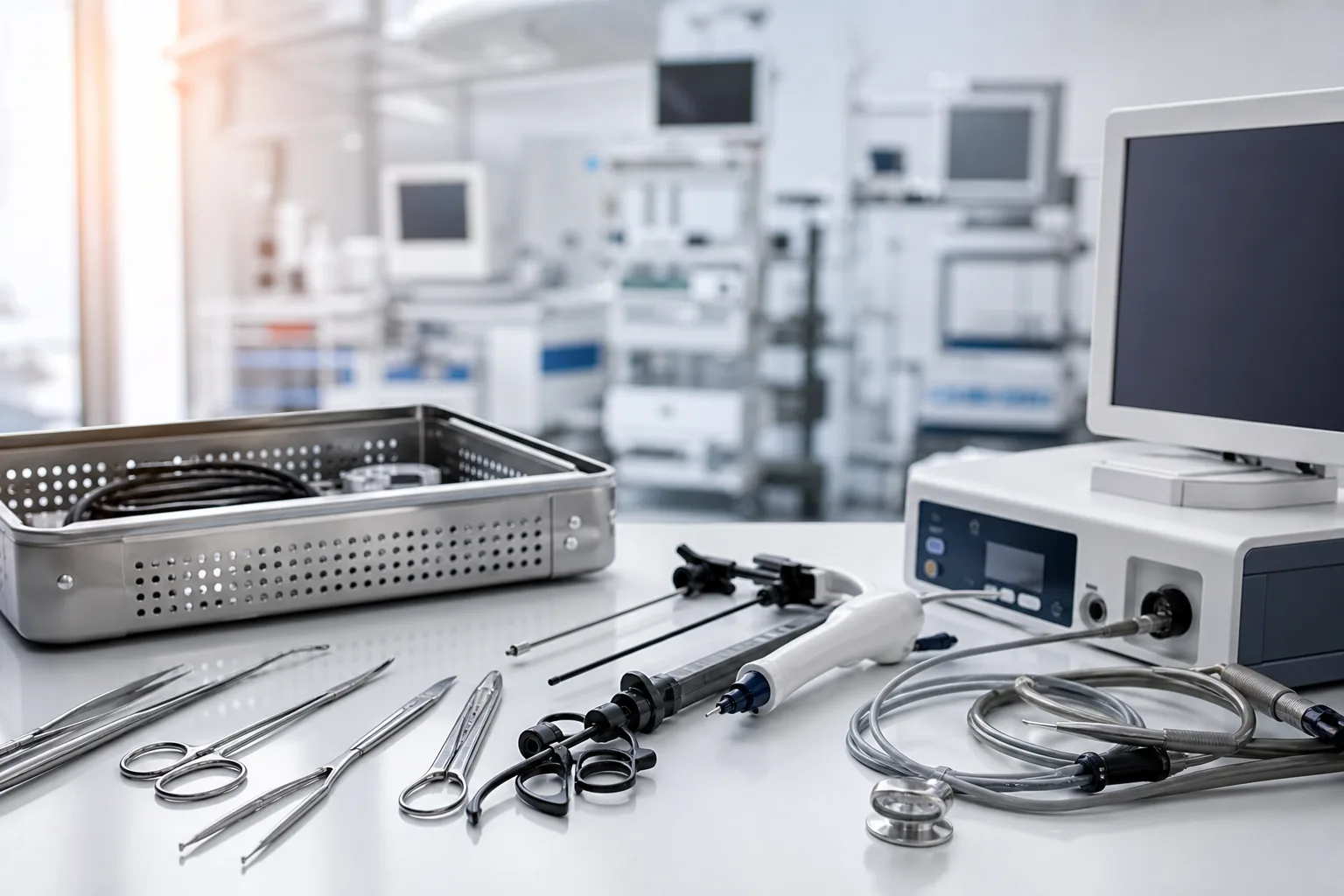
This license lets a business buy, import, export, and distribute medical devices and surgical tools. It is a wholesale license and does not permit direct retail sales to patients or clinical services.
Dubai South Activity Code and Key Facts
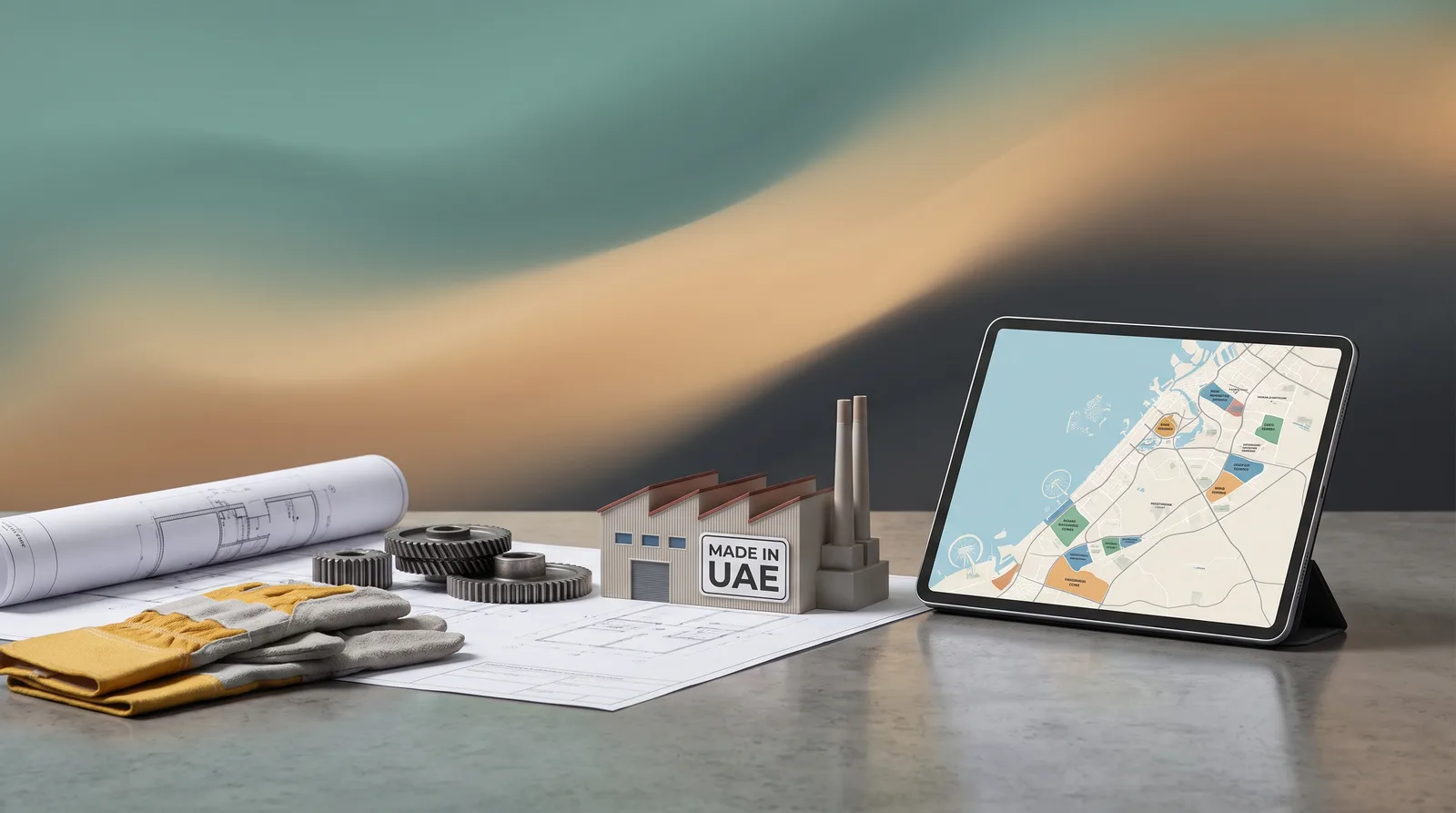
The activity code 4773.b1 covers medical, surgical, dental, and orthopaedic equipment at Dubai South Business Hub Free Zone. Full 100% foreign ownership is permitted, and typical setup takes 5 to 15 working days for straightforward applications.
Products Covered by the License
The license covers surgical instruments and consumables such as scalpels, sutures, and sterile dressings, along with diagnostic and monitoring equipment. Each product line needs its own regulatory check before it is sold.
Step-by-Step Application Process
Applicants select the activity code, reserve a trade name, and obtain pre-approval from the relevant regulator before signing a lease. Fees are paid in AED once all approvals are in place.
Documents Needed for Your Application
You will need the trade license and memorandum of association, passport copies and Emirates IDs of owners and directors, proof of premises, and a product list with manufacturer authorization letters. Missing signatures and unclear product lists are the most common causes of delay.
Ongoing Compliance Duties for Traders
Traders must register devices with the Dubai Health Authority where required, maintain proper storage and cold chain controls, and keep sales records that trace each batch to its buyer. Recalls and adverse events must be reported as the regulator directs.
Importing and selling medical and surgical equipment in Dubai requires more than a standard commercial license. Traders must also meet product rules set by the Dubai Health Authority (DHA) and the Ministry of Health and Prevention (MoHAP). This guide covers the license scope, application steps, required documents, and compliance duties. Activity Code 4773.b1 covers medical, surgical, dental, and orthopaedic equipment at Dubai South Business Hub Free Zone, through a Trading License.
Key Facts at a Glance
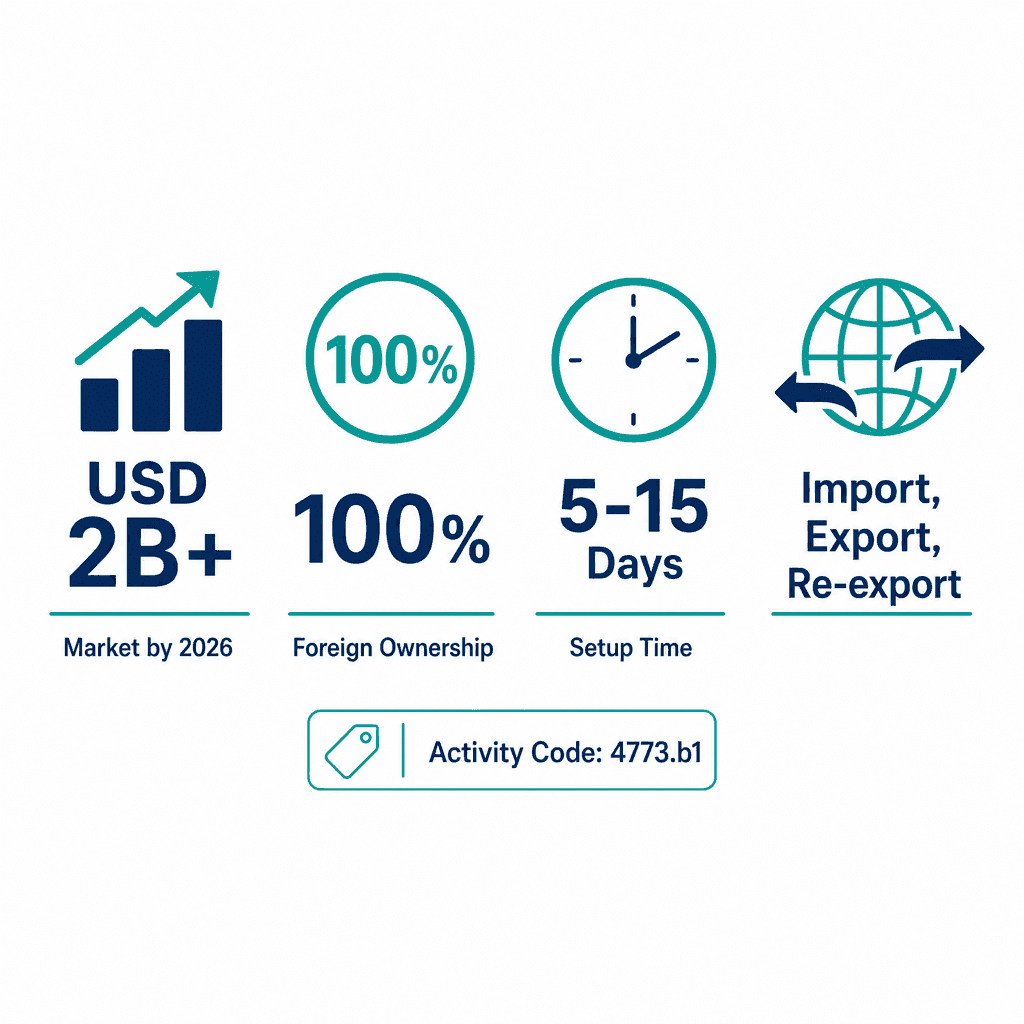
Activity Code: 4773.b1 | License type: Trading License
100% foreign ownership permitted at Dubai South Business Hub Free Zone
Typical setup timeline: 5 to 15 working days for straightforward applications
Dubai South sits beside Al Maktoum International Airport and Jebel Ali Port
Free zone status provides customs duty exemptions on goods in transit
What Is a Medical, Surgical Equipment and Instruments Trading License?
A Medical, Surgical Equipment and Instruments Trading License permits a business to buy, import, export, and distribute medical devices and surgical tools. It is a wholesale license. It does not allow direct retail sales to patients or the provision of clinical services. Trading means buying and reselling goods. Distribution means supplying those goods to hospitals, clinics, and procurement buyers. Importing means bringing goods into the UAE through customs.
The Dubai Health Authority regulates medical device trade in Dubai. Mainland trading also requires a commercial license from Dubai Economy and Tourism (DET). Free zone companies hold a license issued by the free zone authority instead, so Dubai South issues the license for this activity.
Factor | Dubai South Free Zone | Mainland Dubai |
|---|---|---|
License issuer | Dubai South Business Hub Free Zone | Dubai Economy and Tourism (DET) |
Foreign ownership | 100% permitted | Follows different ownership rules |
Sales into mainland UAE | Usually requires a mainland-licensed distributor or separate approval | Direct mainland sales under the mainland license |
Customs treatment | Duty exemptions on goods in transit | Standard import clearance through Dubai Customs |
Which Products Fall Under This License?
The license covers surgical instruments and consumables, such as scalpels, sutures, and sterile dressings. It also covers diagnostic and monitoring equipment. Hospital furniture and reusable medical devices fall under the same category when they meet the activity definition. Each product line needs its own regulatory check before sale.
How to Apply for a Medical Equipment Trading License in Dubai

The application follows a clear sequence. You select the activity, reserve a trade name, obtain initial approvals, sign a lease, and pay fees. The main steps are listed below in order.
Select Activity Code 4773.b1 and your legal structure.
Reserve a trade name and submit the application with supporting documents.
Obtain pre-approval from the relevant regulator for medical device activity.
Sign the lease for a registered office or warehouse.
Pay license fees in AED and receive the trading license.
Pre-approval from the regulator should come before you commit to a lease. Regulatory feedback can change the product scope. Pay fees in AED once all approvals are in place.
What Documents Are Required?
Trade license and memorandum of association
Passport copies and Emirates ID of owners and directors
Proof of premises or a signed lease agreement
Product list and manufacturer authorization letters
How Long Does Approval Take?
Timelines depend on the license type and how ready your documents are. Simple applications with complete files often finish within 5 to 15 working days. Incomplete files cause most delays. Missing signatures and unclear product lists slow review more than any other factor.
Regulatory Requirements and Compliance Duties
Medical device traders must follow DHA registration rules for each product. They must store goods correctly and keep records that trace every sale. Products that need temperature control require cold chain handling from arrival to delivery. Traders must also report product recalls and adverse events promptly.
Register devices with the Dubai Health Authority before sale, where required.
Maintain storage conditions and cold chain controls for sensitive products.
Keep sales records that trace each product batch to its buyer.
Report recalls and adverse events as the regulator directs.
Which Authorities Oversee Medical Device Trade?
DHA: health product registration and standards
Dubai Economy and Tourism (DET): commercial licensing for mainland activity
Dubai Customs: import clearance
Costs, Ownership Rules, and Common Mistakes
Costs fall into a few categories. These include license fees, office or warehouse rent, product registration fees, and conformity certificates. Dubai South offers flexi-desk, serviced office, and warehouse options. Fees depend on the package you choose. Estimate your license fees before you commit to a facility.
Free zone companies can hold 100% foreign ownership. Mainland companies follow different ownership rules. Free zone businesses that sell into mainland UAE need a mainland-licensed distributor or a separate approval.
What Are the Common Reasons Applications Get Rejected?
Activity codes on the license do not match the products being traded.
Product registrations are missing or expired.
Storage and handling arrangements are unclear or incomplete.
Key Takeaways
Match the activity code to your product list.
Confirm product registrations before you apply.
Describe storage and handling in writing.
Frequently Asked Questions