Cement & Gypsum Trading License in Dubai: Cost and Requirements

Topic Summary
What the Cement & Gypsum License Covers
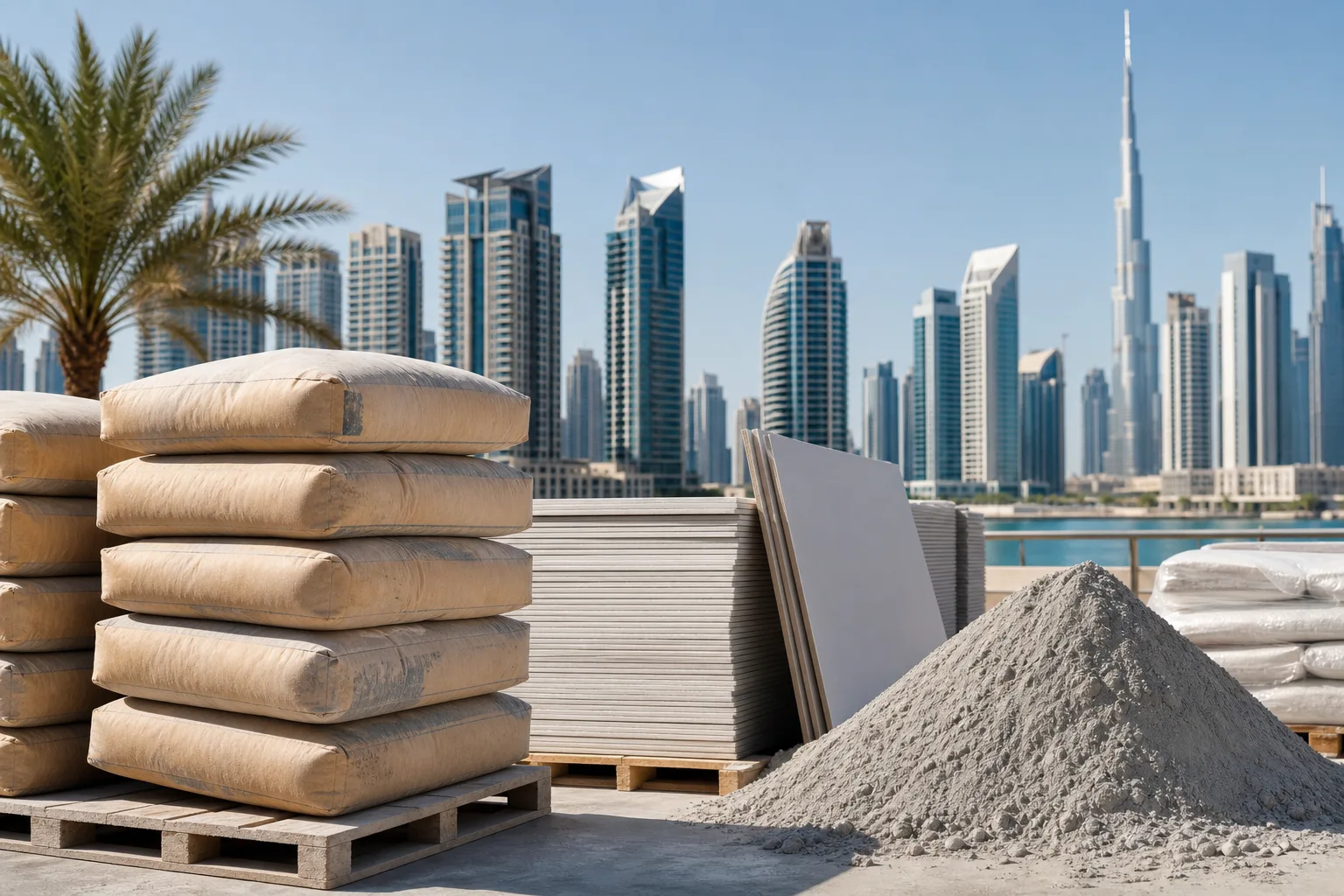
Activity code 4752.3 authorises holders to buy, sell, import, export, and distribute cement, gypsum, and related construction materials commercially. Permitted activities include wholesale and retail trading, re-export through UAE free zone channels, and distribution to contractors and developers.
Why Dubai's Market Demand Is So Strong
Dubai accounts for a substantial share of regional cement consumption, fuelled by ongoing residential, commercial, and hospitality projects. Gypsum is equally in demand as developers prioritise faster build cycles and sustainable interior construction methods.
UAE as a Re-Export Hub for Building Materials
Free zone license holders can re-export cement and gypsum to markets across Africa, South Asia, and the broader Middle East. This gives traders access to an international customer base well beyond the UAE's domestic construction sector.
Key Costs to Budget for at Setup
Trading license fees typically range from AED 12,000 to AED 15,000, with registration and administration adding AED 2,000 to AED 4,000. Office or flexi-desk space and visa fees can bring the total investment to AED 25,000 or more depending on the package chosen.
100% Foreign Ownership Is Permitted
Businesses established at Dubai South Business Hub Free Zone can be fully foreign-owned, removing the traditional requirement for a local UAE partner. This makes the license particularly attractive to international traders and overseas construction supply companies.
Setup Can Be Completed in Under a Week
The typical timeline from application to receiving a trading license is approximately three to seven working days. The process involves selecting the activity code, submitting documentation, paying fees, and then proceeding with any required visa applications.
Who Benefits Most from This License
The license suits a wide range of profiles, from international traders seeking a UAE distribution base to first-time entrepreneurs entering the building materials sector. Manufacturers looking to establish a dedicated trading arm in the region are also well-positioned to benefit.
Dubai's construction sector continues to expand at a remarkable pace, driven by mega-projects, Expo legacy developments, and a sustained influx of foreign investment. Within this environment, the demand for cement, gypsum, and related building materials remains consistently high. For entrepreneurs and businesses looking to capitalise on this growth, obtaining a Cement & Gypsum Trading License in Dubai offers a structured, legally compliant route into one of the region's most active commodity markets.
This guide covers everything you need to know about the Cement & Gypsum Trading License under activity code 4752.3, including setup costs, licensing requirements, and why Dubai South Business Hub Free Zone is an ideal base for this trade.
What the License Covers
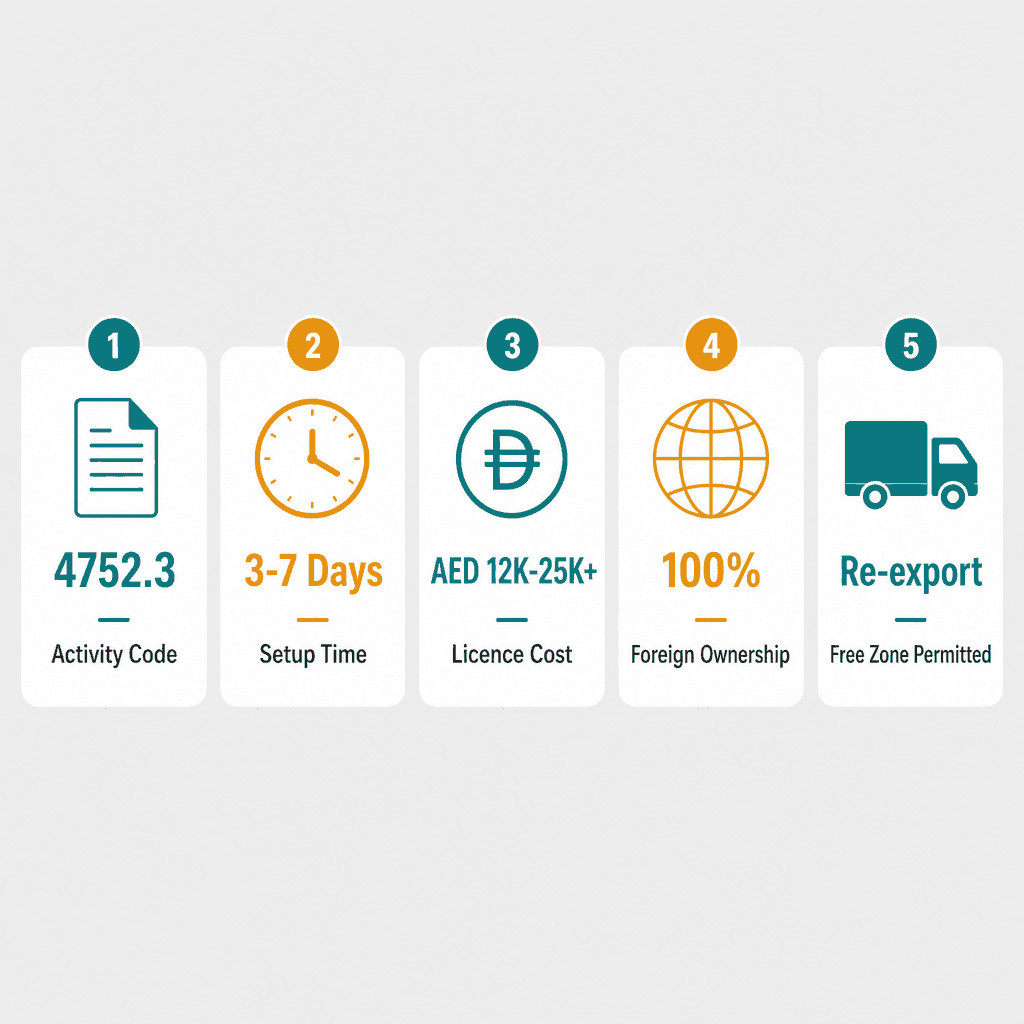
The Cement & Gypsum Trading License falls under activity code 4752.3, categorised as a Trading License within the broader Trading category. It authorises the holder to buy, sell, import, export, and distribute cement, gypsum, and related construction materials on a commercial basis.
Permitted activities under this license typically include:
Wholesale and retail trading of cement and gypsum products
Import and export of raw and processed materials
Re-export of goods through UAE free zone channels
Distribution to contractors, developers, and building supply firms
Trading in associated construction materials as permitted by the free zone authority
UAE and Dubai Market Context
The UAE construction industry is projected to grow significantly through 2030, supported by government-backed infrastructure programmes and a booming real estate market. Dubai alone accounts for a substantial share of regional cement consumption, with ongoing projects across residential, commercial, and hospitality sectors.
Gypsum, widely used in interior wall systems, ceilings, and fire-resistant partitions, is equally in demand as developers prioritise faster build cycles and sustainable construction methods. The UAE is also a key re-export hub for construction materials destined for markets across Africa, South Asia, and the wider Middle East, giving license holders access to a broad international customer base.
Key Stats at a Glance
Activity Code: 4752.3
License Type: Trading License
Category: Trading
Recommended Free Zone: Dubai South Business Hub
Foreign Ownership: Up to 100% permitted
Typical License Cost: From AED 12,000 to AED 25,000+ depending on package
Setup Timeline: Approximately 3 to 7 working days
Re-export: Permitted via free zone status
Who Is This License Suited To?
The Cement & Gypsum Trading License is well suited to a range of business profiles, including:
International traders seeking a UAE base for regional distribution
Construction supply companies expanding into the Middle East market
Investors looking to benefit from Dubai's re-export infrastructure
Manufacturers seeking a trading arm in the UAE
Entrepreneurs entering the building materials sector for the first time
Setup Costs and Steps
Setting up a Cement & Gypsum trading company at Dubai South Business Hub Free Zone involves a clear, streamlined process. Costs vary depending on the business package selected, office requirements, and visa allocation.
Cost Component | Estimated Cost (AED) |
|---|---|
Trading License Fee | 12,000 to 15,000 |
Registration and Administration | 2,000 to 4,000 |
Flexi Desk or Office Space | 5,000 to 15,000 |
Visa Fees (per visa) | 3,000 to 5,000 |
The general steps to obtain the license are as follows:
Select your business activity and confirm activity code 4752.3 applies
Choose a company name in line with UAE naming conventions
Submit the application to Dubai South Business Hub Free Zone authority
Provide required documentation, including passport copies and a business plan if requested
Pay the applicable license and registration fees
Receive your trading license and proceed with visa applications as needed
Licensing and Compliance Requirements
To maintain compliance, license holders must adhere to the following requirements:
Annual license renewal with the free zone authority
Maintenance of a registered address within the free zone
Compliance with UAE customs regulations for import and export activities
Adherence to Dubai Municipality standards for construction material quality where applicable
Corporate bank account held with a UAE-licensed financial institution
No additional sector-specific approval from a third-party government body is typically required for general cement and gypsum trading, though businesses dealing in specialised or regulated grades of materials should verify requirements with the relevant authority.
Why Dubai Is Well-Positioned for Cement and Gypsum Trade
Dubai's geographic position at the crossroads of Europe, Asia, and Africa makes it an exceptional hub for construction material trading. The emirate benefits from world-class port infrastructure at Jebel Ali, one of the largest container ports globally, enabling efficient import, storage, and re-export of bulk goods.
Free zone status at Dubai South Business Hub provides 100% foreign ownership, zero corporate tax on qualifying income, full repatriation of profits, and customs duty exemptions on goods not entering the local UAE market. These advantages make it commercially attractive for international traders to base their regional operations in Dubai.
Related Activities
Cement Products Trading Trading License
Timber Trading Business
Frequently Asked Questions