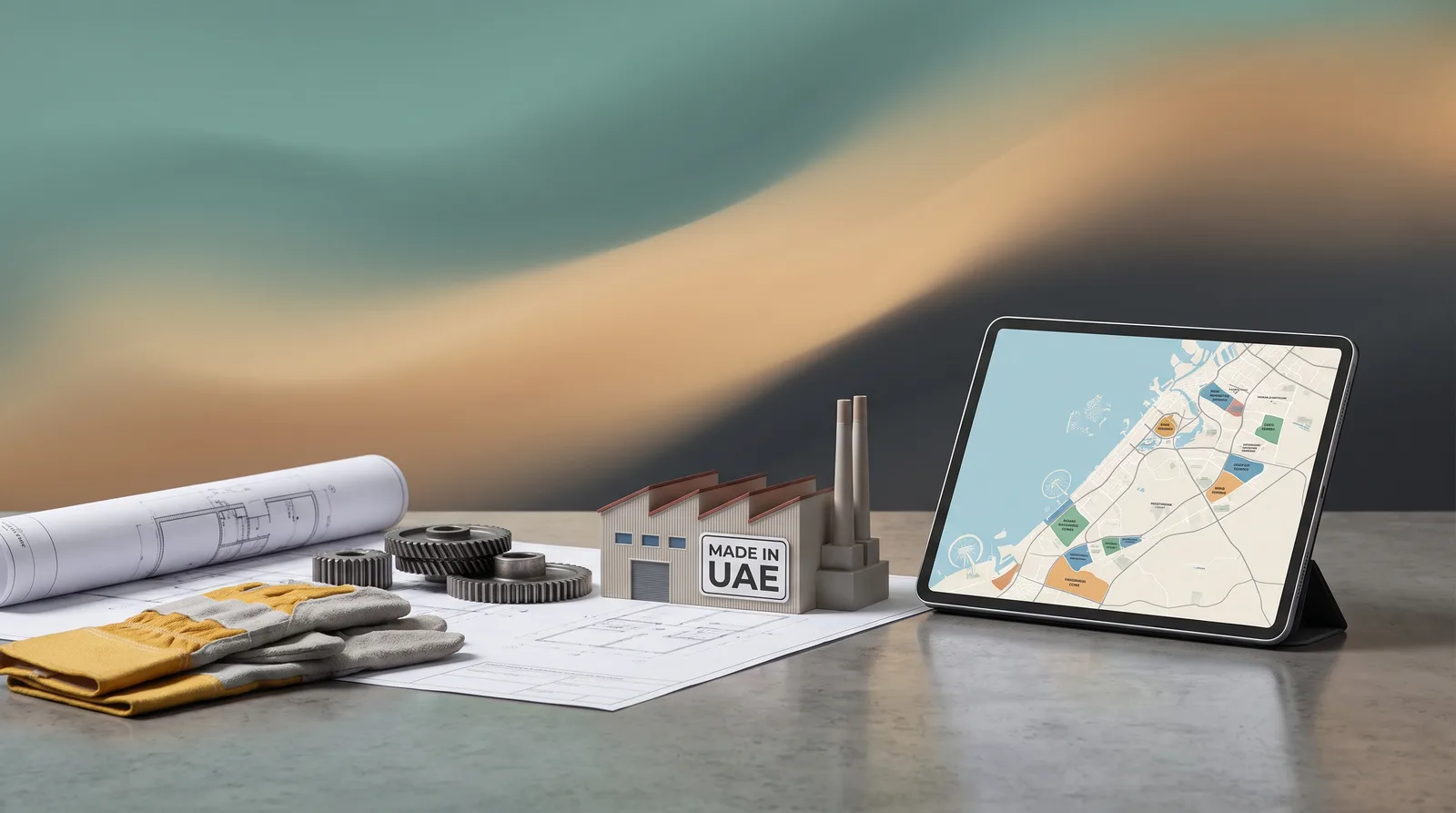
How to Get a Cleanroom Systems Trading License in Dubai

Topic Summary
Target Dubai's Key End-User Industries
Pharmaceutical manufacturers, medical facilities, semiconductor and electronics firms, and research laboratories all need reliable cleanroom equipment and support. Focusing on these sectors helps shape your product range and sales approach.
Trade Without Needing Production Facilities
Trading means buying, selling, importing, and re-exporting finished cleanroom products rather than manufacturing them. Skipping a production facility keeps startup costs lower and speeds up market entry.
Confirm Activity Code 4773.c3 Early
Cleanroom trading falls under activity code 4773.c3, so check that it matches your product range before applying. A wrong code can delay operations.
Compare Mainland and Free Zone Licenses
A mainland license gives wider access to the local UAE market, while a free zone license offers 100 per cent foreign ownership and a simpler setup. Your sales goals should guide which option you choose.
Prepare Documents Before Applying
Most applications require a company name, a trade name, and a short business plan describing products, customers, and sales model. Personal documents such as passport copies, Emirates ID copies, and proof of address are also needed.
Check ISO 14644 Standards Before Importing
Health-related products may require approval from relevant authorities, so review product standards like ISO 14644 for cleanroom classification before importing. This reduces the risk of compliance issues at customs.
Renew Your License Every Year
Your trading license must be renewed annually, and a lapse stops trading activity. Setting a reminder before the expiry date helps you avoid gaps in operations.
Cleanroom systems are controlled spaces that keep dust, particles, and contaminants at very low levels. They are used in pharmaceuticals, electronics, biotech, and healthcare. Dubai's growing demand for these environments makes trading them a strong business opportunity.
Dubai's main end-user industries include pharmaceutical manufacturing, medical facilities, semiconductor and electronics firms, and research laboratories. Each sector needs reliable cleanroom equipment and support. Many of these buyers prefer suppliers who can deliver quickly, provide technical documentation, and answer questions about compliance during procurement.
Trading differs from manufacturing. A trader buys, sells, imports, and re-exports finished cleanroom products. You do not need a production facility. This keeps startup costs lower and speeds up market entry. It also lets you test demand for different product lines before committing to larger inventory or equipment purchases.
Common Products and Services
Modular cleanroom panels, HEPA filters, and airflow units
Pass-through chambers, anti-static flooring, and monitoring equipment
Installation and maintenance support for end customers
Many successful traders bundle products with after-sales support. Customers often value a supplier who can arrange filter replacements, recalibrate monitoring equipment, and coordinate with installation contractors. Offering these services can create repeat revenue and strengthen long-term relationships with facility managers.
Choosing the Right License and Free Zone
Dubai offers two main options for a trading business: a mainland license and a free zone license. Each suits different goals. Your choice affects where you can sell and how you set up.
Cleanroom trading falls under activity code 4773.c3. Confirm this code matches your product range before you apply. A wrong code can delay operations.
Consider your import and re-export plans early. If you move goods across borders, check how your license handles customs and distribution. Map out your expected supply routes, storage needs, and delivery timelines so that your license covers every activity you plan to perform.
Mainland Versus Free Zone Options
Mainland licenses give wider access to the local UAE market.
Free zone licenses offer 100 per cent foreign ownership and a simpler setup.
Dubai South Business Hub Free Zone supports trade licenses, company formation, and residency visa packages tied to a company license.
Compare the total cost of each option, including license fees, office or flexi-desk charges, and visa costs. A lower initial fee does not always mean a lower overall cost, so review the full package before deciding.
Meeting Legal and Documentation Requirements
Prepare your documents before you apply. Most applications need a company name, a trade name, and a short business plan. The plan should describe your products, customers, and sales model.
You will also need personal documents. Gather passport copies, Emirates ID copies where applicable, and proof of address. Some applications need a no objection certificate.
Keep all documents organised in both physical and digital formats. Certified translations may be required for some foreign-language papers, and having them ready prevents unnecessary delays during review.
Permits for Regulated Equipment
Health-related products may need approval from relevant authorities.
Check product standards, such as ISO 14644 for cleanroom classification, before importing.
Ask suppliers for certificates of conformity and test reports. These documents help you answer buyer questions and support your own compliance file.
Step-by-Step Application Process
The application follows a clear sequence. Work through each stage in order to avoid delays.
Reserve your trade name with the licensing authority.
Submit your application and pay the government fees.
Select an office or flexi-desk package at Dubai South.
Register with relevant chambers of commerce.
Receive your trading license, usually within three to five working days.
Open a corporate bank account and apply for residency visas as needed.
Key takeaways:
Reserve the trade name first, then submit your application.
Pay fees and secure office space before receiving the license.
Typical setup takes three to five working days.
Staying Compliant After Setup
Your license must be renewed every year. Set a reminder before the expiry date. A lapsed license stops your trading activity.
Renew the license annually to keep it active.
Keep accurate records of imports, exports, and sales.
Track tax obligations and file corporate documents on time.
Regular internal reviews help you spot problems early. Check that your product range still matches your activity code, confirm that supplier certificates are current, and update your business plan if your customers or markets change.
Key takeaways:
Renew your license every year without gaps.
Good records protect you during audits and customs checks.
Stay on top of tax and corporate filings.
Key takeaways
Cleanroom trading suits entrepreneurs who want lower startup costs than manufacturing.
Choose the license type and activity code that match your product range and sales plans.
Prepare company, personal, and product compliance documents before applying.
Plan for annual renewal, accurate records, and ongoing tax and corporate filings.
Conclusion
A cleanroom systems trading license in Dubai requires the right license type, complete documents, and ongoing compliance. Planning each step early speeds up approval. Contact a licensed business setup advisor to confirm the right license and start your application.
Frequently Asked Questions