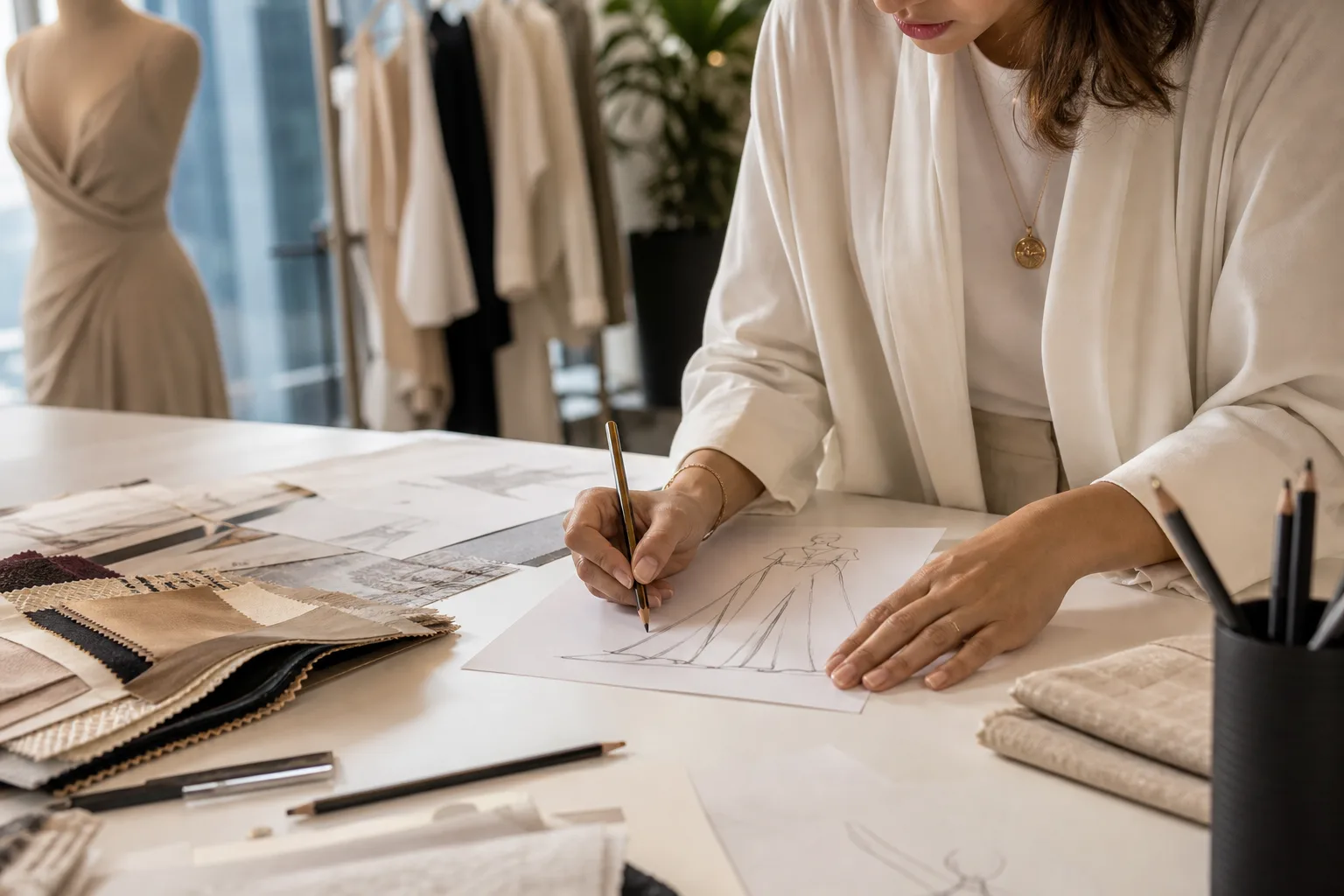
Start a Fashion Design Business in Dubai
Topic Summary
Dubai Sits at a Global Trade Crossroads
Dubai's location between Europe, Asia, and Africa gives fashion businesses direct access to sourcing markets, manufacturing hubs, and export destinations within a single time zone cluster. Designers can source textiles from South Asia, manufacture regionally, and distribute globally with ease.
100% Foreign Ownership, No Local Sponsor
Free zone status at Dubai South allows foreign nationals to hold complete ownership of their fashion design company without requiring a local partner. This removes a significant barrier that deters many entrepreneurs from entering other regional markets.
License Costs Are Surprisingly Accessible
A first-year all-in investment, covering the license fee, registration charges, and a flexi-desk arrangement, typically ranges from AED 12,000 to AED 20,000. Flexi-desk and virtual office options keep overhead low for solo designers or early-stage studios.
The License Covers a Broad Range of Activities
Activity Code 7410.96 permits original garment creation, pattern drafting, textile sourcing consultancy, full collection development, and fashion design consultancy for brands and retailers. The scope supports everything from a solo creative practice to a full design studio.
Setup Takes Just Three to Five Working Days
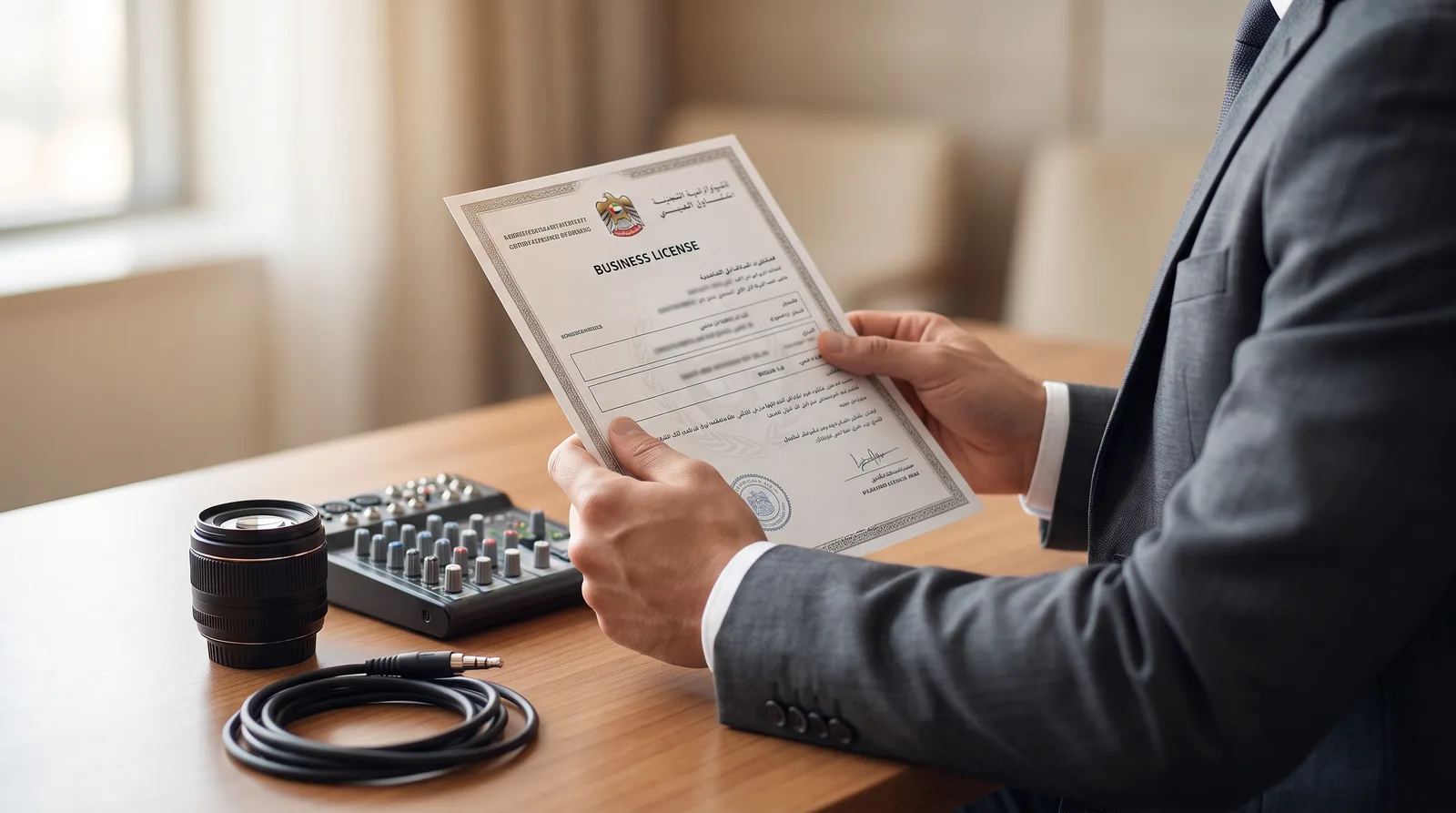
The business license at Dubai South Business Hub Free Zone is typically issued within three to five working days. The process requires only a passport copy, visa page, and a basic business plan outline.
Zero Personal Income Tax on Earnings
The UAE levies no personal income tax, meaning designers keep the full value of their professional earnings. Combined with a low 5% VAT rate and a mandatory registration threshold of AED 375,000, the tax environment is highly favorable for growing businesses.
A Booming Market Backs Your Investment
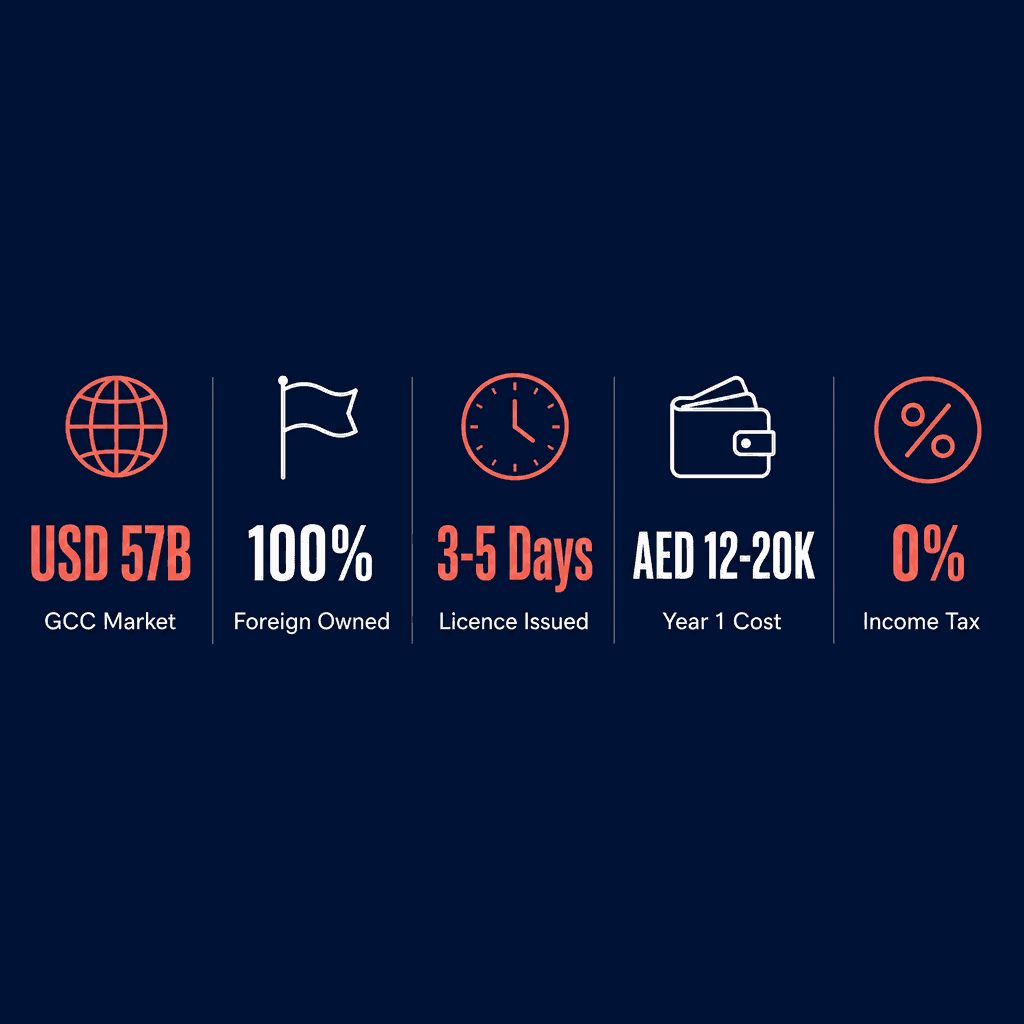
The GCC fashion market is valued at USD 57 billion and continues to grow, driven by a young, affluent population with strong consumer spending power. Expanding retail and e-commerce channels create sustained demand for original design talent and creative consultancy services.
Dubai's position as a global style hub, combined with a booming USD 57 billion GCC fashion market, makes it one of the most compelling locations in the world to launch a fashion design venture. This guide explains how to obtain a Fashion Design license (Activity Code 7410.96) at Dubai South Business Hub Free Zone, covering costs, setup steps, compliance requirements, and the commercial advantages that make Dubai ideal for this trade.
Key Facts at a Glance
GCC fashion market value: USD 57 billion and growing
Activity Code: 7410.96 | License Type: Business License | Category: Professional
Foreign ownership: 100% permitted with no local sponsor required
Typical license issuance: 3 to 5 working days
Setup investment: from approximately AED 12,000 to AED 20,000 for the first year
UAE VAT rate: 5% | Mandatory registration threshold: AED 375,000
Personal income tax: zero
Why Dubai is a Strong Base for Fashion Design
The UAE fashion sector has maintained consistent upward momentum, driven by a young, affluent population with high consumer spending power and a strong appetite for both international and homegrown labels. Retail and e-commerce channels continue to expand, creating sustained demand for original design talent and creative consultancy services.
Geographically, Dubai sits at the crossroads of Europe, Asia, and Africa, giving fashion businesses unrivalled access to sourcing markets, manufacturing hubs, and export destinations within a single time zone cluster. This strategic position makes Dubai particularly attractive for designers who plan to source textiles from South Asia, manufacture in the region, and distribute globally.
Free zone status at Dubai South means that foreign nationals can hold 100% ownership of their company without a local partner, and there is no personal income tax on earnings. Dubai South's direct adjacency to Al Maktoum International Airport further strengthens logistics capabilities, enabling rapid movement of samples, finished garments, and design materials across international markets.
What the Fashion Design License Covers
The Fashion Design license operates under Activity Code 7410.96, classified within the Professional category and issued as a Business License at Dubai South Business Hub Free Zone. This classification aligns with the ISIC framework for specialised design activities, which encompasses creative and aesthetic work applied to textile and apparel products.
Under this license, permitted activities include the creation of original garments, pattern drafting, textile selection and sourcing consultancy, full collection development, and fashion design consultancy for brands and retailers. The scope is broad enough to support a solo creative practice as well as a structured design studio operation.
The license is well suited to a range of professionals and business models, including:
Independent fashion designers building a personal label
Fashion consultants advising retailers on product development
Apparel brand founders who want to manage design in-house
Creative directors relocating their practice to the region
Setup Costs and Steps at Dubai South Business Hub
Setting up a fashion design business at Dubai South Business Hub is a structured and relatively straightforward process. A typical all-in investment for the first year, including the license fee, registration charges, and a flexi-desk arrangement, ranges from approximately AED 12,000 to AED 20,000. Flexi-desk and virtual office options are available, which significantly reduce overhead costs for early-stage designers who do not yet require a dedicated studio.
The setup process follows four main steps:
Select your business activity and confirm the scope under Activity Code 7410.96
Choose the appropriate package, including your preferred workspace arrangement
Submit the required documents: passport copy, visa page, and a business plan outline
Receive your Business License upon approval from the free zone authority
Typical Timeline
For straightforward applications with complete documentation, license issuance can be completed within 3 to 5 working days. If you are applying for a UAE residence visa at the same time, allow an additional 2 to 3 weeks for visa processing and medical requirements. The overall process from initial enquiry to fully operational status is therefore achievable within approximately one month.
Licensing and Compliance Requirements
One of the practical advantages of Activity Code 7410.96 is that no external ministerial or government approvals are required. The free zone authority manages the entire licensing process, removing the delays that can accompany regulated professional activities in other sectors.
License holders are required to renew annually, and renewal fees apply. It is advisable to budget for renewal costs as part of your annual operating plan from the outset.
For VAT, the UAE applies a standard rate of 5%. Businesses with taxable turnover exceeding AED 375,000 annually must register with the Federal Tax Authority. Voluntary registration is available from AED 187,500, which can be beneficial for businesses wishing to reclaim input tax on early-stage expenditure. Many transactions involving clients outside the UAE may qualify as zero-rated exports, which is worth clarifying with a qualified tax adviser.
Designers producing original work should also consider registering intellectual property through the UAE Ministry of Economy. Copyright protection for original fashion designs and patterns can be a meaningful commercial asset as the business scales.
Commercial Potential and Re-Export Opportunities
Operating within a free zone entitles businesses to 100% repatriation of profits and capital, with no restrictions on transferring earnings overseas. This is a significant advantage for designers who maintain financial interests in multiple markets.
Finished garments and design assets produced or held within the free zone can be exported and re-exported globally without attracting UAE customs duty, provided goods remain within the free zone framework. This makes Dubai South an efficient base for designers supplying international buyers, department stores, or wholesale clients.
Dubai's well-developed network of fabric suppliers, trim manufacturers, and production facilities provides practical on-the-ground support for collection development. Design services and consultancy retainers typically carry margins of 40% to 60%, while product-based operations tend to operate at 20% to 40% depending on sourcing and distribution structures.
Conclusion
A Fashion Design license at Dubai South Business Hub Free Zone offers full foreign ownership, a straightforward setup process, no personal income tax, and direct access to one of the world's fastest-growing fashion markets. The combination of a permissive regulatory environment, world-class logistics infrastructure, and a commercially active consumer base makes this one of the most practical and rewarding jurisdictions in which to build a fashion design business.
Speak to a business setup adviser today to confirm your activity scope, receive a tailored cost breakdown, and begin your license application.
Related Activities
Frequently Asked Questions