Start a Lifeguard Training Business in Dubai
Topic Summary
Dubai's Coastline Creates Constant Demand
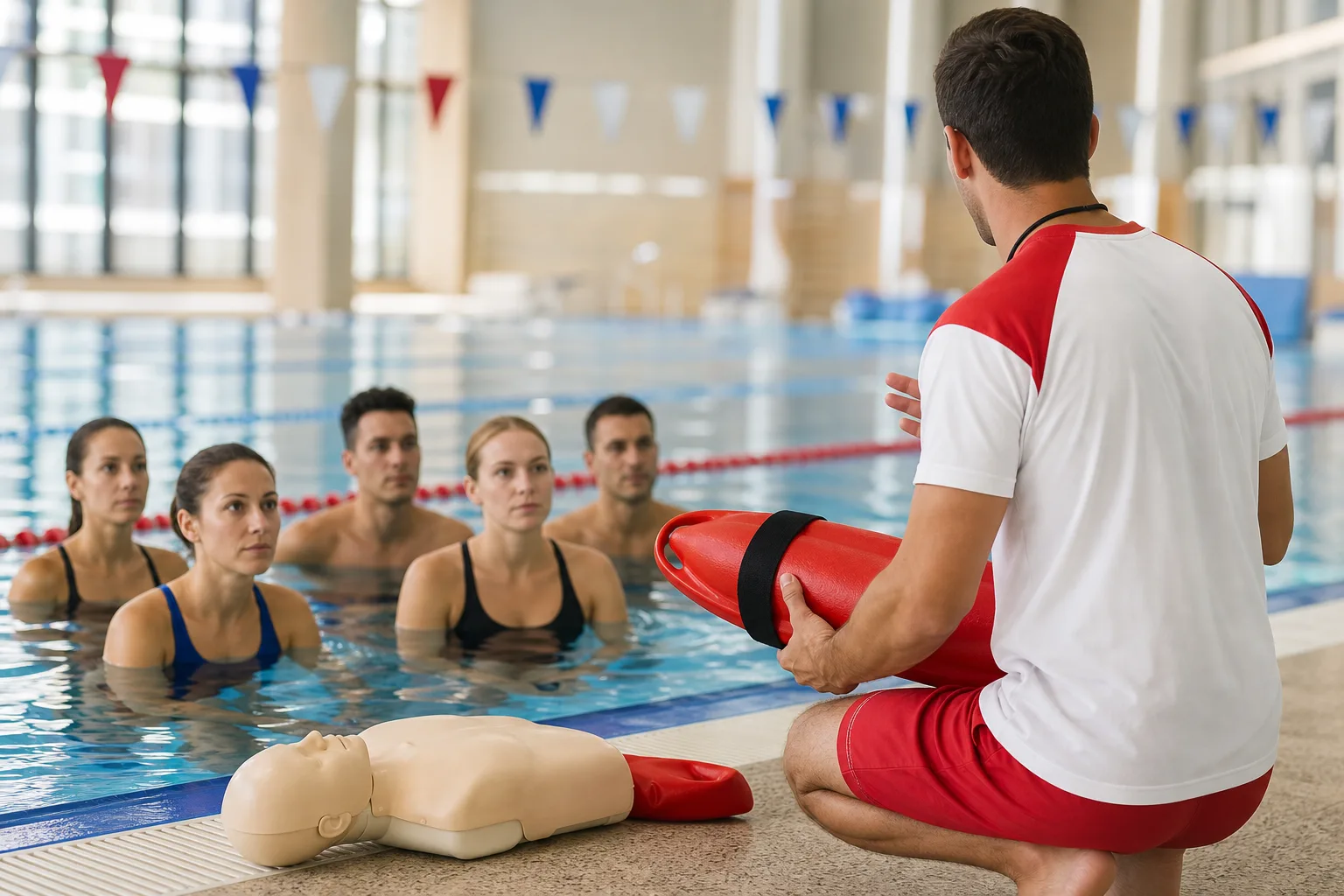
With over 70 kilometres of coastline and hundreds of hotel pools, water parks, and beach clubs, Dubai requires certified lifeguards at virtually every aquatic venue. The supply of qualified trainers has not kept pace with rapid infrastructure growth, leaving a commercially viable gap for new entrants.
Tourism Growth Fuels Recurring Training Needs
Dubai welcomed more than 17 million international visitors in 2023, and an ambitious urban development pipeline continues to add new resorts and leisure facilities. Regulatory bodies mandate recognised certifications for lifeguards, meaning demand for accredited training providers is both legal and ongoing.
The Right License Covers Full Programme Delivery
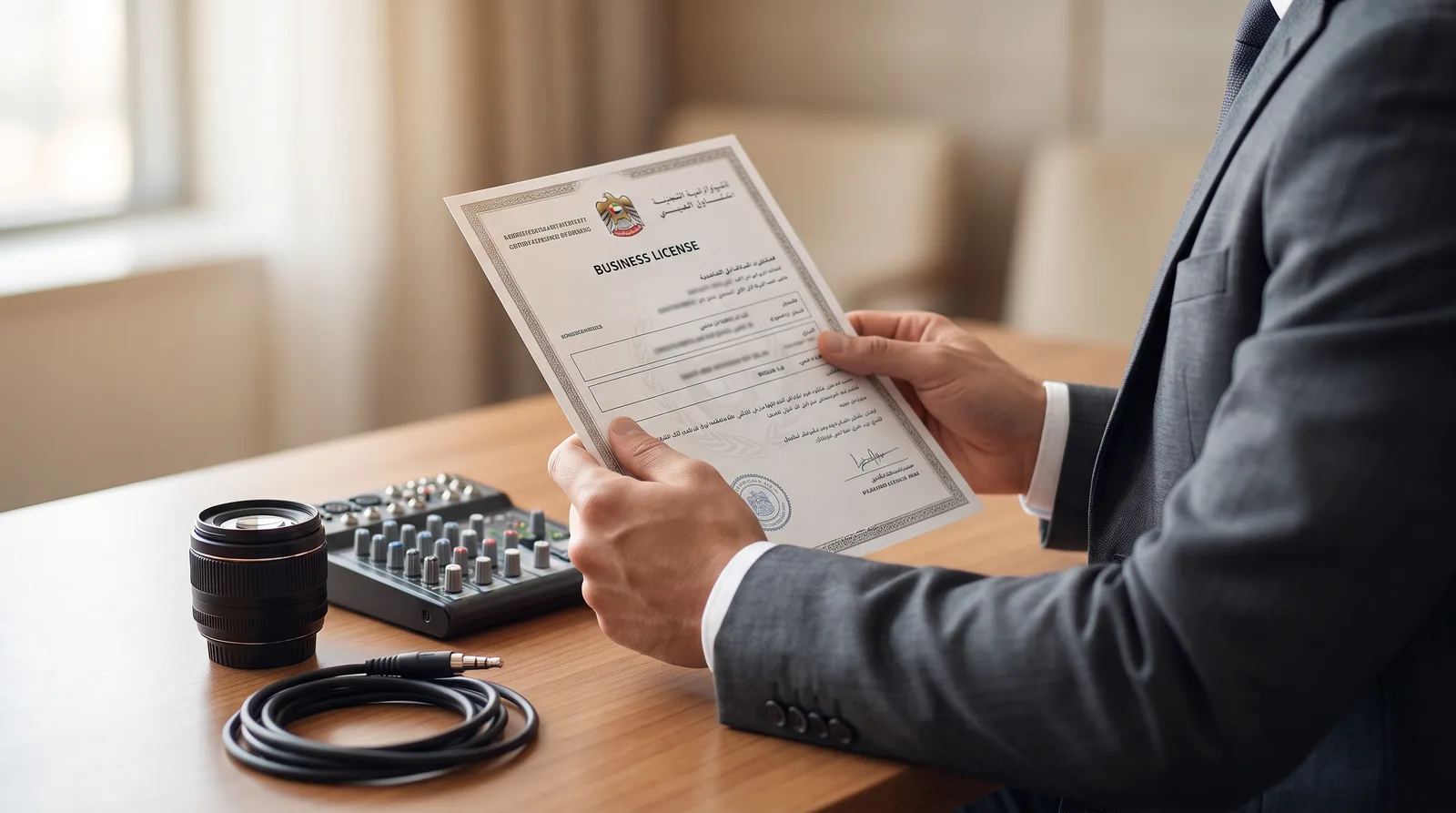
Activity Code 8549.11, issued as a Business License under the Education category, permits holders to deliver lifeguard training, conduct assessments, and issue course completions. Both theoretical instruction and practical aquatic safety modules are covered under a single license.
Dubai South Offers Investor-Friendly Conditions
Setting up at Dubai South Business Hub Free Zone grants 100 per cent foreign ownership, zero personal income tax, and zero corporate tax on qualifying free zone income. License fees start from approximately AED 12,500 per year, with bundled packages available that include investor visas and a registered address.
Multiple Operator Profiles Can Benefit
The license suits qualified swimming coaches, international training academies seeking a UAE foothold, and corporate providers expanding into vocational safety education. Entrepreneurs who partner with internationally recognised awarding bodies are particularly well positioned to attract credible, certification-hungry clients.
Compliance Goes Beyond the Free Zone License
Operators must align with KHDA or relevant emirate-level education authority guidelines and adhere to Dubai Municipality regulations on pool and beach safety standards. Maintaining professional indemnity and public liability insurance is also an essential part of running a compliant training business.
Setup Follows a Clear, Structured Process
The incorporation sequence involves selecting a business activity and trade name, submitting documents for initial approval, securing the license, and arranging a registered office or flexi-desk. Opening a corporate bank account is the final step before operations can begin.
Dubai's coastline stretches for more than 70 kilometres, and the emirate is home to hundreds of hotel pools, water parks, beach clubs, and marina facilities. Every one of those venues requires certified lifeguards, yet the supply of qualified trainers has not kept pace with rapid infrastructure growth. For entrepreneurs with a background in aquatic safety or vocational education, this gap represents a commercially sound opportunity. Establishing a lifeguard training business at Dubai South Business Hub Free Zone gives you a structured, compliant route into one of the Gulf's most in-demand education sectors.
Why Dubai Is Well-Positioned for Lifeguard Training
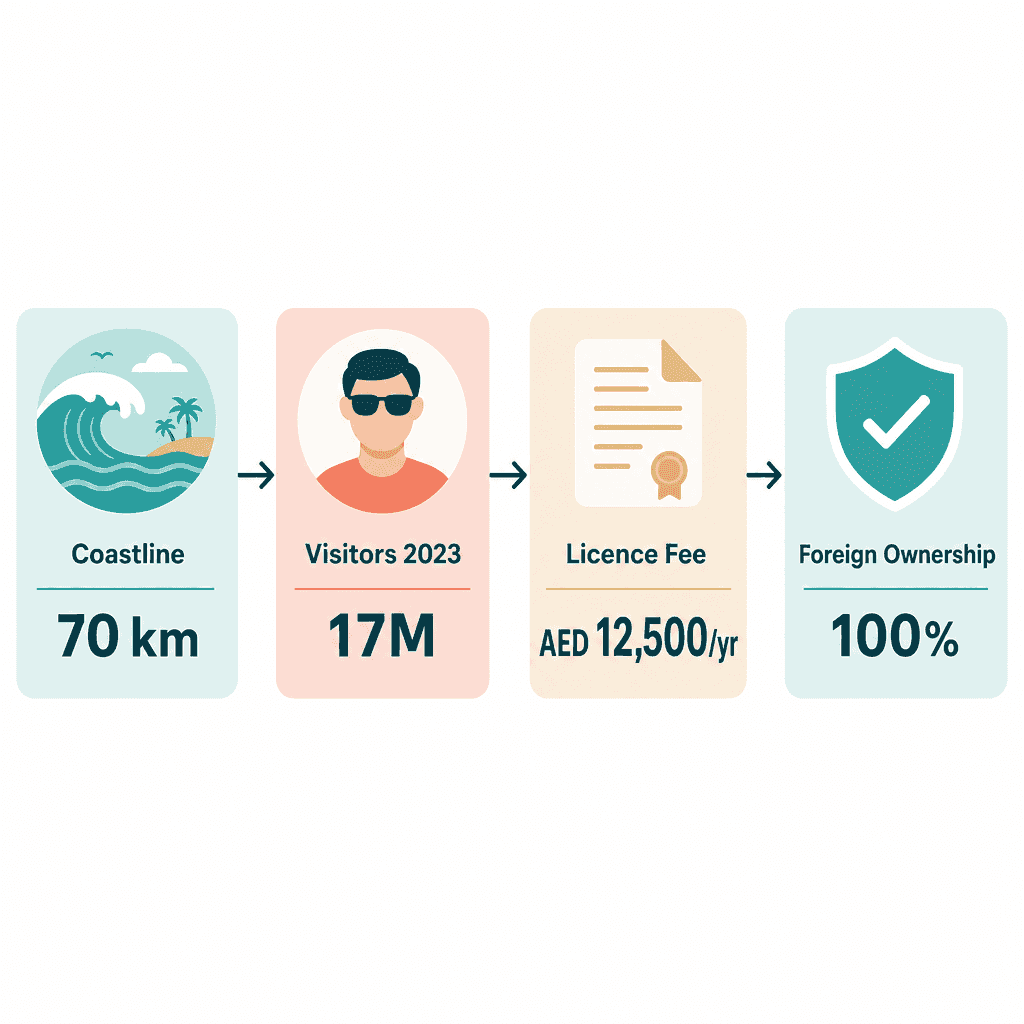
The UAE's tourism sector attracted more than 17 million international visitors to Dubai in 2023, a figure that continues to rise. Alongside tourism, the country's ambitious urban development pipeline includes dozens of new residential communities, resorts, and leisure facilities, all of which are legally required to employ trained aquatic safety personnel. Regulatory bodies across the emirate mandate that lifeguards hold recognised certifications, creating a recurring demand for accredited training providers.
Dubai South itself is a master-planned city centred around Al Maktoum International Airport, one of the largest aviation hubs under development globally. The Business Hub Free Zone within Dubai South offers 100 per cent foreign ownership, zero personal income tax, and streamlined licensing procedures, making it an attractive base for specialist education and training businesses.
The License: What It Covers and Who It Suits
The relevant activity falls under ISIC Activity Code 8549.11, classified within the Education category and issued as a Business License. This license permits the holder to deliver lifeguard training programmes, conduct assessments, and issue course completions to candidates. It covers both theoretical instruction and practical aquatic safety modules.
This license is particularly well suited to:
Qualified swimming coaches and aquatic safety professionals seeking to commercialise their expertise
International training academies looking to establish a UAE presence
Corporate training providers expanding into vocational and safety education
Entrepreneurs partnering with accredited certification bodies to deliver recognised programmes
Setup Costs and Steps
Setting up at Dubai South Business Hub Free Zone involves a clear sequence of steps. The process typically begins with selecting your business activity and trade name, followed by submitting incorporation documents and obtaining initial approval. You then secure your Business License, arrange a registered office or flexi-desk within the free zone, and open a corporate bank account.
Estimated setup costs vary depending on visa requirements and office configuration, but license fees at Dubai South Free Zone start from approximately AED 12,500 per year for a standard business license. Visa packages and facility upgrades are priced separately. Many providers offer bundled packages that include the license, one or two investor visas, and a registered address.
Licensing and Compliance Requirements
Beyond the free zone license, operators delivering lifeguard training in the UAE should be aware of the following compliance considerations:
Alignment with the Knowledge and Human Development Authority (KHDA) or relevant emirate-level education authority guidelines where applicable
Partnerships with internationally recognised awarding bodies to ensure certification credibility
Adherence to Dubai Municipality regulations governing pool and beach safety standards
Maintaining appropriate professional indemnity and public liability insurance
Key Stats at a Glance
Activity Code: 8549.11
License Type: Business License
Category: Education
Free Zone: Dubai South Business Hub
Foreign Ownership: 100 per cent permitted
Corporate Tax Rate: 0 per cent on qualifying free zone income
Dubai International Visitors (2023): 17 million+
Estimated License Fee: From AED 12,500 per year
Conclusion
A lifeguard training business in Dubai addresses a genuine regulatory need, benefits from a growing tourism and real estate market, and can be established efficiently through Dubai South Business Hub Free Zone. With 100 per cent foreign ownership, a straightforward licensing process under Activity Code 8549.11, and a city that continues to invest in aquatic leisure infrastructure, the conditions for a profitable training operation are firmly in place. If you are ready to take the next step, speak with a business setup specialist at Dubai South to begin your application and receive a tailored cost proposal.
Related Activities
Frequently Asked Questions