Start a Textile Trading Business in Dubai
Topic Summary
Why Dubai Dominates Global Textile Trade
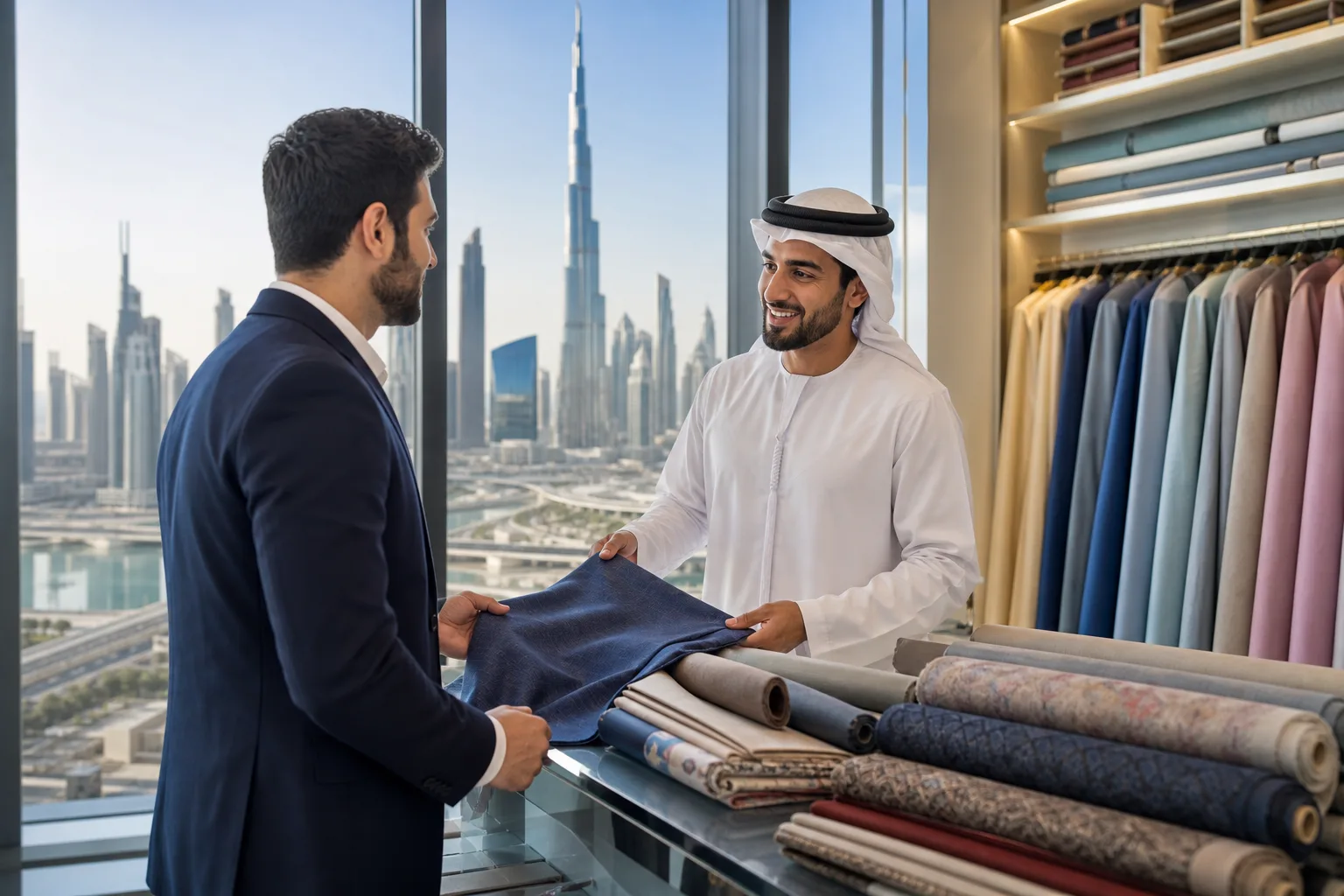
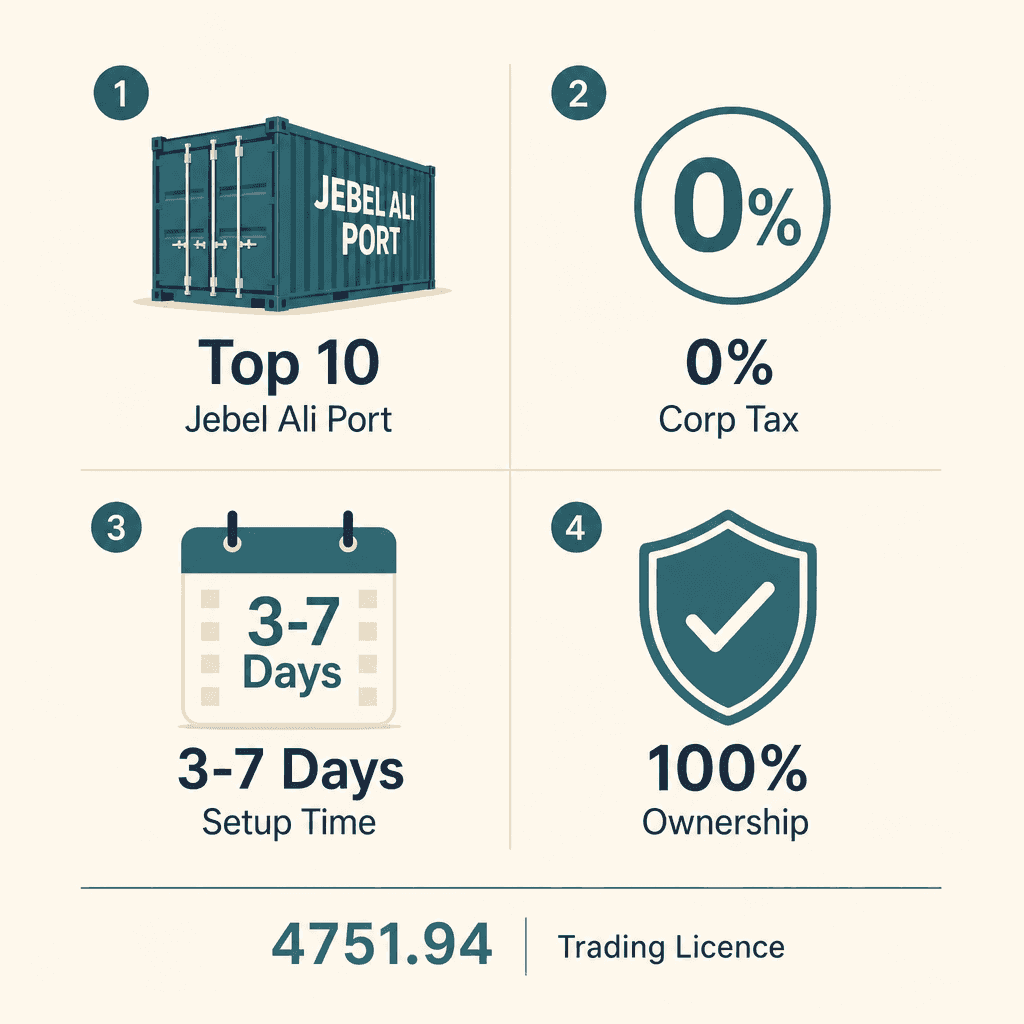
Dubai's position near key sourcing markets like India, China, Bangladesh, and Turkey gives traders a significant logistics and cost advantage. Jebel Ali Port, one of the world's ten busiest container ports, ensures fast and efficient movement of goods across the region.
100% Foreign Ownership With Zero Income Tax
Setting up in a Dubai free zone such as Dubai South Business Hub allows international investors to retain full ownership of their company. Qualifying free zone businesses also benefit from 0% corporate tax, making it a highly attractive structure for textile traders.
Understand What Activity Code 4751.94 Covers
This trading license permits the buying and selling of a wide range of textile products, including woven fabrics, yarn, thread, household linens, and curtain fabrics. It does not cover manufacturing or garment finishing, which require a separate industrial license.
Get Licensed in as Few as Three Days
The typical setup timeline for a textile trading license at Dubai South Business Hub is just three to seven working days. The process involves confirming your activity code, reserving a trade name, and submitting the required documentation.
Ideal Business Profiles for This License
The license suits a wide range of operators, from fabric wholesalers and international importers to e-commerce sellers trading in yarn or household textiles. It is also a strong fit for existing textile businesses looking to establish a regional hub for GCC and Middle East distribution.
Dubai as a Re-Export Gateway to Multiple Markets
Textiles consistently rank among the UAE's top non-oil re-export categories, reflecting Dubai's role as a bridge between Asian manufacturers and buyers in Africa, Europe, and the broader Middle East. Duty-free access under various trade agreements further strengthens the commercial case for basing operations there.
Dubai has long been one of the world's most active hubs for textile trade, connecting manufacturers across Asia, Africa, and Europe with buyers throughout the Middle East and beyond. With a strategic location, world-class logistics infrastructure, and a business environment designed to attract international investors, the emirate offers genuine commercial opportunity for entrepreneurs looking to enter the fabric and textile market. Whether you are sourcing woven goods, synthetic fibres, or finished textiles for re-export, establishing a textile trading company in Dubai is a well-trodden and commercially sound path.
This guide covers everything you need to know about setting up a textile trading business under activity code 4751.94 at Dubai South Business Hub Free Zone, including license details, setup costs, compliance requirements, and the market context that makes Dubai such a compelling location.
Why Dubai for Textile Trading?
The UAE textile and apparel market continues to grow, supported by a combination of domestic demand and the country's role as a re-export gateway. Dubai handles a significant share of the region's textile imports and re-exports, with goods flowing through Jebel Ali Port, one of the ten busiest container ports in the world. The emirate's proximity to key sourcing markets in India, China, Bangladesh, and Turkey, combined with duty-free access under various trade agreements, gives textile traders a meaningful cost and logistics advantage.
The UAE's non-oil foreign trade reached record levels in recent years, and textiles remain a consistently important category within that trade. Dubai's free zones, in particular, offer foreign investors 100% ownership, zero personal income tax, and simplified customs procedures, making them the preferred choice for international trading businesses.
Key Stats at a Glance
Activity Code: 4751.94 - Retail sale of textiles in specialised stores
License Type: Trading License
Free Zone: Dubai South Business Hub
Foreign Ownership: 100% permitted
Corporate Tax: 0% on qualifying free zone income
UAE textile re-exports: consistently among the top non-oil trade categories
Jebel Ali Port: ranked among the world's top 10 busiest container ports
Typical license setup timeline: 3 to 7 working days
What the Textile Trading License Covers
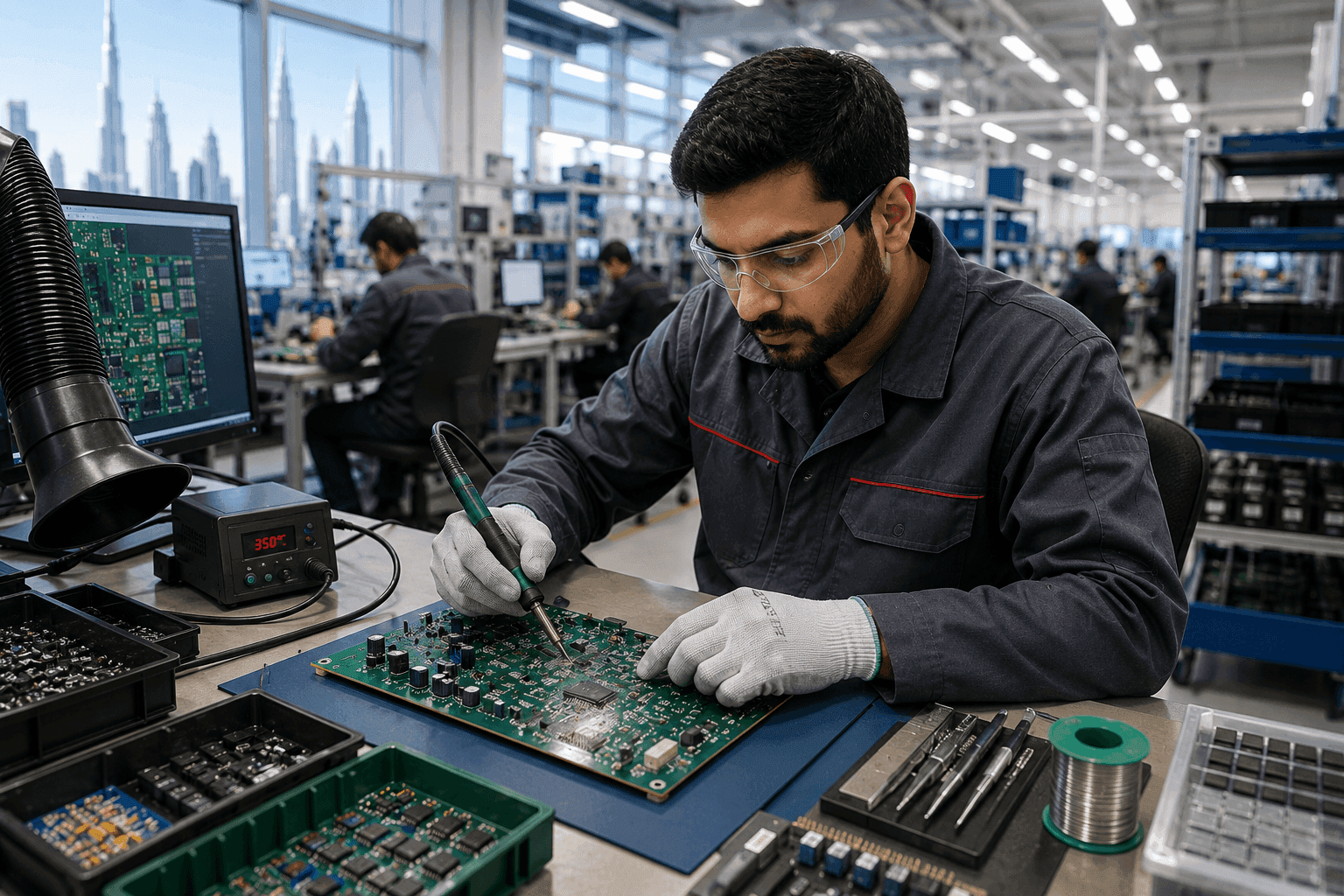
Under activity code 4751.94, a textile trading license permits the holder to buy and sell textiles through specialised trading channels. This includes a broad range of products such as woven and knitted fabrics, yarn, thread, embroidery materials, curtain fabrics, household linens, and related textile goods. The license is categorised under trading activities and is well suited to businesses that import, stock, and distribute or re-export textile products across the region.
Importantly, this license does not cover manufacturing or processing activities. Businesses that wish to cut, finish, or transform raw textiles into garments would require a separate industrial or manufacturing license.
Who Is This License Suited To?
The textile trading license at Dubai South Business Hub is particularly well suited to the following profiles:
International textile importers looking to distribute across the GCC and wider Middle East
Fabric wholesalers seeking a re-export base with efficient customs clearance
Entrepreneurs sourcing textiles from Asia for onward sale to African or European markets
Existing textile businesses looking to establish a UAE presence for regional expansion
E-commerce operators trading in fabric, yarn, or household textile goods
Setup Costs and Steps
Setting up a textile trading business at Dubai South Business Hub involves a straightforward process. Below is a general overview of the steps and associated costs.
Step | Description |
|---|---|
1. Choose your business activity | Confirm activity code 4751.94 and trading license category |
2. Select a company name | Reserve a trade name in line with UAE naming conventions |
3. Submit documentation | Provide passport copies, visa details, and business plan if required |
4. Pay license fees | License fees vary; entry-level packages at Dubai South start from competitive rates |
5. Receive license and visa eligibility | License issued, typically within 3 to 7 working days |
License fees at Dubai South Business Hub are structured to be accessible for small and medium-sized enterprises. Costs typically include the trading license fee, registration fee, and any applicable visa allocation charges. Flexi-desk and virtual office options are available for businesses that do not require a dedicated physical warehouse from day one.
Licensing and Compliance Requirements
Operating a textile trading business in a UAE free zone requires adherence to a clear set of compliance obligations:
Annual license renewal to maintain good standing with the free zone authority
Compliance with UAE customs regulations for import and re-export of textile goods
Registration for VAT if annual taxable supplies exceed AED 375,000
Adherence to UAE consumer protection and labelling standards where applicable
Maintenance of proper trade documentation including invoices, packing lists, and certificates of origin
Free zone companies trading into the UAE mainland may need to appoint a local distributor or establish a separate mainland entity, depending on the nature and volume of their sales.
Facility Requirements
One of the advantages of setting up at Dubai South Business Hub is the flexibility of facility options. Textile traders can begin with a flexi-desk or shared office arrangement, which satisfies the registered address requirement for the license. As the business grows, operators can upgrade to dedicated office space or warehousing facilities within the free zone, which is particularly useful for businesses holding physical stock prior to distribution or re-export.
Get Started
Use the cost calculator for a tailored quote.
Verify your business name with the company name check.
Browse the full business activities directory.
Get in touch to start your application.
Frequently Asked Questions