German Machinery Suppliers Selling Into the Gulf: Company Options, Cost and Timing
Topic Summary
What Is a Trade Route for German Machinery Suppliers Selling Into the Gulf
A trade route for german machinery suppliers selling into the gulf means forming a free zone company that holds a trading license, imports or re-exports equipment through Jebel Ali or Al Maktoum, and clears goods under Federal Decree-Law No. 47 of 2022's VAT and customs framework.
Choosing a Dubai Company for German Founders
Choosing a Dubai Company for German Founders
Understanding Customs and Tax Rules for Machinery Imports
Machinery imports fall under Federal Decree-Law No. 47 of 2022, which sets 9% corporate tax above AED 375,000 profit and 5% VAT above the mandatory threshold. The FTA administers customs declarations and tax filings for free zone trading companies.
Setting Up Residency for Your Gulf Trading Operation
Residency for a DSBH company links directly to the trade license: the ICP (Federal Authority for Identity, Citizenship, Customs and Port Security) issues entry permits, the GDRFA (General Directorate of Residency and Foreigners Affairs) handles status change and medical clearance, and founders collect an Emirates ID once the visa stamp completes, typically within two to three weeks.
5 Steps to Launch Your Gulf-Facing Trading Company
Launching a Gulf trading company involves five steps: choose activity and license type, reserve a trade name, submit shareholder documents, secure warehousing near Al Maktoum or Jebel Ali, then apply for residency, a process most founders complete within two to three weeks.
Managing German Tax Obligations Before You Move
German founders relocating a machinery business must notify the Finanzamt of departure and assess exposure to German exit tax on unrealised gains in shares over certain thresholds, even while operating a UAE trading company for Gulf sales.
In 2026, over 55,000 new free zone licenses were issued across Dubai in a single year, according to Dubai Chamber data [1]. A rising share of that figure belongs to German industrial exporters looking to sell machinery into Saudi Arabia, Oman, and the wider Gulf. If you're one of the german machinery suppliers selling into the gulf, you've probably noticed buyers now expect local invoicing, not a Frankfurt-based supplier they've never met. This guide walks through the structure: license type, tax treatment under Federal Decree-Law No. 47 of 2022, warehousing near Jebel Ali, residency steps through the ICP and GDRFA, and what the Finanzamt back home expects once you go.
What Is a Trade Route for German Machinery Suppliers Selling Into the Gulf
A trade route for german machinery suppliers selling into the gulf means forming a free zone company that holds a trading license, imports or re-exports equipment through Jebel Ali or Al Maktoum, and clears goods under Federal Decree-Law No. 47 of 2022's VAT and customs framework.
Why Gulf Buyers Want a Local Entity
Gulf contractors don't want to wait six weeks for a wire transfer to Munich. A local entity lets you invoice in AED, hold spare parts on-site, and answer a warranty claim in days rather than shipping a technician from Stuttgart. That trust factor alone often decides who wins the tender.
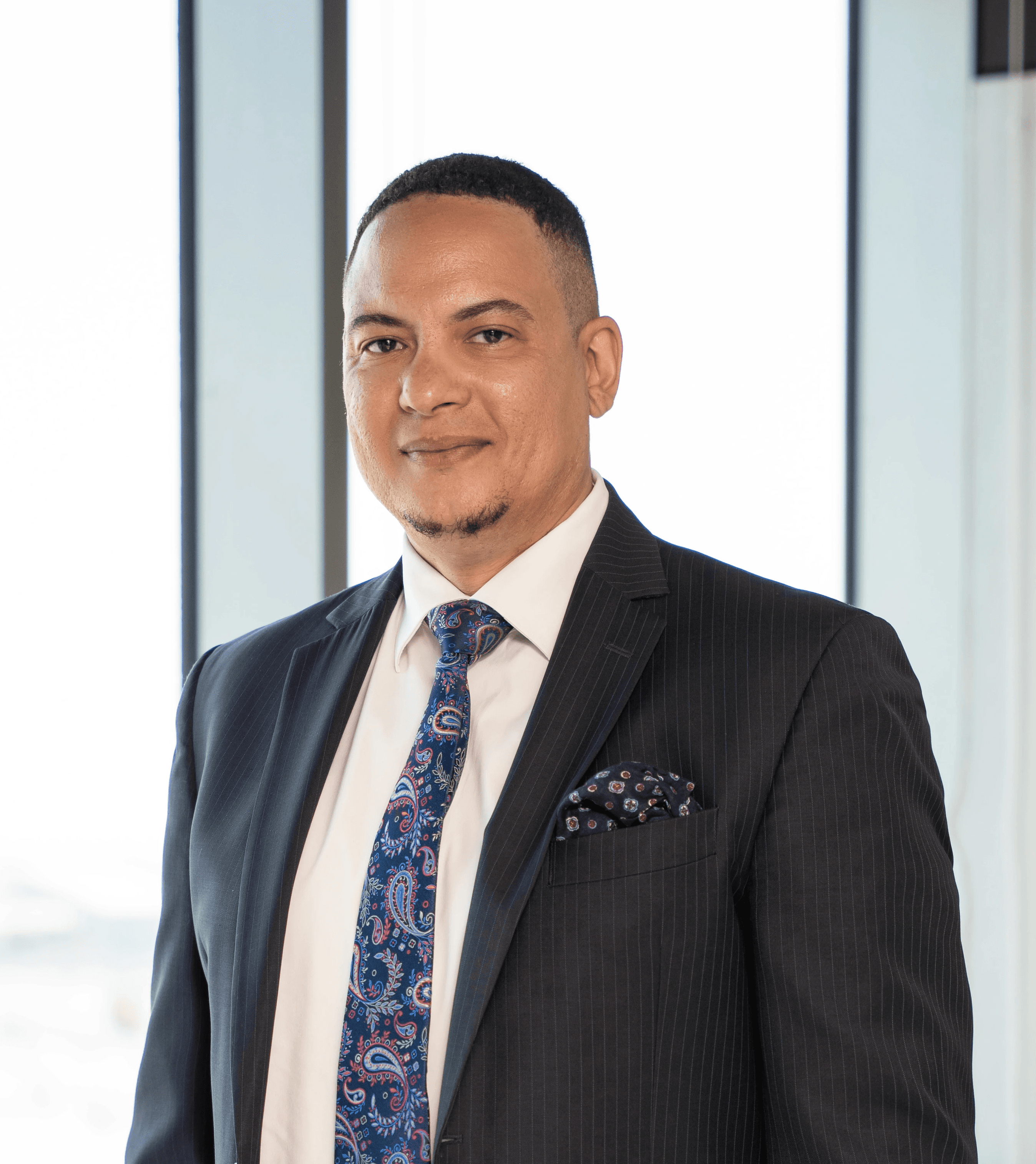
One Bavarian pump manufacturer opened a Dubai South Business Hub (DSBH) entity specifically to invoice a Saudi contractor in AED, and it cut payment delays that had previously stretched past 90 days. With 55,000 new free zone licenses issued in a single year, you're not the only German exporter making this move [1].
Trade vs Re-Export Structures
Trade licenses cover buy-sell activity fully within the UAE market.
Re-export uses bonded warehousing to reach Oman, Saudi Arabia, or Qatar without paying UAE import duty twice.
Your choice depends entirely on where the end customer sits.
A machine-tool exporter we've seen re-exports through Jebel Ali bonded storage into Oman this way.
Trade License Setup: Key Facts for German Machinery Exporters
Feature | Requirement | Detail |
|---|---|---|
License type | Covers import, export, distribution of machinery and parts | |
Corporate tax | 9% above AED 375,000 | Set under Federal Decree-Law No. 47 of 2022 |
VAT | 5% above mandatory threshold | Administered by the FTA (Federal Tax Authority) |
Setup timing | 2-3 weeks | Includes license, name reservation, documents |
Warehousing | Near Al Maktoum or Jebel Ali | Bonded storage supports re-export without double duty |
Residency | ICP permit, GDRFA change, Emirates ID | Tied to the trading license validity period |
Choosing a Dubai Company for German Founders
A dubai company for german founders selling machinery typically takes a trading license with a general trading or industrial equipment activity, single or multi-shareholder structure, and 100% foreign ownership under a DSBH free zone setup.
Picking the Right License Activity
Your activity code has to match what you're actually selling. A hydraulics supplier we've worked with registered under a trading activity code that covers both spare parts and full units, saving them from needing two separate licenses. Explore the full list of business activities before you file, since the code you pick determines what customs will accept on your declarations later.
Ownership and Shareholder Rules
Free zone structure allows a single foreign shareholder, no local partner needed.
Corporate shareholders are permitted with parent company documents attached.
There's no local sponsor requirement at all under this structure.
A founder from Cologne set his GmbH as the sole shareholder of his new Dubai trading entity.
Understanding Customs and Tax Rules for Machinery Imports
Machinery imports fall under Federal Decree-Law No. 47 of 2022, which sets 9% corporate tax above AED 375,000 profit and 5% VAT above the mandatory threshold. The FTA administers customs declarations and tax filings for free zone trading companies.
VAT and Corporate Tax Basics
Here's the thing worth flagging: qualifying free zone income can retain a preferential rate under certain conditions, but that depends on your specific activity and whether you trade with mainland UAE customers or purely re-export. A Hamburg-based founder running a compressor trading business budgeted for 9% corporate tax on profit above AED 375,000, plus 5% VAT collected on local sales, and found the math still beat comparable German corporate rates by a wide margin.
Filing Customs Declarations
The FTA oversees ongoing tax compliance while customs authorities process physical entry.
Bonded warehousing near Jebel Ali defers duty until goods actually leave storage.
Documentation needed includes a certificate of origin and a commercial invoice.
A crane parts distributor filed declarations through Dubai Trade's portal to clear a shipment at Jebel Ali port.
Is a Free Zone Trading License Worth It for Machinery Exports?
Yes, for most German machinery suppliers selling into the gulf, because local invoicing and bonded warehousing usually offset the setup cost within one or two shipment cycles.
Setting Up Residency for Your Gulf Trading Operation
Residency for a DSBH company links directly to the trade license: the ICP (Federal Authority for Identity, Citizenship, Customs and Port Security) issues entry permits, the GDRFA (General Directorate of Residency and Foreigners Affairs) handles status change and medical clearance, and founders collect an Emirates ID once the visa stamp completes, typically within two to three weeks.
Step 1: Entry Permit via ICP
The ICP issues the initial entry permit shortly after your license gets approved. This applies to you as founder and to any dependents you're bringing along. Processing usually takes a few working days once the license file is complete.
Step 2: Status Change With GDRFA
The GDRFA handles medical testing and status adjustment once you're inside the UAE.
Emirates ID application follows immediately after that clearance.
Your residency visa stays tied to the license's validity period.
A founder from Stuttgart finished medical testing and GDRFA status change within four working days of arrival.
For document handling and government liaison during this stage, business support services can save you several trips to government offices.
5 Steps to Launch Your Gulf-Facing Trading Company
Launching a Gulf trading company involves five steps: choose activity and license type, reserve a trade name, submit shareholder documents, secure warehousing near Al Maktoum or Jebel Ali, then apply for residency, a process most founders complete within two to three weeks.
Step 1: Select License Activity
Match your machinery category to the correct trading activity code.
Confirm early whether re-export applies to your customer base.
Check the activity list covers both units and spare parts.
Step 2: Reserve Trade Name and Submit Documents
Passport copies and parent company documents get submitted together.
A corporate shareholder needs a board resolution attached.
Name reservation typically clears within one to two working days.
Step 3: Arrange Warehousing Near Al Maktoum or Jebel Ali
Bonded storage supports your re-export flows into neighbouring Gulf states.
Proximity to port and airport cuts logistics time meaningfully.
A conveyor equipment supplier chose warehousing near Al Maktoum for faster air-freight consolidation.
Step 4: Apply for Residency and Emirates ID
Start with an ICP entry permit, then move to GDRFA status change.
Emirates ID gets issued after biometrics are captured.
Budget two to three weeks for the whole residency cycle.
Once your activity and license type are settled, run the numbers through the cost calculator to see the full setup cost before you commit.
Managing German Tax Obligations Before You Move
German founders relocating a machinery business must notify the Finanzamt of departure and assess exposure to German exit tax on unrealised gains in shares over certain thresholds, even while operating a UAE trading company for Gulf sales.
Notifying the Finanzamt
Deregistration filing is required the moment you leave German tax residency. Any ongoing German-source income, say, rental property back home, still needs reporting even after you've relocated. A founder from Düsseldorf handled this by filing deregistration paperwork before his flight and kept a tax advisor on retainer for the first filing cycle from Dubai.
German Exit Tax Exposure
Exit tax mainly applies to significant shareholdings above statutory thresholds.
Advance planning avoids a surprise liability landing months later.
Talk to a German tax advisor before transferring shares to a UAE entity.
If you're weighing the full relocation picture, not just the company side, the Moving to Dubai from Germany guide covers what happens to your personal tax residency once you make the switch.
For german machinery suppliers selling into the gulf, the DSBH route combines a trading license, port-side warehousing, and a clear residency path, while German tax duties stay manageable with early Finanzamt planning. If you're ready to move from research to paperwork, check the business activities list that fits your machinery category, then run your numbers through the cost calculator to price your Gulf-facing license today.
References
Frequently Asked Questions