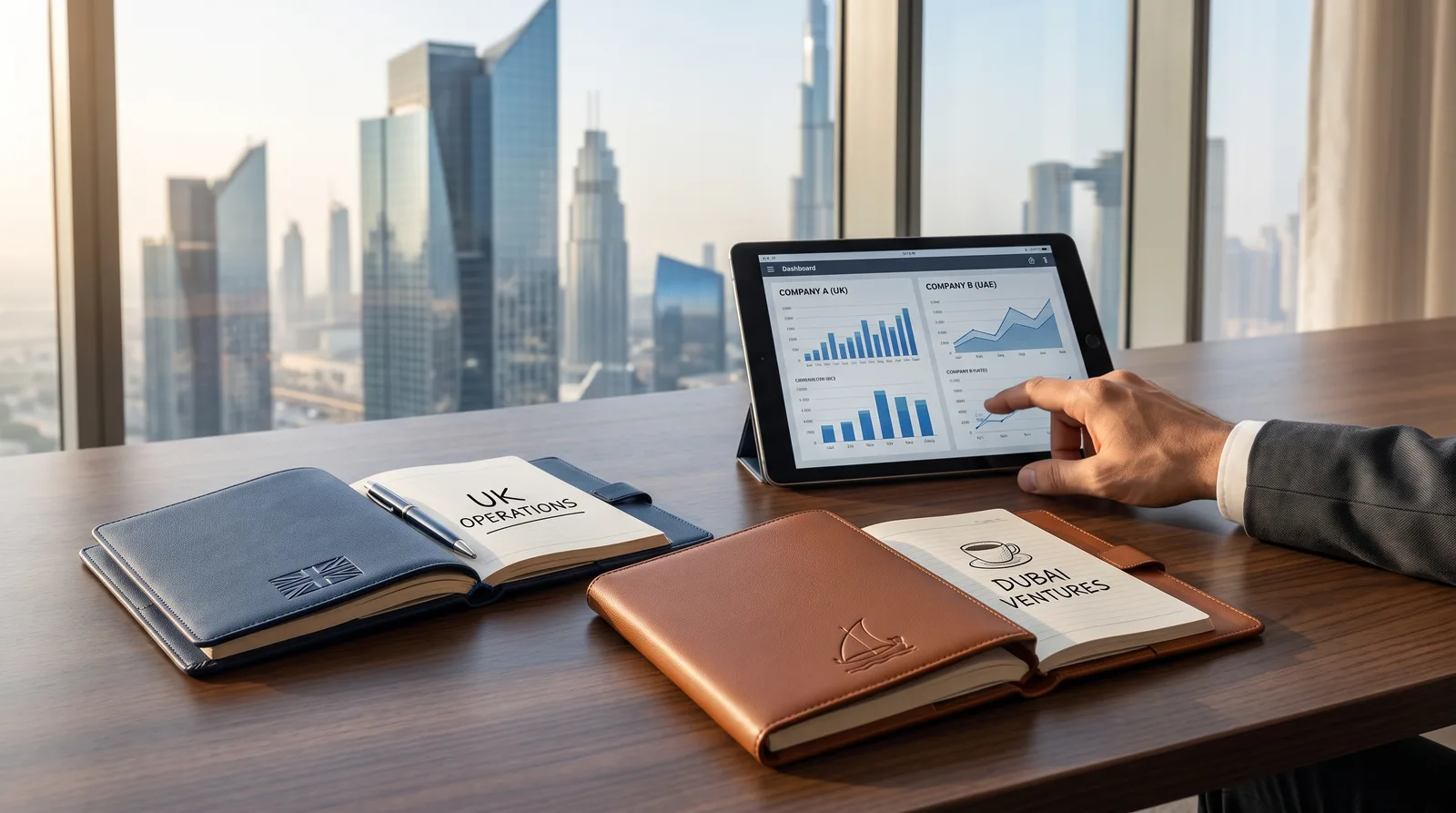
UK Founders Importing Into the Gulf Through Dubai: What to Know and What It Costs

Topic Summary
The Dubai Re-Export Gateway Model
A Dubai South Business Hub license lets UK founders buy goods from British suppliers, clear customs once, and redistribute across Saudi Arabia, Oman and Bahrain under one company structure rather than registering separately in each market.
Match Your License to HS Codes
General or specific trading licenses must list exact HS-code-linked activities because DSBH matches these to customs declarations, and getting them wrong delays clearance and container release.
Add Warehousing Near Jebel Ali or Al Maktoum
Bonded warehousing suits founders holding stock for GCC-wide distribution, while distribution activities near Al Maktoum airport work better for air-freighted samples and smaller SKUs.
Register With the FTA for Customs and Tax
Customs clearance runs through the Federal Tax Authority, which issues an importer code tied to your trade license and enforces corporate tax rules under Federal Decree-Law No. 47 of 2022.
Keep VAT and Customs Filings Aligned
VAT registration becomes mandatory once taxable supplies cross the set threshold, so founders should register promptly to avoid late-registration penalties from the Federal Tax Authority.
Navigate Visa and Residency Steps
Setting up residency involves an entry permit through ICP, stamping via GDRFA, and finally an Emirates ID card, forming the standard pathway for founders relocating to run their Dubai company.
Watch Your UK Tax Residency Status
British founders must track HMRC's Statutory Residence Test carefully, since time spent in the UK versus Dubai affects whether they remain UK tax resident despite running a Gulf-based business.
UK founders importing into the Gulf through Dubai means registering a Dubai South Business Hub company to buy goods from British suppliers, clear them through UAE customs, and re-export or distribute across the GCC. It combines a trade license, a customs code, and warehousing near Jebel Ali or Al Maktoum. This route has grown as UK-UAE non-oil trade keeps climbing toward record highs, giving British founders a practical bridge into Saudi Arabia, Oman, and Bahrain without setting up separately in each market.
The Trade and Re-Export Route Explained
Picture a Manchester homeware brand shipping containers via Jebel Ali, then re-exporting to distributors in Riyadh and Muscat. That's the model most UK founders importing into the Gulf through Dubai actually run. Dubai isn't always the final market, it's the gateway. A Dubai South Business Hub (DSBH) license lets you buy in the UK, clear customs once, and redistribute across the GCC under one company structure.
Why British Founders Choose This Structure
Time zone overlap makes calls with UK suppliers easy.
Direct flights from Heathrow to Dubai run several times daily.
Jebel Ali port and Al Maktoum cargo terminal sit minutes apart.
One license can cover multiple trading activities.
A founder shipping electronics samples weekly from Heathrow to Dubai South saves on courier costs compared with shipping direct to each Gulf country separately. That's the practical appeal for founders starting a company aimed at re-export rather than local retail.
Choosing the Right License and Activities for a Dubai Company for British Founders
A Dubai company for British founders doing trade or re-export needs a general or specific trading license listing exact HS-code-linked activities, since DSBH matches license activities to customs declarations. Getting activities wrong delays customs clearance and container release.
Trading Activity Codes That Matter
General trading covers a broad product range.
Specific trading suits founders focused on one category.
Activities can be amended as your product range grows.
A founder starting with furniture trading often adds electronics accessories once volumes justify it. Review the full business activities list before applying, and consider the dedicated trading business license if re-export is your core plan.
Warehousing and Logistics Activity Add-Ons
Storage and fulfilment activities can sit alongside a trading license. Bonded warehousing near Jebel Ali suits founders holding stock before GCC-wide distribution, while distribution activities near the Al Maktoum airport cargo terminal suit air-freighted samples and smaller SKUs.
Key Facts: UK Founders Importing Into the Gulf Through Dubai
Feature | Requirement | Detail |
|---|---|---|
License type | General or specific trading | Must match HS codes of imported goods |
Customs registration | FTA importer code | Linked directly to the trade license number |
Tax framework | Federal Decree-Law No. 47 of 2022 | Governs corporate tax registration and filing |
Residency steps | ICP, GDRFA, Emirates ID | Entry permit, stamping, then ID card |
UK tax link | HMRC SRT test | Determines ongoing UK residency status |
Warehousing zones | Jebel Ali, Al Maktoum | Sea and air cargo access minutes apart |
Customs, Tax and Compliance for UK Founders Importing Into the Gulf Through Dubai
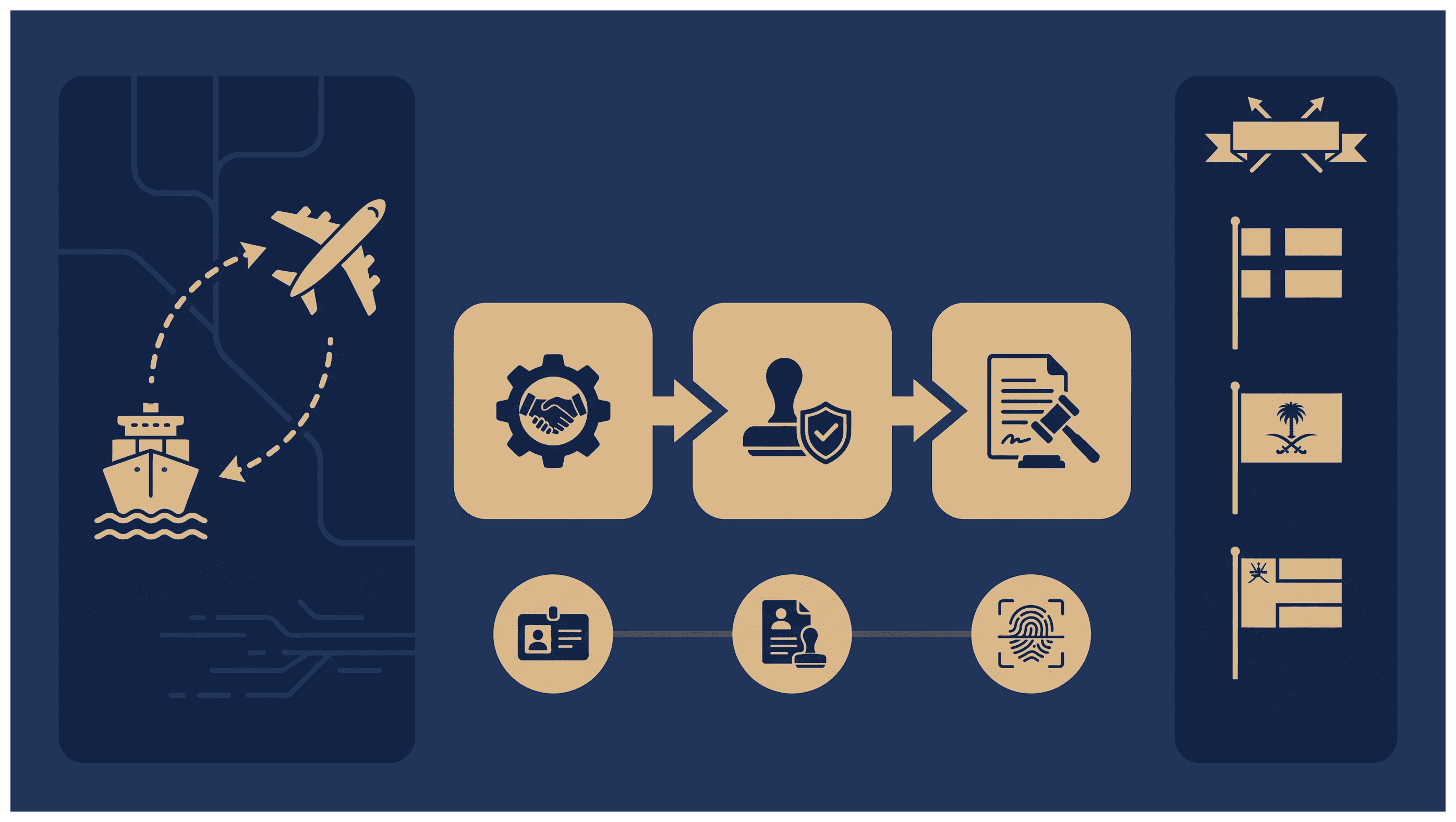
Customs clearance runs through the Federal Tax Authority (FTA), which issues the importer code linked to your trade license and enforces Federal Decree-Law No. 47 of 2022 on corporate tax. Correct HS codes, invoices, and UK certificates of origin speed clearance at Jebel Ali port and the Al Maktoum cargo terminal.
Registering With the FTA
Corporate tax registration follows Federal Decree-Law No. 47 of 2022.
VAT registration applies once taxable supplies cross the mandatory threshold.
Customs and tax records should stay aligned in one filing calendar.
A founder often registers for VAT the moment import volumes cross that threshold, avoiding late-registration penalties from the Federal Tax Authority.
Import Documentation Checklist
A certificate of origin and commercial invoice from the UK supplier are non-negotiable. Declarations go through the Dubai Trade portal, and working with a customs broker at Jebel Ali cuts delays sharply. A shipment of tools with correct paperwork clears same-day; the same shipment missing a certificate of origin can sit for a week.
Is business setup in Dubai from UK worth it for small trading volumes?
Yes, if you plan repeat shipments. One license covers multiple product lines, and warehousing near Jebel Ali cuts per-shipment freight costs over time.
Steps to Launch Business Setup in Dubai From UK
Business setup in Dubai from UK for trade and re-export follows five ordered steps: pick trading activities, submit incorporation documents, secure the license, register for customs and tax, then arrange warehousing. Most founders complete these within two to three weeks with a DSBH company.
Step 1: Select Trading Activities and Package
Match activities to the goods you'll import.
Choose a license package suited to headcount.
Confirm warehousing needs upfront.
Step 2: Submit Documents and Incorporate
Passport copies and a short business plan.
Memorandum of Association signing.
Founder details verified against activity choice.
Step 3: Register With FTA and Dubai Trade
Apply for a tax registration number.
Link the importer code to the license.
Set up a Dubai Trade portal account.
Step 4: Arrange Warehousing Near Jebel Ali or Al Maktoum
Lease storage matched to stock volume.
Connect a logistics partner for onward GCC delivery.
Confirm bonded storage if re-exporting duty-free.
Founders often reference DP World's Jebel Ali facilities when scoping warehouse capacity ahead of signing a lease.
Setting Up Your Visa and Residency for a Dubai Company for British Founders
Once the license is issued, the International Centre for Population Registration (ICP) processes the entry permit, the General Directorate of Residency and Foreigners Affairs (GDRFA) stamps residency, and founders complete a medical test before receiving the Emirates ID. A DSBH license lets founders sponsor themselves and family members through the same company, a genuine advantage of a Dubai free zone British setup.
Entry Permit and Medical Steps
ICP issues the entry permit first.
Medical fitness test follows within days.
GDRFA stamps residency once results clear.
Many founders complete residency within 10 working days of license issuance, based on typical DSBH processing timelines.
Emirates ID and Family Sponsorship
Once the residency stamp lands, the Emirates ID application follows. Founders can then sponsor a spouse or children on the same license, and residency renews on a fixed cycle tied to the license term. Check the GDRFA portal for current stamping timelines before booking flights around your setup.
Tax Residency Considerations Back Home
Moving trading activity to Dubai doesn't automatically end UK tax obligations. HM Revenue and Customs (HMRC) applies the Statutory Residence Test (SRT) to determine whether a founder remains UK tax resident based on day counts and ties, so founders should track time spent in the UK carefully.
How the SRT Test Works
Day-count thresholds set the automatic tests.
Ties tests cover family, work, and accommodation.
Split-year treatment can apply mid-relocation.
A founder splitting under 90 days a year in the UK stands a stronger chance of breaking tax residency, though every case depends on individual ties.
Coordinating UK and UAE Filings
Keep HMRC self-assessment current during the transition year, even if trading profits now sit under a Dubai company. Coordinating both filings avoids double taxation on the same trading income, and working with a UK-UAE cross-border adviser saves headaches later.
Costs to Budget for a Dubai Free Zone British Business
A Dubai free zone British trading setup typically covers license fees, visa costs, warehousing rent near Jebel Ali, and customs registration charges. Total first-year outlay varies by activity count, headcount, and storage size, so founders should model costs before committing to a package.
License and Visa Cost Breakdown
Base license fee scales with the number of activities added.
Per-visa cost includes medical testing and Emirates ID.
Renewal fees recur annually, so budget ahead.
Run your own numbers on the cost calculator before signing a package, since headcount changes the total fast.
Warehousing and Freight Costs
Warehouse rent near Jebel Ali is charged per square metre, and freight forwarding fees from UK ports add another line item most founders underestimate. Bonded storage carries a surcharge worth checking before you sign a 12-month lease, particularly if you're comparing pallet storage rates across a few facilities first.
UK founders importing into the Gulf through Dubai gain a fast route to GCC markets once the license, customs registration, and warehousing near Jebel Ali or Al Maktoum are properly aligned. Getting the activity codes right the first time saves weeks of customs delays later.
Explore Business Activities or run the numbers on the Cost Calculator to set up or buy a license today.
References
Frequently Asked Questions