Topic Summary
One License Covers Dozens of Product Categories
A general trading license in Dubai can cover 20 or more product codes, including electronics, textiles, food products, and consumer goods. This eliminates the need to hold multiple specific licenses when trading across different product lines.
Free Zone Licenses Start at AED 12,500
Free zone general trading licenses are available from AED 12,500, making them one of the more accessible entry points for new businesses. Free zone licenses also allow 100% foreign ownership, which appeals to international founders.
Same-Day Approval Is Available in Dubai South
Dubai South Business Hub offers same-day license approval, significantly cutting setup time for new companies. This makes it a practical choice for founders who want to start trading quickly.
Certain Activities Still Require Separate Licenses
Pharmaceuticals, financial services, alcohol, and real estate brokerage are not covered by a general trading license and each require their own regulated approvals. Founders planning to trade in these categories must factor in additional licensing steps and costs.
Mainland Licenses Unlock the Full UAE Market
A mainland general trading license issued by DET allows direct trade anywhere across the UAE without restrictions on local market access. This is a key advantage over some free zone licenses, which may limit direct mainland sales.
Corporate Tax and VAT Apply to Trading Operations
The UAE corporate tax rate is 9% on taxable income above AED 375,000, and VAT is set at 5% on most goods. Traders should account for both when planning pricing, margins, and annual compliance obligations.
Dubai's Trade Scale Makes Licensing Highly Competitive
Dubai issues over 40,000 new trade licenses each year, and the city's non-oil trade reached AED 2.3 trillion in 2023. The scale of the market and the infrastructure, including the USD 35 billion Al Maktoum Airport expansion, make a general trading license especially valuable for import, export, and re-export businesses.
In 2026, Dubai issues over 40,000 new trade licenses each year, and the general trading license in Dubai ranks among the top 5 most-issued license types. Dubai's non-oil trade hit AED 2.3 trillion in 2023 (u.ae, 2023). Free zone licenses start from AED 12,500. Same-day approval is available at Dubai South Business Hub. The UAE corporate tax rate is 9% on taxable income above AED 375,000 (Federal Tax Authority, 2023). VAT sits at 5% on most goods. Al Maktoum International Airport is undergoing a USD 35 billion expansion (Dubai South, 2024).
This guide covers what a general trading license in Dubai lets you do, which activities it includes, how much it costs, and the exact steps to get approved.
What Is a General Trading License in Dubai and Why It Matters
A general trading license in Dubai lets a company buy, sell, and distribute a wide range of goods under one license. It covers multiple product categories without needing a separate license for each. It is issued by DET for mainland companies or by a free zone authority for free zone firms. For more detail, see our guide on trading company with multiple product categories in Dubai.
How It Differs from a Specific Trading License
A specific trading license covers one product group only. A general trading license covers dozens of product lines under a single approval. Most founders choose it when they plan to sell across more than 2 or 3 categories.
Specific license: covers 1 to 3 product codes
General license: can cover 20 or more product codes
Specific license: lower fee, narrower scope
General license: slightly higher fee, far more flexibility
A founder importing electronics, clothing, and household goods would need 3 separate specific licenses, or one general trading license that covers all 3. One license costs less and takes less time to manage.
Who Should Apply for This License
Founders who import goods from many countries and sell locally or re-export
E-commerce businesses selling across product categories
Entrepreneurs who want to add product lines as their business grows
Companies acting as distributors or wholesalers across mixed product types
An entrepreneur sourcing skincare from South Korea, kitchenware from China, and apparel from Turkey can trade all 3 under one trading license in Dubai. Free zone general trading licenses allow 100% foreign ownership. Mainland licenses issued by DET allow direct trade anywhere in the UAE market.
What Activities Does a General Trading License in Dubai Cover
A general trading license in Dubai covers the import, export, re-export, storage, and sale of a broad range of goods. Permitted categories include electronics, textiles, food products, building materials, machinery, and consumer goods.
Common Product Categories Allowed
Electronics and electrical goods
Textiles, garments, and fashion items
Food and beverage products (subject to food safety rules)
Building materials, hardware, and tools
Machinery, spare parts, and industrial kit
Consumer goods and household products
Cosmetics and personal care items
ISIC Rev.4 classifies wholesale and retail trade under Section G. Most UAE free zones use this framework for activity approvals. A Dubai South Business Hub general trading company can import industrial spare parts from Germany, sell household goods to UAE retailers, and re-export cosmetics to East Africa, all under one license. For more detail, see our guide on foodstuff trading business licence in Dubai. For more detail, see our guide on wholesale trading business licence in Dubai.
Activities That Need a Separate License
Financial services and insurance products, need a separate regulated license from the Central Bank of the UAE
Pharmaceuticals and medical devices, need extra approvals from MOHAP or DHA (mohap.gov.ae)
Alcohol and tobacco, subject to specific distribution permits
Arms, ammunition, and controlled goods, strictly regulated, not covered by a general license
Real estate brokerage, needs a RERA registration separate from any trading license
A trader wanting to distribute both consumer electronics and prescription medicines must hold a general trading license for electronics and a separate MOHAP-approved license for the medicines. Check with your issuing authority before you apply.
How Much Does a General Trading License in Dubai Cost
A general trading license in Dubai costs from AED 12,500 in a free zone such as Dubai South Business Hub, up to AED 50,000 or more on the mainland depending on office size and activity scope.
Free Zone License Fees at a Glance
DSBH free zone general trading licenses start from AED 12,500, with same-day approval available. The license fee covers year one. Renewal is due annually. Visa packages are priced separately.
License fee (year 1) | From AED 12,500 |
|---|---|
Registration fee | Included in package (confirm with DSBH) |
Visa cost | Visa allocations vary by free zone and package. |
Annual renewal fee | Mirrors year-1 license fee |
Office requirement | Flexi-desk available; no dedicated office needed |
Corporate tax rate | 0% on qualifying income – FTA conditions apply (tax.gov.ae) |
A solo founder setting up a general trading company at DSBH can get a license plus one visa package for a total first-year cost well below AED 30,000. Use the business setup cost calculator to price your exact package before you apply.
General Trading License: Free Zone vs Mainland at a Glance
Feature | Free Zone (DSBH) | Mainland (DET) |
|---|---|---|
Foreign ownership | 100% foreign ownership permitted | 100% permitted for most trading activities under Commercial Companies Law reforms |
Market access | International trade, re-export; mainland sales need a licensed distributor | Full UAE domestic market access, direct supply to UAE customers |
Office requirement | Flexi-desk or shared workspace accepted | Physical office with Ejari-registered lease required |
Starting cost | From AED 12,500; total year-1 cost well below AED 30,000 for solo founder | AED 60,000 to AED 80,000 in year one when license, office, and setup fees combine |
Corporate tax rate | 0% on qualifying income if FTA conditions met; 9% otherwise | 9% on taxable income above AED 375,000 |
Best suited for | Import, re-export, international wholesale, e-commerce | Direct supply to UAE retailers, supermarkets, and end consumers |
Mainland License Costs and Extra Fees
DET mainland general trading licenses typically cost AED 15,000 to AED 50,000 depending on activity scope. A physical office lease is required, adding to the annual bill.
License fee: AED 15,000 to AED 50,000 depending on scope
Office lease: required, cost varies by location and size
Annual renewal: mirrors the initial license fee in most cases
Local service agent fees: may apply for certain structures
A mainland general trading company with a small office in Dubai could spend AED 60,000 to AED 80,000 in year one. Verify the current fee schedule directly with DET or DSBH before you budget.
Mainland vs Free Zone: Where to Get Your General Trading License in Dubai
A mainland general trading license suits companies selling directly to UAE consumers. A free zone license suits import, re-export, and international trade. Free zone licenses allow 100% foreign ownership and lower setup costs. Mainland licenses give full access to the UAE domestic market without needing a local distributor.
Key Differences to Know Before You Choose
Free zone: 100% foreign ownership, lower fees, simpler setup, best for import and re-export
Mainland: full UAE market access, no need for a local distributor, physical office required
Free zone to mainland sales: you'll need a licensed mainland distributor or a mainland branch
Tax: both are subject to UAE corporate tax; free zone qualifying income can attract 0% if FTA conditions are met (Federal Tax Authority)
A company importing goods from Asia and re-exporting to Africa suits a DSBH free zone license. A company supplying UAE supermarket chains directly is better served by a mainland license. The decision is about your customer base.
Why Dubai South Business Hub Works for Traders
DSBH sits inside Dubai South, next to Al Maktoum International Airport, a major cargo hub undergoing a USD 35 billion expansion (Dubai South, 2024). Proximity to Jebel Ali Port cuts transit time for import and re-export operations.
Same-day license approval means traders can start fast
Visa packages are bundled with the license, one point of contact for everything
Flexi-desk options keep overhead low in year one
General trading, wholesale, and distribution activities all supported under one roof
Step-by-Step Approval Process for a General Trading License in Dubai
Getting a general trading license in Dubai takes 5 key steps: choose your structure, book a trade name, submit your documents, pay your fees, and collect your license. At Dubai South Business Hub Free Zone, same-day approval is available.
Step 1: Choose Your Setup and Activities
Decide between mainland (DET) and free zone (DSBH) based on your target market. Then list the product categories you plan to trade.
Check that your chosen activities are on the issuing authority's approved list
ISIC Rev.4 Section G covers wholesale and retail trade, the base for most general trading codes
Activity codes must match the authority's list exactly
Confirm the cost and process for adding activities later if your plans might change
Step 2: Book Your Trade Name and Submit Documents
Book a trade name through the DSBH portal for a free zone company, or the DET portal for a mainland one. Check trade name availability instantly online before you apply.
Names must not match an existing registered company
UAE naming rules apply, avoid names that reference religions or ruling families
Passport copy (valid for at least 6 months)
Recent passport photo on a white background
Completed application form
Emirates ID (for UAE residents only)
Extra approval letters for certain activities, confirm before you submit
An overseas founder setting up a free zone general trading company submits a passport copy and photo online. No UAE residence is needed at this stage. DSBH offers same-day approval once documents are complete.
Step 3: Pay Fees, Get Approved, and Activate Your Visa
Pay the license fee and any visa package fees at the time of application. Once approved, you receive your trade license.
Open a UAE corporate bank account using your trade license and company papers
Apply for investor or employee visas through DSBH residency services
Register for corporate tax with the FTA once your company is set up (Federal Tax Authority)
UAE bank account opening typically takes 2 to 4 weeks after license approval
Is a UAE partner required for a free zone general trading license?
No. Free zone general trading licenses at DSBH allow 100% foreign ownership. You do not need a UAE national as a partner or shareholder. Mainland structures under the Commercial Companies Law reforms also permit 100% foreign ownership for most trading activities, though you should confirm this for your specific activity codes with DET before applying.
Key Benefits of a General Trading License in Dubai for Your Business
A general trading license in Dubai gives you the freedom to trade across multiple product categories under one approval. Key benefits include 100% foreign ownership in free zones, access to a major global logistics hub, a low corporate tax setup, and the ability to scale product lines without applying for new licenses.
Trade Flexibility and Ownership Advantages
One license covers dozens of product lines, no new license for each category
100% foreign ownership in UAE free zones under Federal Decree-Law on Commercial Companies
Add or remove product categories through a simple amendment, no full re-application
Covers import, export, re-export, wholesale, and storage under one approval
Strategic Location and Tax Position
Dubai sits at the crossroads of Europe, Asia, and Africa, ideal for global trading
Al Maktoum International Airport and Jebel Ali Port are both within reach of Dubai South
Free zone companies can pay 0% corporate tax on qualifying income, FTA conditions must be met
No personal income tax in the UAE for founders or employees
VAT is 5% on most goods, standard to manage and reclaim on inputs (Federal Tax Authority)
What You Must Know About Tax and Rules
All general trading license holders in Dubai must register for corporate tax with the FTA. Mainland companies pay 9% on taxable income above AED 375,000. Free zone companies may pay 0% on qualifying income if they meet FTA conditions. VAT at 5% applies to most goods and requires a separate registration above AED 375,000 in annual turnover.
Corporate Tax and VAT for Trading Companies
Every UAE company must register for corporate tax with the FTA once it is set up
Mainland general trading companies pay 9% corporate tax on taxable income above AED 375,000
Free zone companies can pay 0% on qualifying income if they meet the Qualifying Free Zone Person conditions
VAT at 5% applies to most goods traded in the UAE
Register for VAT if your taxable turnover exceeds AED 375,000 in any 12-month period
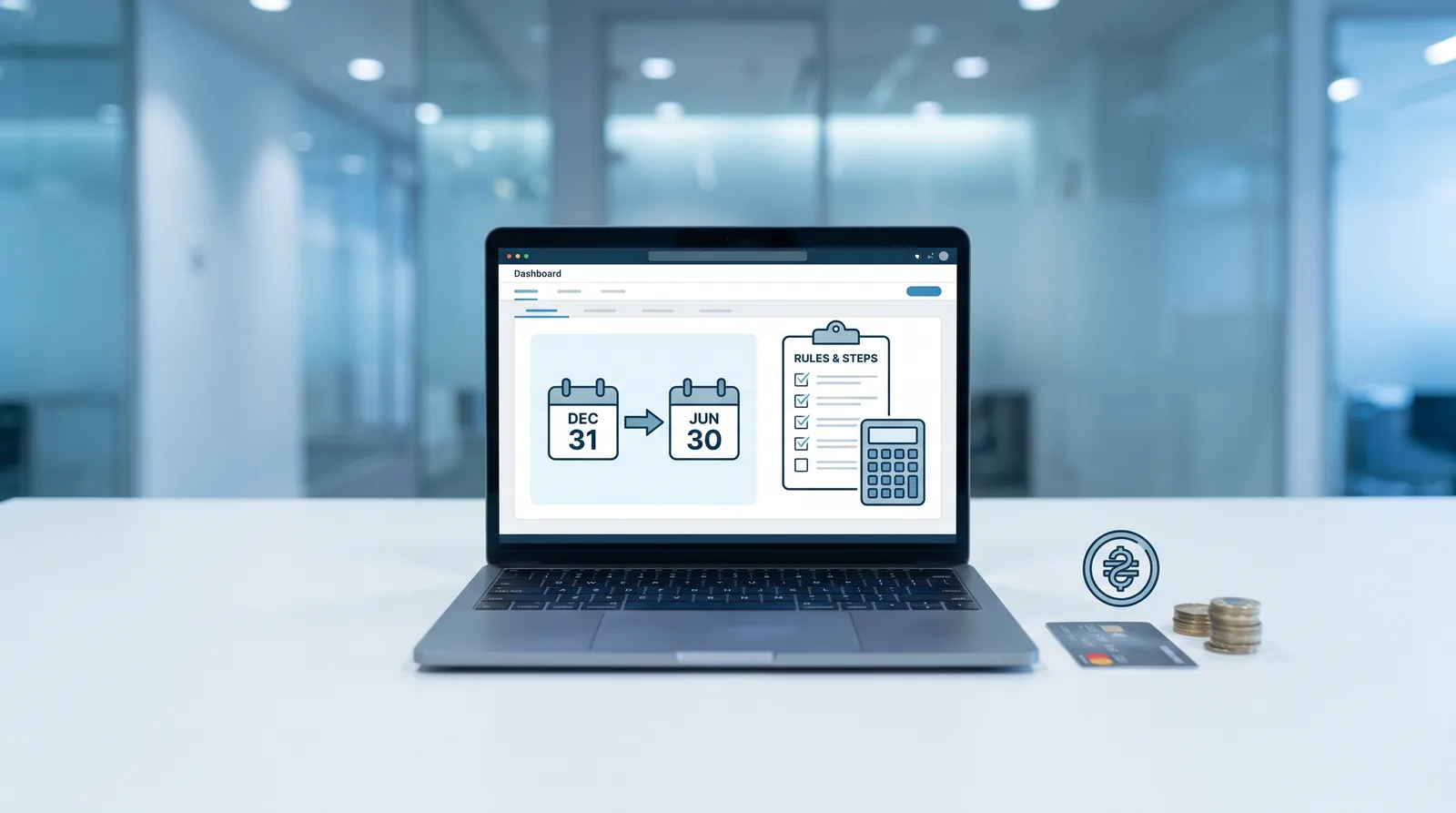
UAE corporate tax came into force for financial years starting on or after 1 June 2023 (Federal Tax Authority, 2023).
Customs, Import Duties, and Trade Rules
Standard UAE customs duty: 5% on the CIF value of most imported goods
Goods re-exported from a free zone without entering the UAE mainland are generally exempt from import duty
Some goods carry higher duty rates or excise tax, check with Dubai Customs before you import
Excise tax applies to tobacco, energy drinks, and sweetened drinks at rates of 50% to 100%
Keep records for 5 years under UAE VAT law
You can manage banking and taxation through DSBH's support services to stay on top of these obligations.
What happens if you miss the VAT registration deadline?
If your taxable turnover exceeds AED 375,000 and you do not register for VAT in time, the FTA charges a late registration penalty of AED 10,000. Register as soon as your turnover crosses the threshold.
Common Questions About the General Trading License in Dubai Answered
The most common questions about a general trading license in Dubai cover
Frequently Asked Questions