Topic Summary
What Is Import and Export Between Philippines and Dubai: What License You Need and Why It Matters
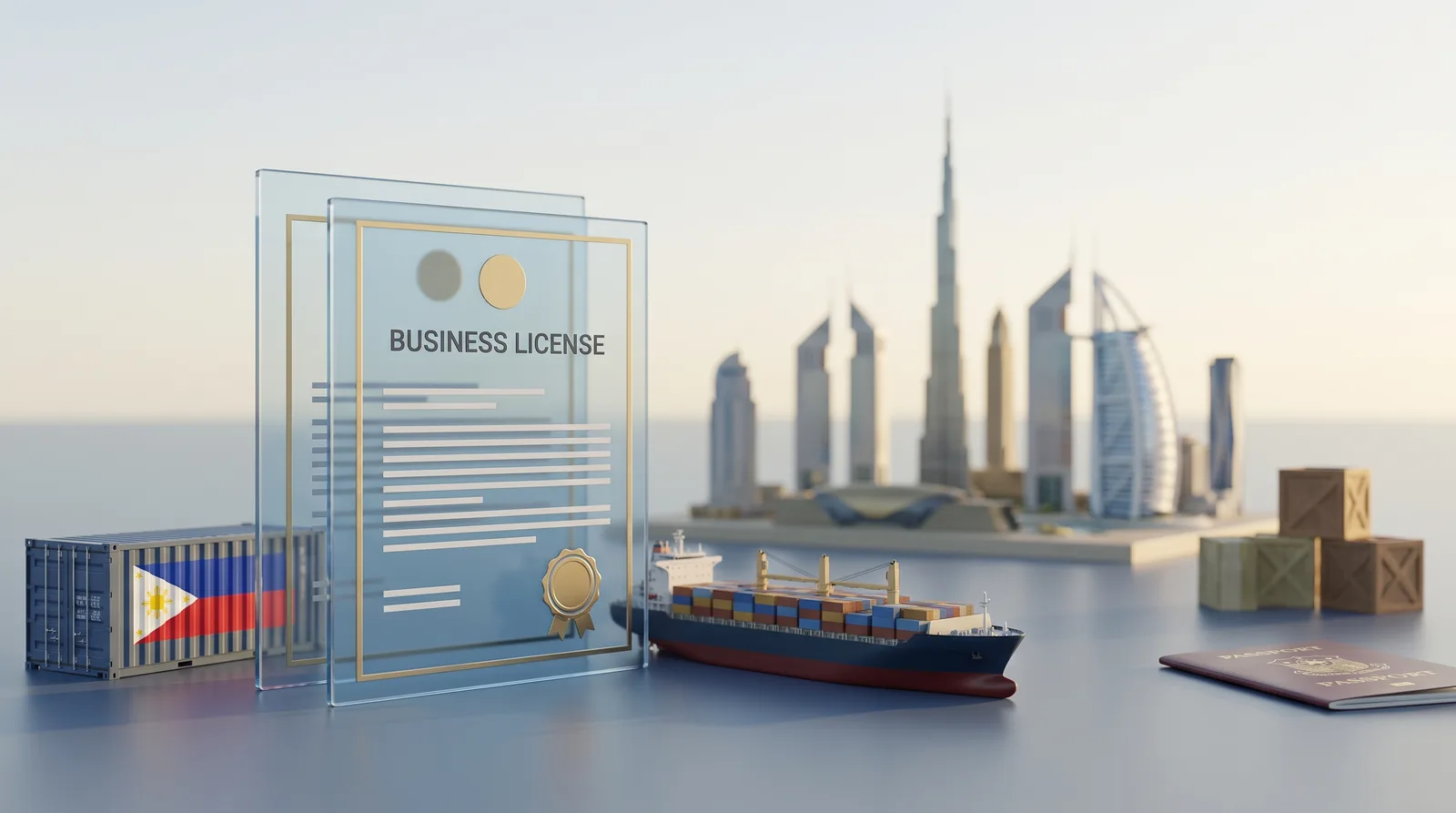
Import and export between the Philippines and Dubai requires a UAE trade license with an import-export or general trading activity, plus a Dubai Customs code and Dubai Trade Portal account. The license lets you trade legally, and customs registration lets you clear cargo.
Licenses and Registrations Every Philippines to Dubai Trader Must Hold
Licenses and Registrations Every Philippines to Dubai Trader Must Hold
Free Zone or Mainland: Choosing the Right Structure for Philippine Trade
Free zone companies suit traders who import, re-export or sell business to business, with full foreign ownership. Mainland licenses suit direct retail sales to UAE consumers. Most Philippine founders start in a free zone.
Process for Import and Export Between Philippines and Dubai: What License You Need
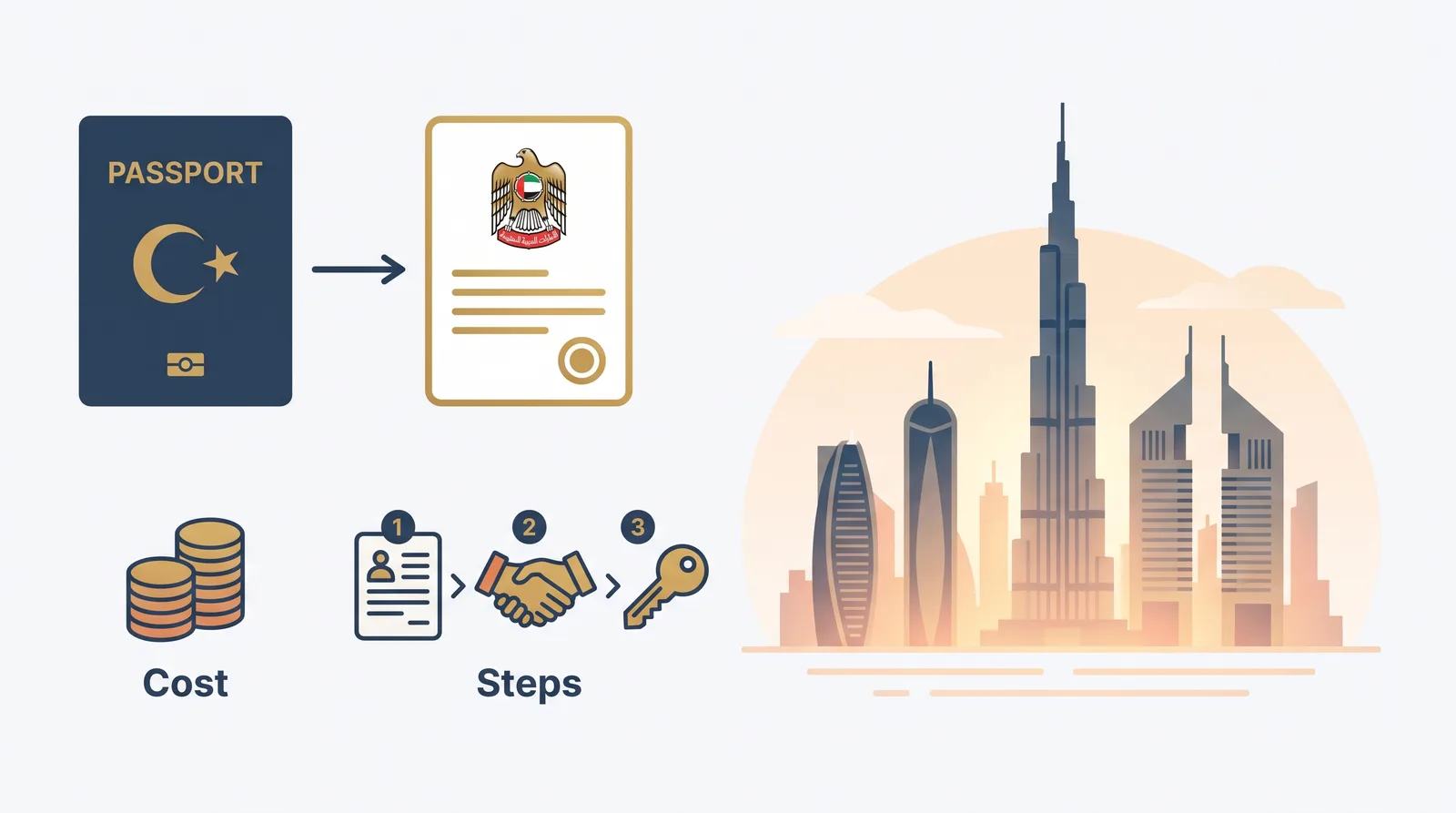
Choose your activity, apply for the license, secure a tenancy, register with Dubai Customs, open your portal account and obtain permits. Visas run alongside.
Costs, Tax Registration, and Timelines to Plan For
Budget for the license fee, visas, freight, duties and VAT. The UAE applies 5% VAT and generally 5% customs duty. Setup takes days; regulated goods take longer.
Common Mistakes Philippine Traders Make and How to Avoid Them
Typical errors are the wrong activity, shipping before customs registration, mislabelling and skipped approvals. Each risks delays or seized cargo, so check import and export between Philippines and Dubai: what license you need, before booking freight.
Dubai's non-oil foreign trade passed AED 2.2 trillion (Dubai Chamber, 2024). This guide covers import and export between Philippines and Dubai: what license you need, who issues it, and what it costs.
What Is Import and Export Between Philippines and Dubai: What License You Need and Why It Matters
Import and export between the Philippines and Dubai requires a UAE trade license with an import-export or general trading activity, plus a Dubai Customs code and Dubai Trade Portal account. The license lets you trade legally, and customs registration lets you clear cargo.
The License That Makes Cross-Border Trade Legal
A free zone trade license is your legal base. At Dubai South Business Hub Free Zone, licensing starts at AED 12,500 per year, and you can hold 100% of the company. Picture a Manila dried-mango supplier re-exporting to Saudi Arabia and Oman from a Dubai South entity.
Registrations Required for Philippines to Dubai Trade
Feature | Requirement | Issuing Authority |
|---|---|---|
Trade license with import-export or general trading activity | Legal right to buy, sell and move goods | Dubai South Business Hub Free Zone |
Customs importer/exporter code | Needed before the first container is cleared | Dubai Customs |
Dubai Trade Portal account | Files declarations and permits online | Dubai Trade |
Product approvals for food, cosmetics, or chemicals | Permit before regulated goods ship | Relevant UAE ministry or municipality |
VAT registration above the threshold | Mandatory above AED 375,000 turnover | Federal Tax Authority |
Why Dubai Works as a Philippines Trade Gateway
Dubai reaches Gulf, African and European buyers. Its ports and airports handle over 14 million TEUs annually (DP World, 2025). A large Filipino community also creates steady demand for Philippine groceries.
Licenses and Registrations Every Philippines to Dubai Trader Must Hold
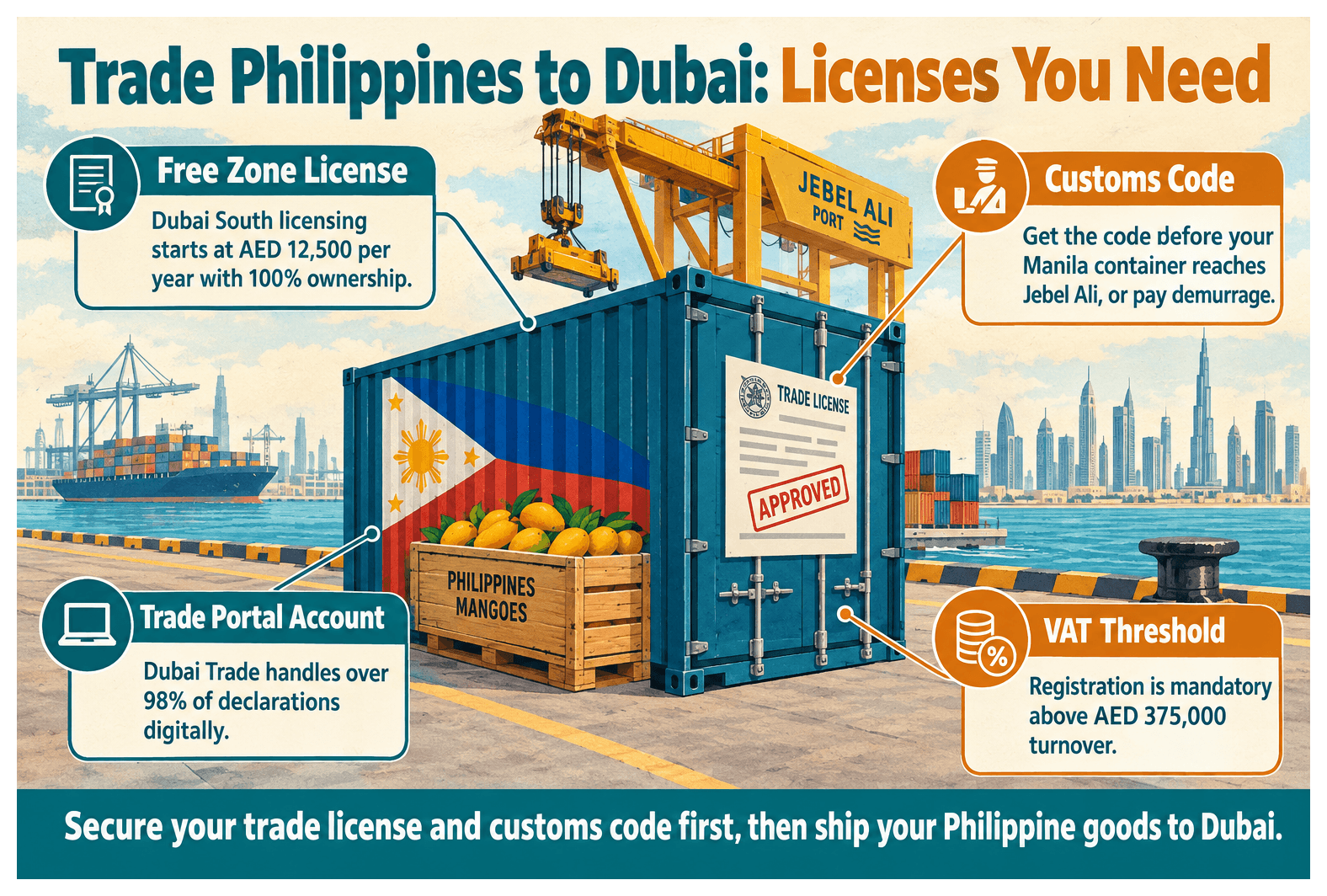
You need a UAE trade license, a Dubai Customs code and a Dubai Trade Portal account. Regulated goods need product approvals. In the Philippines, exporters register with the Bureau of Customs and follow DTI rules.
UAE-Side Requirements: Trade License and Customs Code
Get a trade license with a trading activity.
Apply for the customs code once your tenancy is in place.
Open a portal account (Dubai Trade Portal registration); it handles over 98% of declarations digitally (Dubai Trade, 2026).
Get the code before your Manila container reaches Jebel Ali, or you'll pay demurrage.
Philippine-Side Requirements and Restricted Goods
Food, fisheries and agricultural exports need clearances from Philippine agencies. Coconut-based foods, for example, need export documents plus UAE food import approval. Confirm current agency lists before shipping.
Free Zone or Mainland: Choosing the Right Structure for Philippine Trade
Free zone companies suit traders who import, re-export or sell business to business, with full foreign ownership. Mainland licenses suit direct retail sales to UAE consumers. Most Philippine founders start in a free zone.
When a Free Zone License Fits Best
Re-export and B2B trading.
100% ownership and profit repatriation.
Residency visa packages tied to the license.
When Direct UAE Retail Sales Change the Picture
Selling to consumers may need a local distributor. A Philippine snack brand could use one for retail while its free zone company handles re-exports. Read whether you need a separate export license before signing supplier contracts.
Process for Import and Export Between Philippines and Dubai: What License You Need
Choose your activity, apply for the license, secure a tenancy, register with Dubai Customs, open your portal account and obtain permits. Visas run alongside.
Step 1: Choose Your Activity and Apply
List your products, such as dried fish and coconut oil, under one general trading license.
Submit passports, a business plan summary and shareholder details.
Approval takes as little as 3 working days.
Step 2: Register With Customs and the Portal
Apply for the customs code with your license and tenancy contract. Link a clearing agent on the portal, which connects over 20 government and logistics entities. Secure product permits before freight sails.
Step 3: Start Visas, Banking and First Shipment
Apply for your investor visa, Emirates ID and medical test, and open a corporate account. Then ship one trial pallet to test HS codes and labelling.
Costs, Tax Registration, and Timelines to Plan For
Budget for the license fee, visas, freight, duties and VAT. The UAE applies 5% VAT and generally 5% customs duty. Setup takes days; regulated goods take longer.
Duties, VAT, and Corporate Tax Basics
Register for VAT with the Federal Tax Authority above AED 375,000.
Qualifying free zone income may get a 0% corporate tax rate. It isn't tax free by default.
Track duty-paid and duty-suspended stock separately.
Realistic Timelines From License to First Clearance
Expect a license in about 3 working days, then a customs code within days. Food and cosmetics permits take longer, so file them during visa processing. Our trading business guide covers the full costs.
Common Mistakes Philippine Traders Make and How to Avoid Them
Typical errors are the wrong activity, shipping before customs registration, mislabelling and skipped approvals. Each risks delays or seized cargo, so check import and export between Philippines and Dubai: what license you need, before booking freight.
License Activity Mismatches That Block Clearance
Add cosmetics to your license before importing Philippine skincare.
Keep invoices within license scope.
Amending an activity costs less than demurrage.
Documentation and Labelling Errors
Match invoice, packing list and certificate of origin.
Use Arabic and English labels.
Check halal and shelf-life rules.
Your Next Step: Match Your Product to the Right License
Shortlist your products and HS codes, then contact Dubai South Business Hub Free Zone for a quote. The import export license guide explains more. Plan your visa and relocation around the license timeline.
References
Frequently Asked Questions