Apply for a Satellites' Components & Spare Parts Trading License in Dubai

Topic Summary
What the License Actually Permits
A Satellites' Components & Spare Parts Trading License authorizes businesses to import, export, and sell satellite hardware across the region. It supports both wholesale and distribution activities within the aerospace supply chain.
Key Products You Can Trade
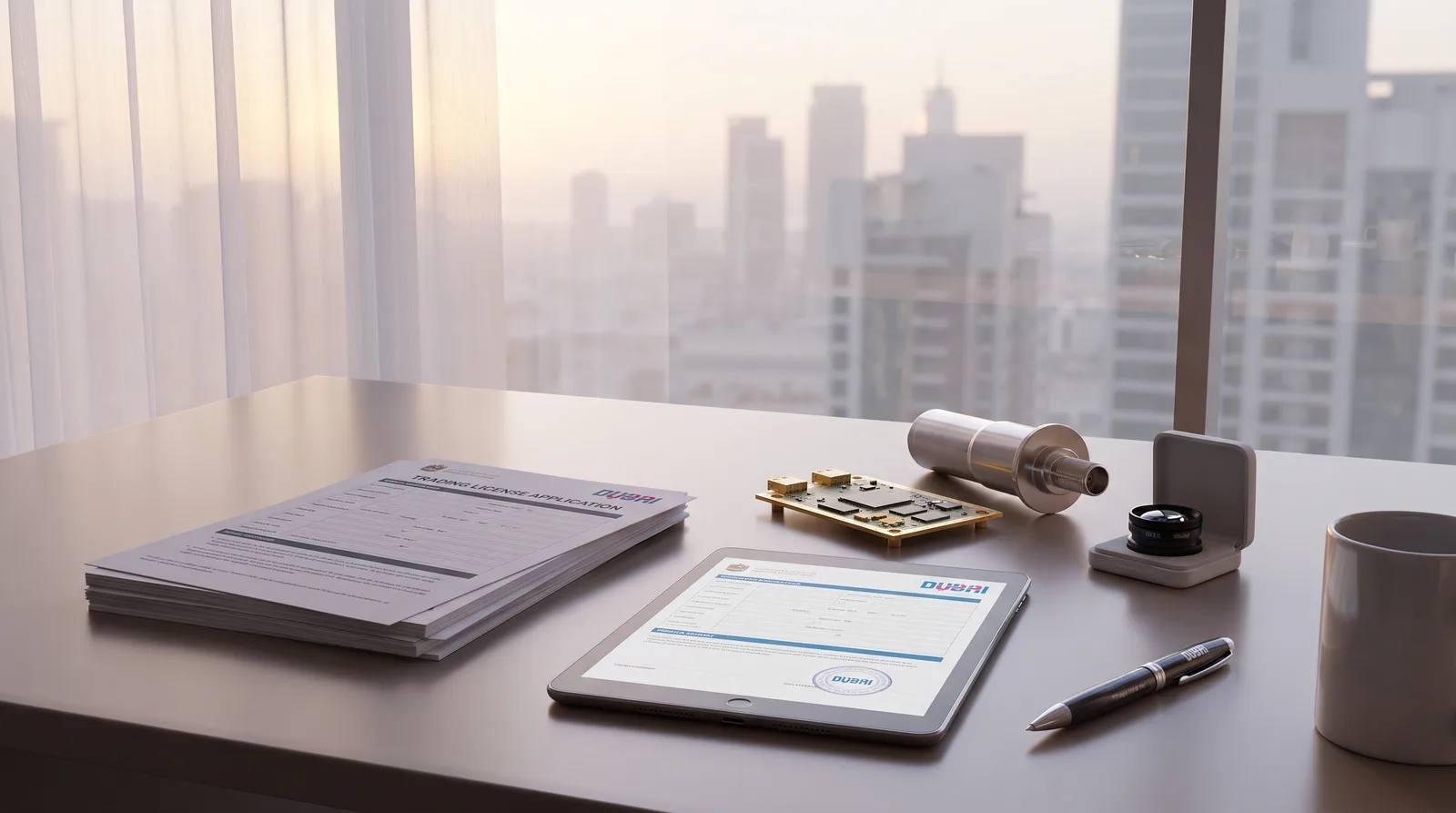
The license covers a broad range of hardware including antennas, transponders, signal processors, circuit boards, and ground station equipment. Related aerospace spare parts and accessories are also included under the activity scope.
Businesses That Benefit Most
Satellite operators, telecoms firms, aerospace equipment suppliers, system integrators, and defence contractors are among the primary beneficiaries. Any business supplying specialist components to the aerospace sector can leverage this license.
Mainland vs. Free Zone: Key Differences
A mainland license issued by Dubai Economy and Tourism gives direct access to UAE customers, government tenders, and local procurement contracts. A free zone license offers 100% foreign ownership and streamlined customs, making it better suited for international trade.
Why Dubai South Is a Strategic Choice
Dubai South Free Zone sits directly adjacent to Al Maktoum International Airport, enabling fast aerospace logistics for spare parts and components. Its dedicated infrastructure and streamlined licensing processes make it one of the most practical bases for satellite component traders.
Access to Regional and Global Markets
Dubai's position as a regional trade gateway connects satellite component traders to markets across the Middle East, Africa, and South Asia. This makes the emirate an attractive hub for businesses managing a global supply chain.
Dubai's aerospace and satellite sector is growing fast. This creates strong demand for licensed spare parts traders in the region.
This guide explains how to obtain a Satellites' Components & Spare Parts Trading License in Dubai. It covers activity scope, setup options, required documents, and costs.
What This License Covers
A Satellites' Components & Spare Parts Trading License allows businesses to import, export, and sell satellite components and related hardware. It is a specialist trading license in Dubai designed for the aerospace supply chain.
Businesses holding this license can source parts from global manufacturers and supply them to operators, integrators, and service providers across the region. The license supports both wholesale and distribution activities within the satellite and aerospace industry.
Typical Products Covered
This license covers a wide range of satellite-related hardware. Common products include:
Antennas and antenna components
Transponders and signal processors
Circuit boards and electronic modules
Satellite communication hardware
Ground station equipment and accessories
Related aerospace spare parts and accessories
Who Benefits From This License
This license suits a range of businesses operating in the aerospace and technology sectors. Key beneficiaries include:
Satellite operators and service providers
Telecommunications firms
Aerospace equipment suppliers
System integrators working on satellite infrastructure
Defence and government contractors sourcing specialist components
Dubai South is a strategic aerospace and logistics hub. Its location near Al Maktoum International Airport makes it ideal for businesses in this sector. The free zone supports international trade and aerospace-related business activities with dedicated infrastructure.
The UAE's position as a regional trade gateway also gives satellite component traders access to markets across the Middle East, Africa, and South Asia. This makes Dubai an attractive base for businesses with a global supply chain.
Choosing Your Business Setup: Mainland vs. Free Zone
Before applying, you need to decide where to register your company. The two main options are a Dubai mainland license or a free zone license. Each has different rules around ownership, customs, and market access.
Mainland License
A mainland license is issued by the Dubai Economy and Tourism (DET) authority. It allows you to trade freely across the UAE market. You can supply goods directly to local businesses, government entities, and retail customers.
Mainland companies may need a local service agent or meet specific ownership requirements depending on the activity. Customs duties apply when importing goods for local sale.
A mainland license is a strong choice if your primary customers are based within the UAE. It gives you direct access to government tenders and local procurement contracts, which can be valuable in the aerospace and defence sectors.
Free Zone License
A free zone license suits businesses focused on import, export, and international trade. Free zones offer 100% foreign ownership and simplified customs processes. They are well suited to satellite component traders dealing with global suppliers and clients.
Free zone companies can sell to UAE mainland customers but may need a local distributor or agent for direct mainland sales. You can explore the full range of business activities in Dubai available under a free zone license to find the right fit.
Why Dubai South Suits This Activity
Dubai South Free Zone is directly connected to Al Maktoum International Airport. This proximity supports fast, efficient aerospace logistics. Spare parts and components can move quickly between suppliers, warehouses, and end users.
The free zone offers dedicated infrastructure for aviation and technology businesses. Licensing and customs processes are streamlined for trading companies. This makes Dubai South one of the most practical locations for satellite component traders in the UAE.
Businesses in Dubai South also benefit from access to a large community of aerospace, logistics, and technology companies. This creates opportunities for partnerships, supplier relationships, and business development within the free zone ecosystem.
Which Option Is Right for You?
Choose a mainland license if your main market is within the UAE. Choose a free zone license if you focus on re-export and international trade. Your business model and target customers should guide this decision.
Step-by-Step Application Process
The application process is straightforward. Follow these steps to obtain your Satellites' Components & Spare Parts Trading License in Dubai.
Choose your legal structure. Common options include a Limited Liability Company (LLC), sole establishment, branch office, or free zone entity. Your structure affects ownership rules, liability, and visa allocation.
Reserve a trade name.Check company name availability before submitting your application. The name must comply with UAE naming guidelines and must not duplicate an existing registered name.
Submit your initial approval application. Provide details of your intended business activity. The relevant authority will review your application and confirm whether the activity is permitted under your chosen structure.
Secure office or warehouse space. You must have a physical address to complete your license application. Obtain a tenancy contract for your chosen premises. For mainland applications, this must be Ejari-attested.
Submit full documentation and pay license fees. Compile all required documents and submit them to DET or your free zone authority. Pay the applicable license and registration fees.
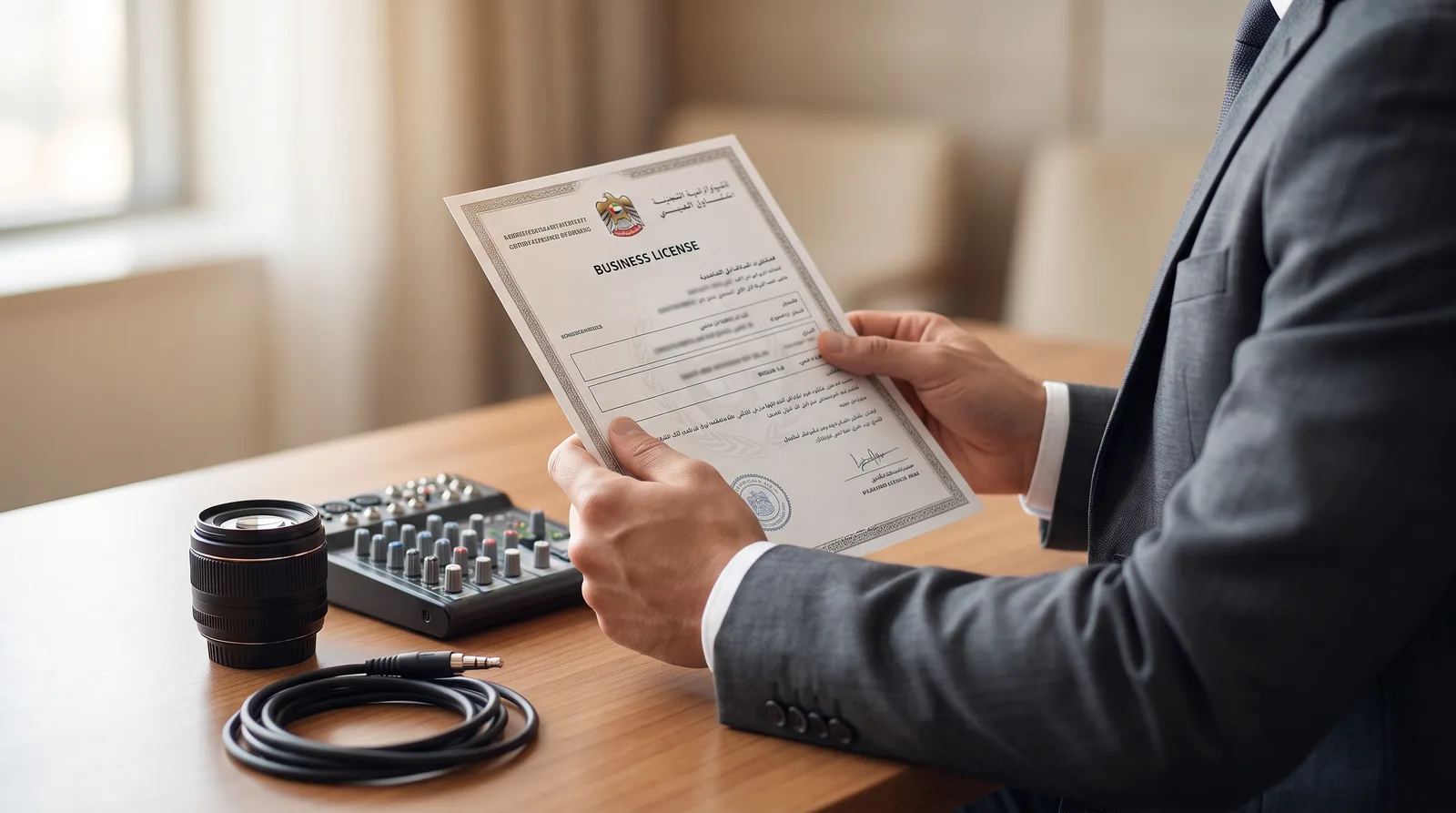
Receive your trade license. Once approved, you will receive your trade license. Register with the Dubai Chamber of Commerce if required for your business type.
Required Documents
Prepare the following documents before starting your application. Missing documents can delay the process.
Passport copies of all shareholders and managers
Completed application form from DET or your chosen free zone authority
Memorandum of Association (required for LLC structures)
Tenancy contract (Ejari-attested for mainland applications)
No-objection letter if the applicant is a UAE resident employee
Passport-size photographs of all shareholders
Emirates ID copies for UAE residents
Document requirements may vary slightly depending on your legal structure and chosen authority. Confirm the full list with your licensing authority before submitting.
Costs and Timeframes
Licensing costs vary depending on your setup type, office size, and visa requirements. Below is a general overview to help you plan your budget.
Typical Cost Components
Trade name reservation fee: A one-time fee paid when reserving your business name
Initial approval fee: Charged when submitting your business activity application
License fee: The main annual fee for your trading license
Office or warehouse lease: Cost varies by size and location
Visa allocation fees: Based on the number of visas linked to your license
Registration and administration fees: Charged by the licensing authority
Use the business setup cost calculator to get an estimate for your specific requirements. Fees differ between mainland and free zone setups, so it is important to compare both options.
It is also worth budgeting for professional services if you use a business setup consultant. These services can help you avoid errors and speed up the application process, particularly if you are new to the UAE market.
Processing Time
Most straightforward applications are processed within 3 to 7 working days. Complex applications or incomplete documents may take longer. Preparing your documents in advance helps avoid unnecessary delays.
Annual Renewal
Your trade license must be renewed every year before its expiry date. Renewal fees are similar to initial license fees. Late renewal can result in fines and suspension of your trading activities.
Always confirm current fees directly with DET or Dubai South Free Zone. Rates are subject to change.
Compliance and Ongoing Obligations
Once your license is active, you must meet several ongoing legal and regulatory requirements. Staying compliant protects your business and avoids penalties.
VAT Registration
If your annual taxable turnover exceeds AED 375,000, you must register for VAT. Register through the Federal Tax Authority. You will need to file regular VAT returns and maintain accurate financial records.
Customs Registration
Satellite component traders must register with Dubai Trade for import and export activities. This is required to clear goods through UAE customs. Ensure all shipments are properly declared and documented.
Some satellite components may be subject to additional import controls or dual-use regulations. Check with the relevant authorities before importing specialist or restricted hardware into the UAE.
Record Keeping
Maintain proper invoices, trade records, and financial statements. These are required for VAT compliance, customs clearance, and license renewal. Keep records for a minimum of five years as required under UAE law.
License Renewal
Renew your license before its expiry date each year. Late renewal attracts financial penalties. Set a reminder well in advance to avoid disruption to your business operations.
Staff Visas
Your visa quota depends on your office size and license type. Plan your staffing needs carefully before finalising your office space. You can learn more about UAE residency visa options available through Dubai South Business Hub Free Zone.
Banking
Open a dedicated business bank account once your license is issued. A corporate account is required for proper financial management and VAT compliance. Explore bank account opening in Dubai services available to free zone companies.
Why Now Is a Good Time to Enter This Market
The global satellite industry is expanding rapidly. Demand for satellite broadband, earth observation, and communications infrastructure is growing across the Middle East and beyond. This is driving increased procurement of satellite components and spare parts throughout the region.
The UAE government has made aerospace and space technology a national priority. Initiatives such as the UAE Space Agency and the Mohammed bin Rashid Space Centre reflect the country's long-term commitment to this sector. Businesses that establish themselves now are well positioned to benefit from this growth.
Dubai's trade infrastructure, regulatory environment, and geographic location make it one of the best places in the world to build an aerospace supply chain business. A Satellites' Components & Spare Parts Trading License gives you the legal foundation to operate confidently in this market.
Conclusion
A Satellites' Components & Spare Parts Trading License gives your business a legal, structured way to operate in Dubai's growing aerospace supply chain. The process is straightforward when you choose the right setup and prepare the correct documents.
Whether you choose a mainland or free zone license, Dubai offers a strong regulatory environment and excellent logistics infrastructure for this sector. Dubai South, in particular, provides direct access to Al Maktoum International Airport and a business-friendly free zone environment.
Contact the Dubai South Business Hub team today to start your license application. Get expert guidance on the right setup for your business and take your first step into Dubai's aerospace trading market.
References
Frequently Asked Questions