Apply for a Freight Broker Business License in Dubai
Topic Summary
Understand Activity Code 5229.83
This code defines freight brokerage as arranging cargo transport between shippers and carriers without taking physical custody of goods. It's distinct from freight forwarding or logistics agency work, so confirm your services match this scope before applying.
Know the Core Broker Services
Freight brokers negotiate rates, coordinate documentation, select carriers, and facilitate communication between exporters and transport operators. They provide market intelligence on rates and carrier availability without handling cargo directly.
Choose Mainland or Free Zone Setup
A Dubai mainland DED license allows unrestricted UAE market access and direct contracts, while free zones like Dubai South offer streamlined single-authority processing and full foreign ownership. Each path has different operational scope and ownership rules.
Leverage Dubai South's Strategic Location
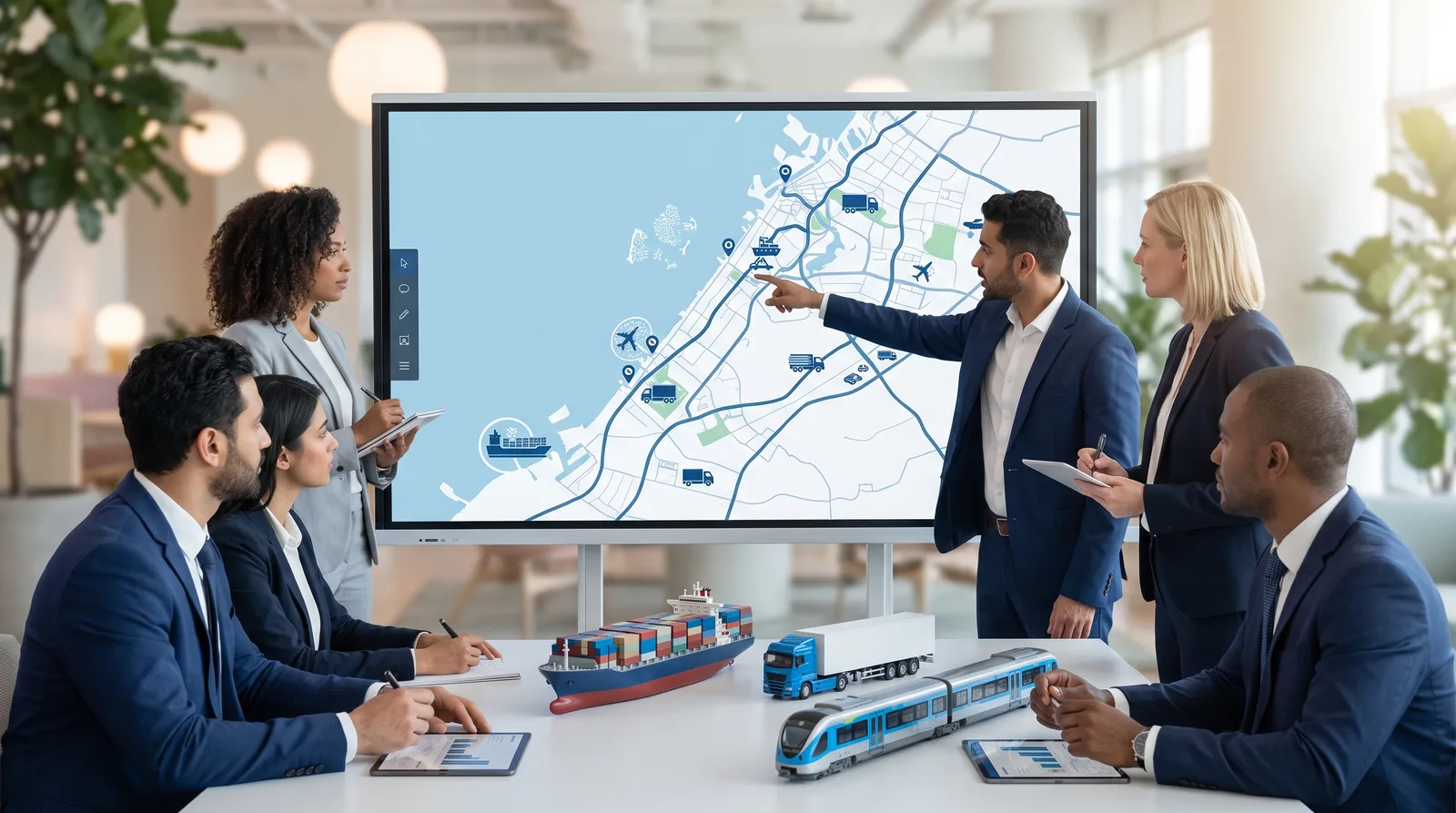
Dubai South Business Hub Free Zone sits adjacent to Al Maktoum International Airport, offering strong connectivity for air, sea, and land freight coordination. This makes it an attractive base for brokers serving multimodal trade routes.
Check Maritime Authority Requirements
If your brokerage activities involve sea freight, you may need separate approval from the Dubai Maritime Authority. It's important to verify whether additional registrations apply before starting operations.
Prepare Required Setup Documentation
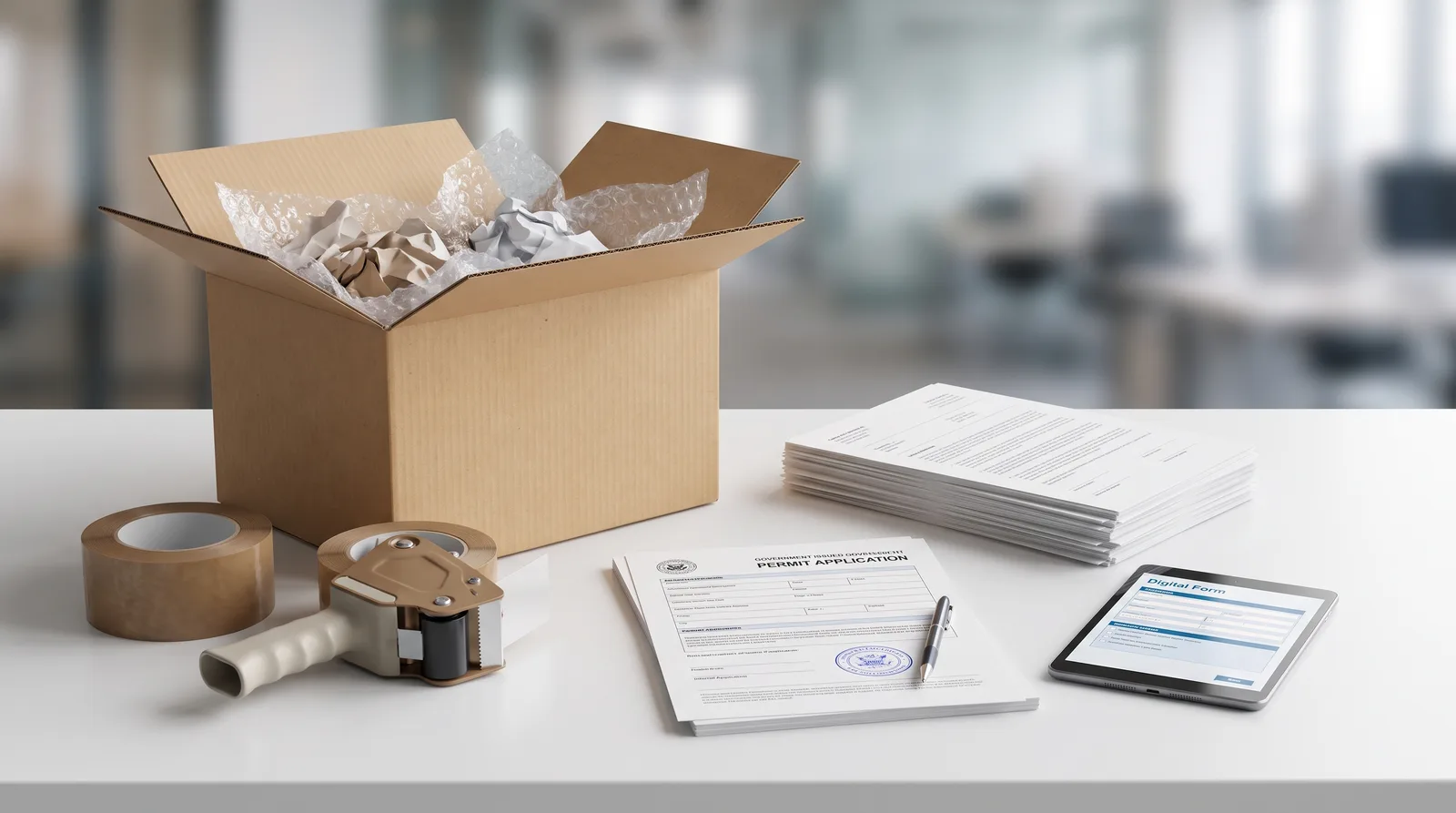
Typical requirements include trade name reservation, shareholder identification, a business plan, and a tenancy or flexi-desk agreement. Always confirm current documentation and fees with the relevant licensing authority.
Avoid Overlapping Activity Codes
Services like customs brokerage or warehousing fall under separate activity codes with their own licensing requirements. Clarifying your exact business activity early helps prevent compliance issues later.
Dubai's position as a global logistics hub makes it one of the most strategically valuable locations in the world to operate as a licensed freight broker. Sitting at the crossroads of major air, sea, and land trade routes, the emirate offers unmatched infrastructure, a business-friendly regulatory environment, and direct access to international markets.
This guide explains what activity code 5229.83 covers, who qualifies to conduct it, and what to consider when setting up a freight brokerage business in Dubai — including free zone options like Dubai South Business Hub Free Zone.
📊 Key Facts at a Glance
Activity Code: 5229.83 — Freight Broker
Activity Type: Commercial / Logistics Services
Ownership: Up to 100% foreign ownership available in free zones
Jurisdiction Options: Dubai Mainland (DED) or Free Zone
Strategic Location: Dubai South adjacent to Al Maktoum International Airport
External Oversight: Dubai Maritime Authority (for sea freight intersections)
What Is a Freight Broker Business Activity (Code 5229.83)?
A freight broker, classified under activity code 5229.83, is a commercial intermediary who arranges the transportation of cargo between shippers and carriers — without physically handling, storing, or taking custody of the goods themselves. This distinguishes the freight broker from a freight forwarder, who typically manages end-to-end logistics including documentation, customs clearance, and physical cargo handling, and from a logistics agent who may operate under a broader service remit.
Under UAE commercial activity classifications governed by the Ministry of Economy, freight brokerage is recognised as a distinct commercial activity. It spans air, sea, and land freight coordination, making it relevant across Dubai's multimodal trade ecosystem.
What Services Fall Under This Activity?
Negotiating freight rates on behalf of shippers or consignees with carriers
Coordinating shipment documentation and selecting appropriate carriers based on route, cost, and cargo type
Acting as a commercial intermediary — without taking physical custody of the cargo at any stage
Facilitating communication between exporters, importers, and transport operators
Providing market intelligence on freight rates and carrier availability
It is important to confirm that your intended services fall within this scope before applying, as overlapping activities — such as customs brokerage or warehousing — carry separate activity codes and licensing requirements.
Licensing Requirements and Business Setup Considerations
Setting up a freight brokerage business in Dubai involves choosing between a mainland Department of Economic Development (DED) licence and a free zone licence. Each pathway carries different operational scopes, ownership structures, and regulatory requirements. Applicants should verify current government fees, processing timelines, and documentation requirements directly with the relevant authority, as these are subject to change. Dubai Trade provides a useful reference for understanding trade-related regulatory frameworks in the emirate.
Where sea freight brokerage activities intersect with maritime regulations, applicants should separately consult the Dubai Maritime Authority to determine whether additional approvals or registrations are required before commencing operations.
Mainland vs. Free Zone: Key Differences
Factor | Mainland (DED) | Free Zone |
|---|---|---|
Client Contracts | Direct contracts across UAE | Primarily within zone or international |
Foreign Ownership | Up to 100% (select activities) | 100% permitted |
Setup Complexity | Multiple authority approvals possible | Streamlined single-authority process |
UAE Market Access | Unrestricted | May require local agent for mainland operations |
General documentation requirements typically include trade name reservation, shareholder identification, a business plan, and a tenancy or flexi-desk agreement. Always confirm current requirements with the licensing authority before submitting your application.
Setting Up at Dubai South Business Hub Free Zone
Dubai South Business Hub Free Zone is strategically located adjacent to Al Maktoum International Airport and along the corridor connecting to Jebel Ali Port — making it a practical choice for freight brokers who need to be close to major logistics infrastructure. For entrepreneurs looking to start a business in Dubai within the freight and logistics sector, this location offers meaningful operational advantages.
The free zone offers flexible workspace options including flexi-desk and dedicated office arrangements, suitable for brokerage operations that rely more on communication and coordination than physical space. Licensing is governed by the Dubai South authority, with 100% foreign ownership permitted and a streamlined setup process well-suited to startups and SMEs entering the freight brokerage sector.
You can explore the full list of business activities in Dubai available under Dubai South Business Hub Free Zone to confirm that activity code 5229.83 aligns with your intended operations before proceeding.
Why Location Matters for Freight Brokers
Jebel Ali Port access: DP World's Jebel Ali Port is one of the world's busiest container ports, handling millions of TEUs annually — giving freight brokers proximity to a critical trade gateway.
Air cargo connectivity: Al Maktoum International Airport's expanding air cargo capacity supports multimodal brokerage operations across global routes.
Trade infrastructure: Dubai's integrated logistics ecosystem — spanning ports, airports, and bonded zones — supports seamless global freight coordination.
Visa, Staffing, and Compliance Considerations
Visa allocations for a freight brokerage company depend on the type of office space selected and the rules of the licensing authority. Free zone companies at Dubai South Business Hub can access residency visa packages tied to the company licence, supporting both founders and employees. For details on UAE residency visa options linked to your business licence, Dubai South Business Hub provides dedicated guidance.
Mainland-licensed companies above certain employee thresholds may be subject to Emiratisation obligations under the Nafis programme, which sets targets for UAE national employment in the private sector.
All qualifying entities are required to register for UAE Corporate Tax under the CT Law administered by the Federal Tax Authority. Freight brokers should maintain accurate records of all brokerage transactions, commissions, and client agreements to support tax and regulatory compliance. Those handling maritime cargo should additionally verify any requirements with the Dubai Maritime Authority before commencing sea freight brokerage activities.
Key Considerations Before You Apply
Confirm that activity code 5229.83 precisely matches your intended services — related activities such as freight forwarding or customs brokerage carry different codes and requirements.
Assess whether a mainland or free zone setup better suits your target client base and operational model, particularly if you intend to contract directly with UAE-based shippers.
Verify current government fees and approval requirements directly with the DED or the relevant free zone authority, as these figures change periodically.
Use the business setup cost calculator to get an indicative estimate of your Dubai South Business Hub Free Zone licence costs before committing.
Consider engaging professional business setup consultants to navigate multi-authority approvals, particularly where maritime or transport-sector regulations intersect.
Dubai Chamber of Commerce membership can support credibility, networking, and access to the broader logistics and trade community in Dubai.
Conclusion
Obtaining a freight broker licence in Dubai under activity code 5229.83 is a structured process that requires selecting the right jurisdiction, meeting documentation requirements, and ensuring compliance with UAE commercial and tax regulations. Dubai South Business Hub Free Zone offers a strategically located, operationally practical free zone option — positioned at the heart of Dubai's logistics corridor — that is worth exploring for freight brokerage startups and growing businesses alike.
Contact Dubai South Business Hub today to learn how to start your freight broker licence application and find the setup option that fits your business goals.
References
Ministry of Economy (moet.gov.ae)
Dubai Trade (dubaitrade.ae)
DP World's Jebel Ali Port (dpworld.com)
Federal Tax Authority (tax.gov.ae)
Dubai Chamber of Commerce (dubaichamber.com)
Frequently Asked Questions