How to Get a Plate Heat Exchangers Trading License in Dubai

Topic Summary
Choose the Right License Structure
Compare mainland and free zone options before applying. Mainland licenses allow UAE-wide sales, while free zone licenses suit re-export and offer 100% foreign ownership.
Use Activity Code 4773.c9
Plate heat exchanger trading uses Activity Code 4773.c9 for pure trading. Confirm whether you need a distributor or agency license, especially if you sell under an exclusive supplier agreement.
Reserve Your Trade Name Early
Reserve a trade name that meets naming rules before anything else. Preparing company documents in advance helps you avoid the delays that commonly slow applications.
Prepare Complete Application Documents
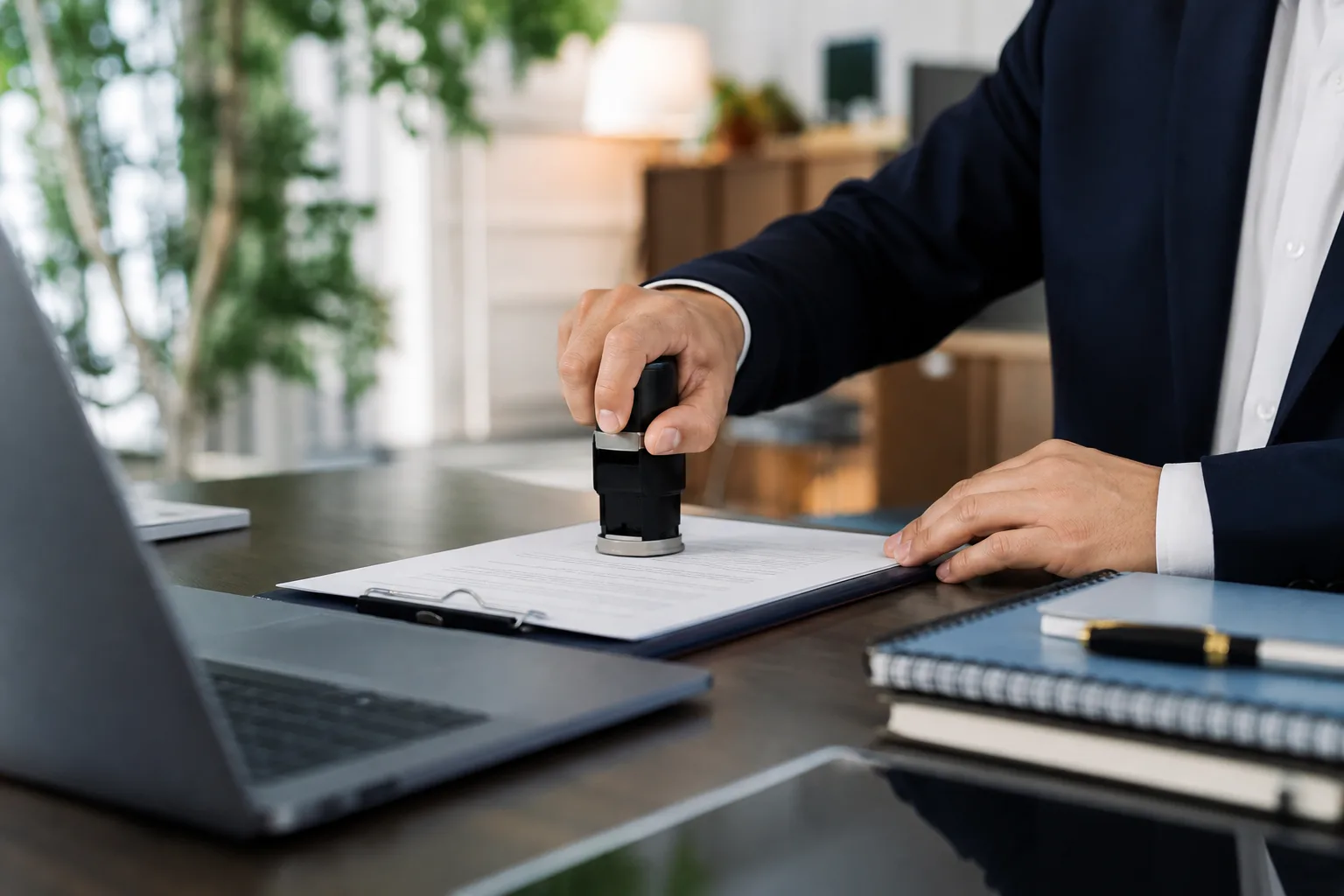
Gather passport copies and visas for shareholders and managers, a memorandum of association or lease, and proof of a registered address. Missing or unclear documents are the most common cause of delay.
Confirm Industrial Product Approvals
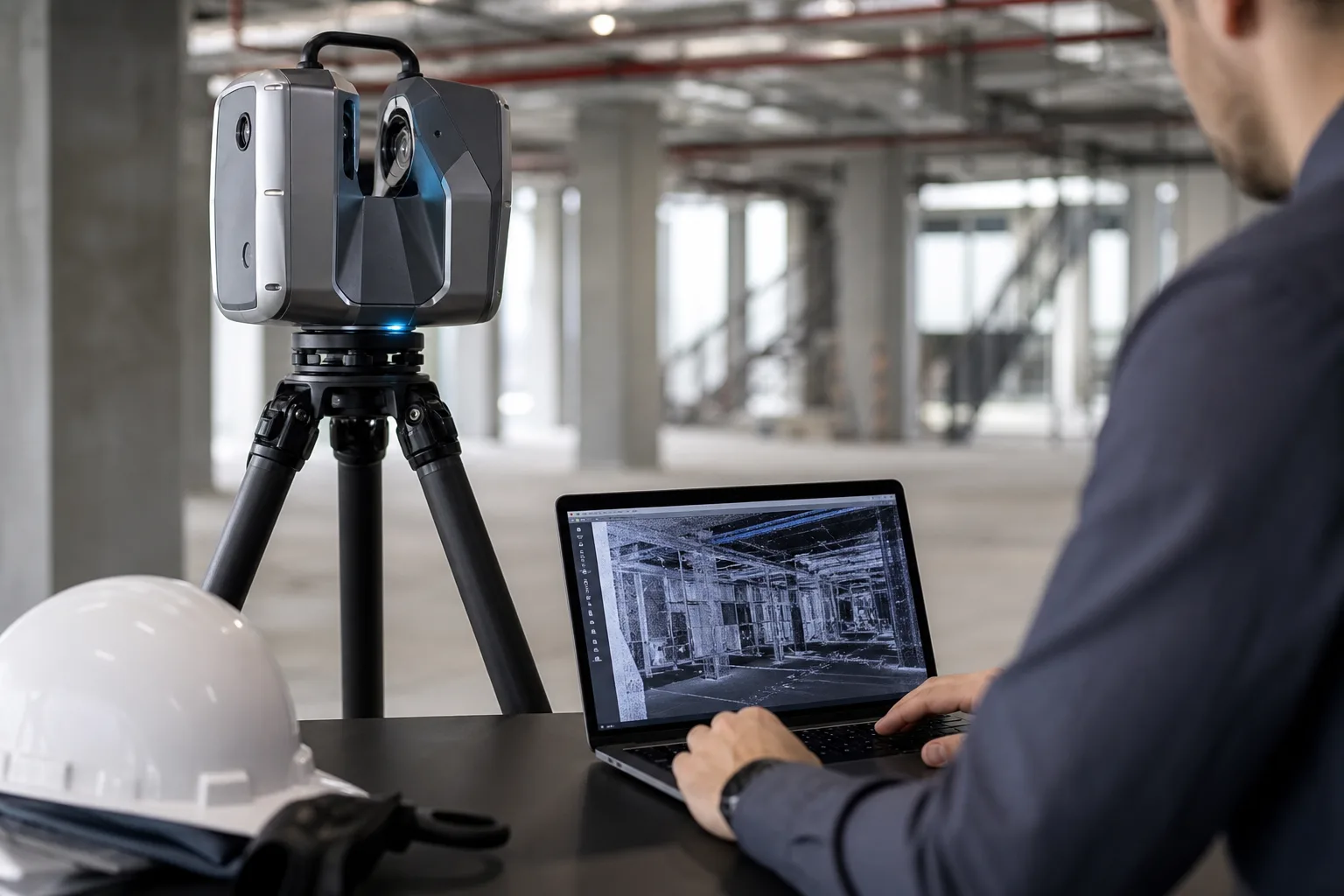
Heat exchangers may require technical or safety checks before import. Request datasheets and conformity certificates from your supplier and schedule inspections before shipment arrives in the UAE.
Budget for License, Visa, and Space
Costs include trading license and registration fees, residency visa packages, and office space such as a flexi-desk or warehouse unit. Most applications take about two to four weeks when paperwork is complete.
Stay Compliant After Licensing
Renew your trading license every year and register for VAT once taxable turnover exceeds AED 375,000. File returns on time and keep invoices, shipping papers, and certificates for every transaction.
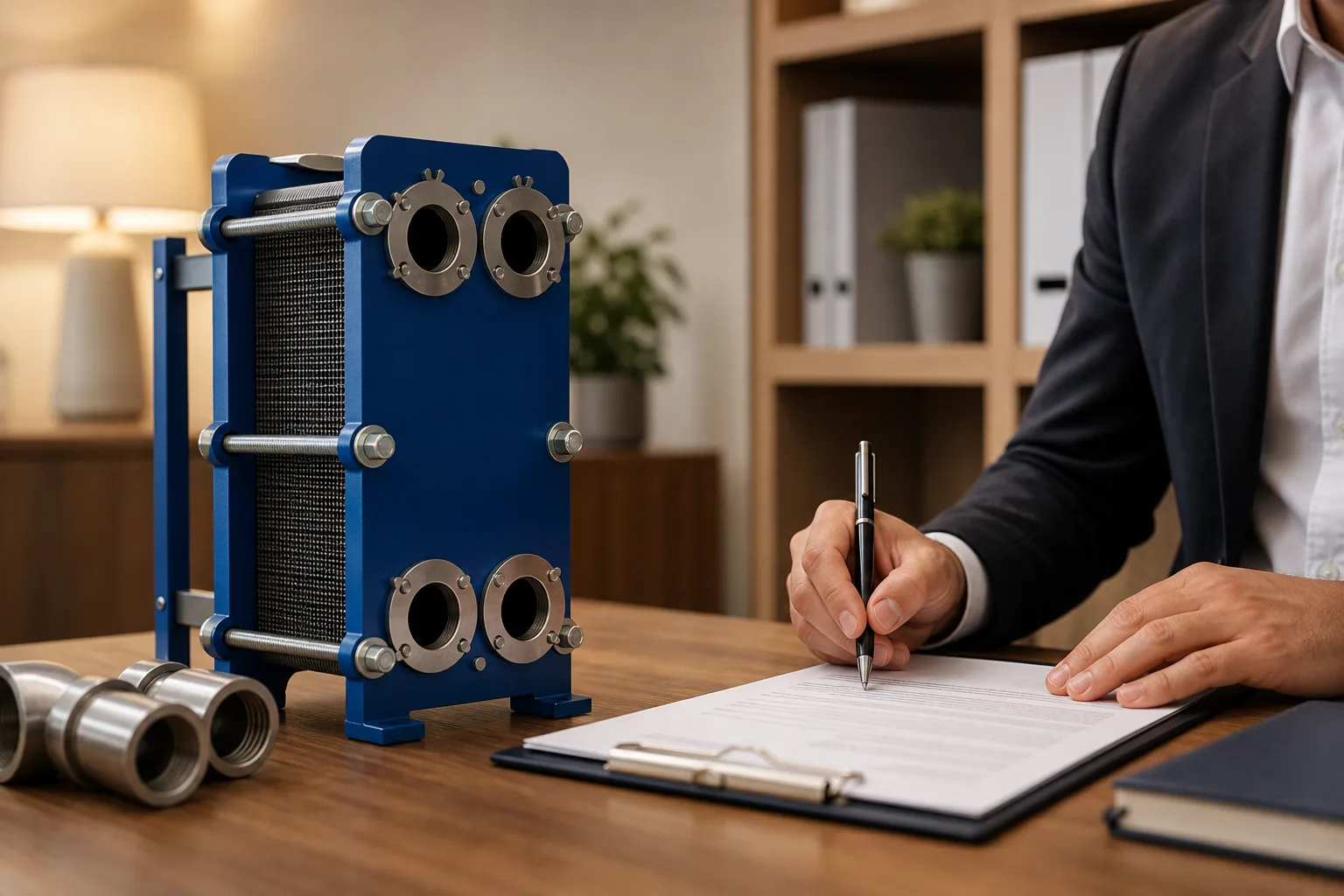
Plate heat exchangers are in steady demand across Dubai's HVAC, marine, and industrial sectors. Whether you are a distributor or a new entrant, the licensing path matters. This guide explains the steps, documents, and costs to get a trading license for plate heat exchangers in Dubai.
Understanding the Trading License Options
Before you apply, choose the right license type. The wrong choice can delay operations and add cost. Start by comparing mainland and free zone options.
Confirm the activity code that matches heat exchanger trading. The plate heat exchangers trading license uses Activity Code 4773.c9.
Check whether you need a distributor or agency license. Some suppliers sell under an exclusive agreement with a foreign manufacturer.
Review your target markets before you choose a structure.
Mainland vs Free Zone
A mainland license allows sales across the UAE.
A free zone license suits re-export businesses. It also allows 100% foreign ownership.
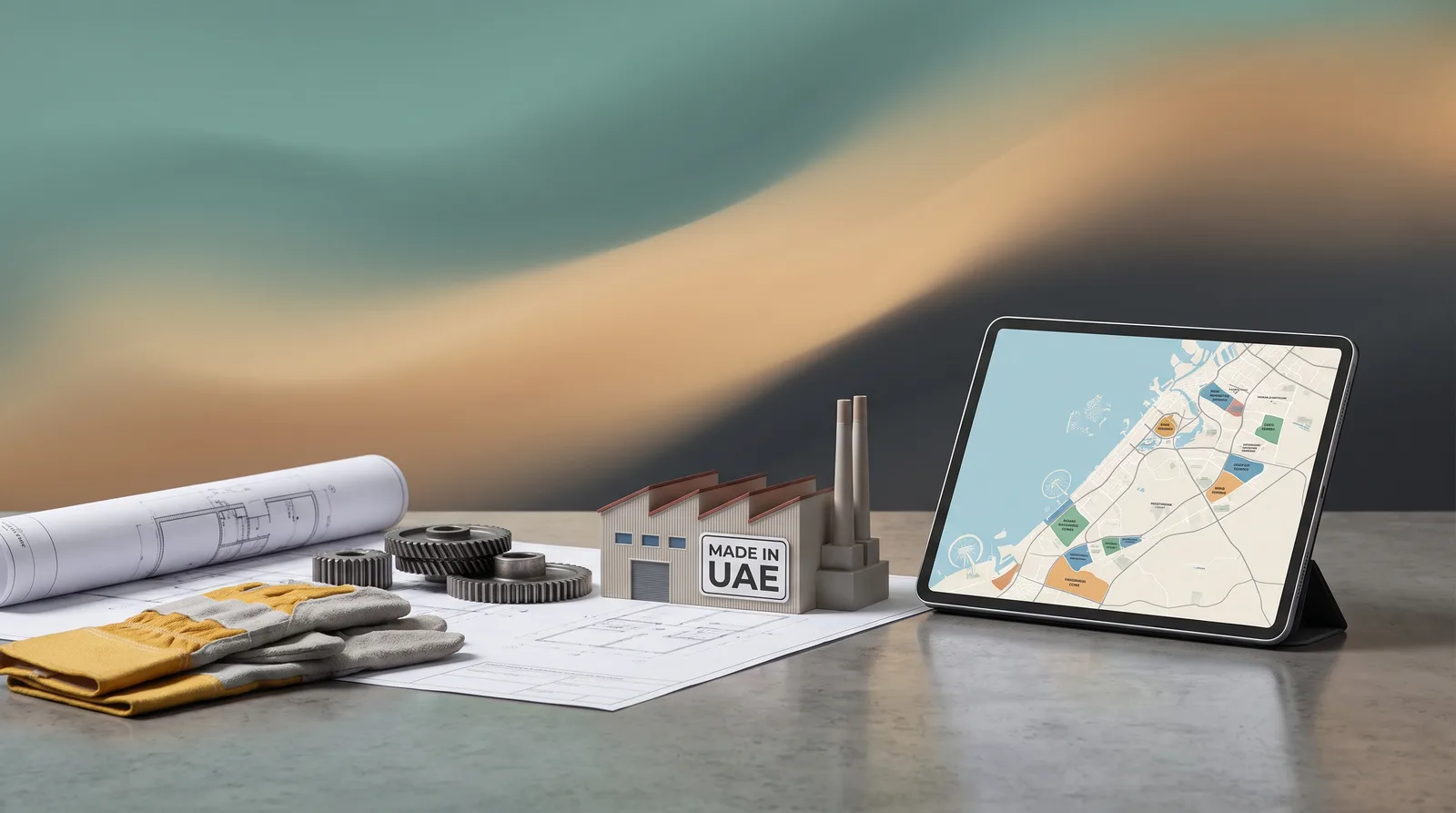
If your plan focuses on regional re-export, a free zone company is often the better fit. You can get a plate heat exchangers trading license in Dubai through Dubai South Business Hub Free Zone.
Mainland companies can contract with government clients and sell directly to end users across the Emirates. Free zone companies may face restrictions on selling directly into the local market without a separate distributor arrangement, so confirm the rules that apply to your specific activity before signing a lease.
Key takeaways: Use Activity Code 4773.c9 for pure trading. Choose mainland for UAE-wide sales. Choose a free zone for re-export and full foreign ownership.
Step-by-Step Application Process
The process follows a clear sequence. Each step depends on the one before it. Plan your documents early to avoid delays.
Reserve a trade name that meets naming rules.
Prepare your company documents.
Submit the application and pay the fees.
Obtain approvals and collect your license.
Required Documents
Passport copies and visas of shareholders and managers.
A memorandum of association or a lease agreement.
Proof of a registered address.
Keep scanned copies ready. Most delays happen because of missing or unclear documents.
Documents issued abroad may need attestation or translation before submission. Check the requirements for each document type with your advisor, and keep both originals and certified copies on hand for the authorities.
Key takeaways: Reserve your name first. Gather documents before you apply. Expect approvals before you collect the license.
Approvals for Industrial Equipment
Heat exchangers are industrial products. Some shipments may need technical or safety checks. Identify these requirements before you import.
Identify any technical or safety approvals for your product range.
Check product certifications and recognised standards.
Plan for inspections before goods arrive in the UAE.
Ask your supplier for datasheets and conformity certificates. Buyers in other markets often request these documents too.
Key takeaways: Confirm product approvals early. Get certificates from your supplier. Schedule inspections before shipment.
Costs and Timeline
Costs depend on the package you choose. Budget for several cost areas at once.
Trading license and company registration fees.
Visa costs for residency packages tied to your company license.
Office space, such as a flexi-desk or warehouse unit.
Most applications take two to four weeks. Complete documents speed up the process. Missing items can extend it.
Fees vary by license package, company structure, and the number of visas you require. Ask for a written quote that lists government fees, registration charges, and any optional services separately, so you can compare providers accurately.
Key takeaways: Budget for license, visa, and space costs. Expect about two to four weeks. Complete paperwork keeps the timeline short.
Compliance After Licensing
Getting licensed is only the first step. You must stay compliant to keep trading.
Renew your trading license every year.
Register for tax and file VAT returns on time. Registration is mandatory once taxable turnover exceeds AED 375,000.
Keep clear records for all imports, exports, and sales.
Good records make VAT filing and customs checks much easier. Store invoices, shipping papers, and certificates for each shipment.
Corporate tax may also apply to profits above the threshold set by the Federal Tax Authority, so review your accounts with a qualified accountant each year.
Key takeaways: Renew annually. File VAT on time once you pass the threshold. Keep full records of every transaction.
Key takeaways
Choosing the right license type is the foundation of a plate heat exchanger trading business in Dubai. Activity Code 4773.c9 covers pure trading, mainland licenses suit UAE-wide sales, and free zone licenses suit re-export and full foreign ownership. Reserve your trade name early, gather certified documents before applying, and confirm product approvals with your supplier. Budget for license, visa, and office costs, and expect the process to take about two to four weeks. After licensing, renew annually, file VAT on time once turnover exceeds AED 375,000, and keep complete transaction records.
Conclusion
A plate heat exchanger trading license in Dubai requires the right license type, complete documents, and ongoing compliance. Dubai South Business Hub Free Zone offers company formation, free zone trade licenses, and residency visa packages tied to a company license. Contact a licensed business setup advisor to start your application today.
Frequently Asked Questions