Ice Trading License in Dubai

Topic Summary
Why Dubai Is Ideal for Ice Trading
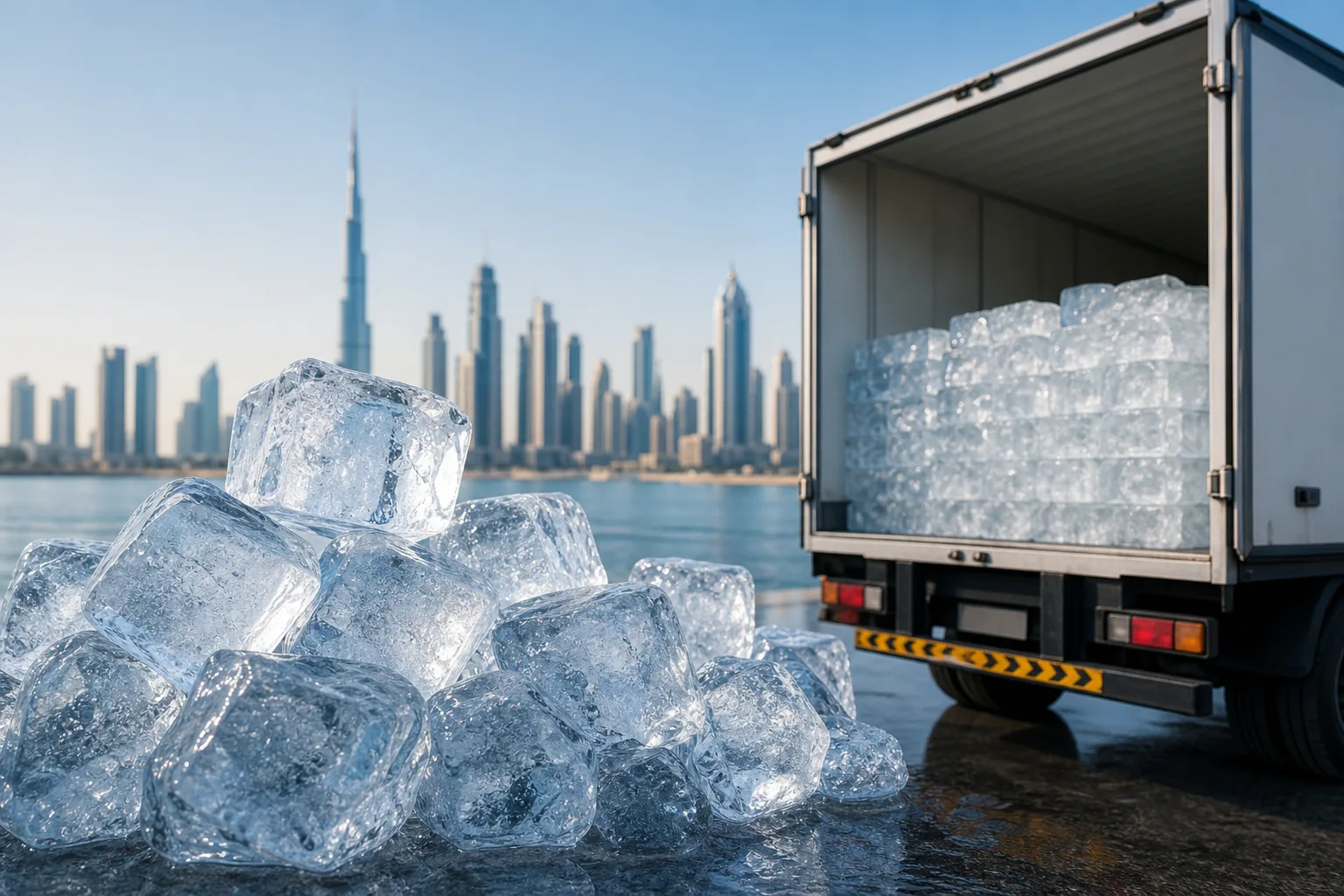
Dubai's year-round temperatures regularly exceeding 40°C, combined with over 13,000 food and beverage outlets and a thriving HORECA sector, create consistent, high-volume demand for ice products. The city's world-class logistics infrastructure also supports efficient distribution across local and regional markets.
Understand What the License Actually Covers
The ice trading license (Activity Code 4721.82) permits trading in packaged ice, bulk ice, dry ice, and ice for fishing and seafood preservation. It does not cover on-site ice production, which requires a separate manufacturing or industrial license.
Dubai South Free Zone Offers a Fast Setup
Entrepreneurs can typically obtain an ice trading license at Dubai South Business Hub Free Zone within 3 to 7 working days. The process is streamlined to reduce bureaucratic friction, requiring only passport copies, visa details, and a brief business activity description.
100% Foreign Ownership Is Permitted
Unlike mainland business structures, free zone licenses at Dubai South allow full foreign ownership with no local sponsor required. This makes it an attractive entry point for international entrepreneurs and established overseas businesses expanding into the UAE.
Know Which Business Profiles Benefit Most
The license suits importers, wholesale distributors, cold chain logistics operators, and re-exporters supplying GCC markets. Entrepreneurs entering the food and beverage supply chain will also find it a practical and cost-effective route to market.
Re-Export Opportunities Expand Your Market Reach
Dubai's position as a leading re-export corridor means ice traders can supply not just local customers but also neighbouring GCC countries and beyond. Re-exporting is permitted subject to standard customs compliance requirements.
Cold Chain Growth Underpins Long-Term Viability
The Middle East's cold chain logistics market is projected to grow significantly in the coming years, driven by expanding food, seafood, and pharmaceutical sectors. This trend reinforces the long-term commercial opportunity for businesses holding an ice trading license in Dubai.
Dubai's relentless heat, booming hospitality sector, and world-class logistics infrastructure make it one of the most commercially attractive markets for ice trading in the region. Whether supplying hotels, supermarkets, fishing ports, or industrial facilities, demand for packaged and bulk ice remains consistently high throughout the year. For entrepreneurs and established businesses looking to enter this space, securing an ice trading license at Dubai South Business Hub Free Zone is a practical and cost-effective route to market.
This guide covers everything you need to know about obtaining an ice trading license in Dubai, from activity codes and compliance requirements to setup costs, ideal business profiles, and the strategic advantages of operating in one of the UAE's fastest-growing free zones.
The UAE Ice Market: Context and Opportunity
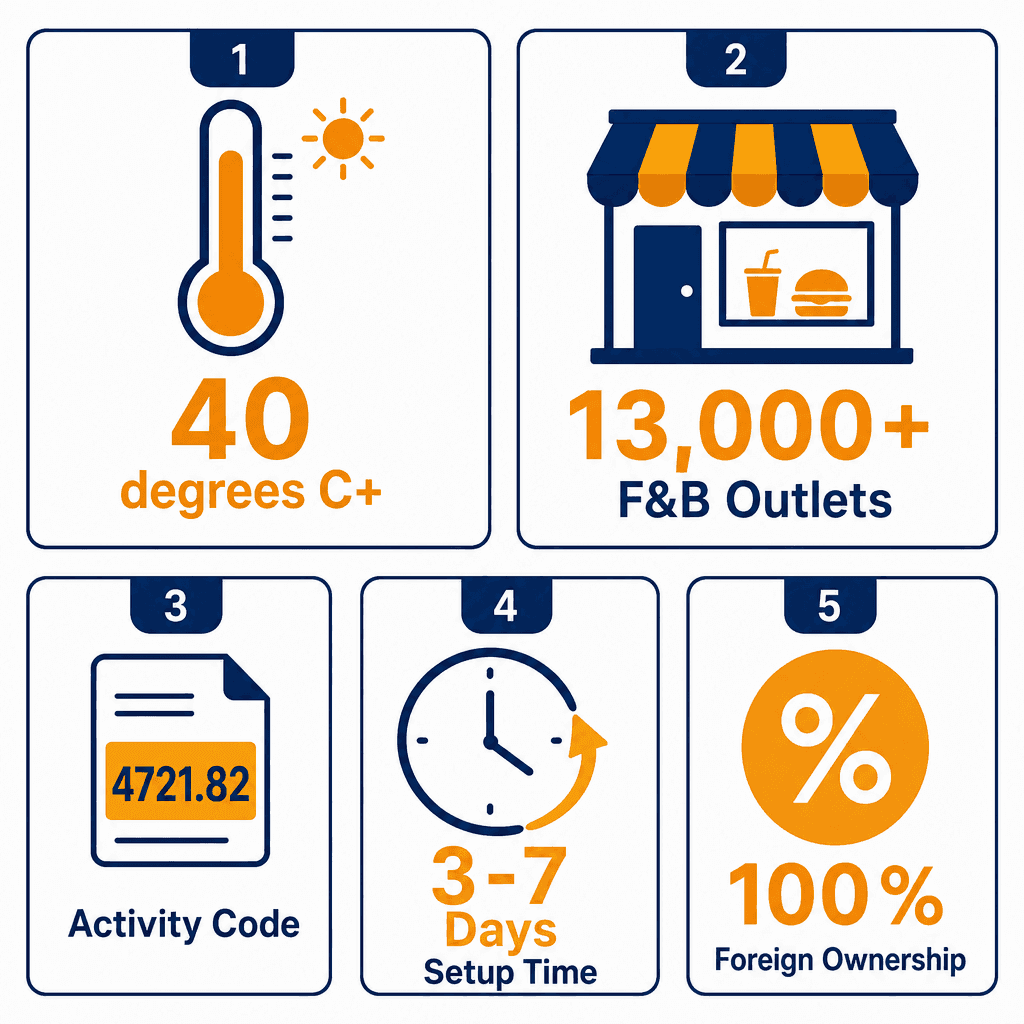
The UAE's food and beverage industry, fishing sector, and construction landscape all generate substantial demand for ice products. Dubai alone hosts over 13,000 food and beverage outlets, a thriving HORECA (hotel, restaurant, and catering) sector, and one of the busiest re-export corridors in the world. The country's year-round warm climate, with temperatures regularly exceeding 40 degrees Celsius in summer, sustains demand for cooling and refrigeration products across residential, commercial, and industrial segments.
Ice is also a critical commodity in the UAE's fishing and seafood industry, which relies heavily on bulk ice for preservation during transit and storage. The broader cold chain logistics market in the Middle East is projected to grow significantly over the coming years, underpinning the long-term viability of ice-related trading businesses.
What the Ice Trading License Covers
The ice trading license in Dubai falls under Activity Code 4721.82, classified within the Trading category under a Trading License. This activity permits the holder to trade in ice products, which may include:
Packaged ice for retail and consumer use
Bulk ice for industrial and commercial applications
Dry ice for specialist cooling and logistics purposes
Ice supplied to the HORECA sector, supermarkets, and food retailers
Ice for fishing vessels and seafood preservation
The license does not inherently cover the manufacture or production of ice. Businesses wishing to produce ice on-site would require a separate manufacturing or industrial license in addition to the trading activity.
Who Is This License Suited To?
The ice trading license is well-suited to a broad range of business profiles, including:
Importers and distributors of packaged ice products
Wholesale suppliers serving hotels, restaurants, and catering companies
Cold chain logistics operators looking to diversify their product offering
Re-exporters supplying ice to neighbouring GCC markets or beyond
Entrepreneurs entering the food and beverage supply chain
Infographic: Ice Trading License in Dubai South
Activity Code: 4721.82
License Type: Trading License
Free Zone: Dubai South Business Hub
Foreign Ownership: 100% permitted
Visa Eligibility: Available with license package
Typical Setup Timeline: 3 to 7 working days
Minimum Share Capital: Not mandated for most free zone structures
Re-export Permitted: Yes, subject to customs compliance
Step-by-Step Process
The process for obtaining an ice trading license at Dubai South Business Hub Free Zone is straightforward and designed to minimise bureaucratic friction:
Step 1 - Choose your business activity: Confirm that Activity Code 4721.82 aligns with your intended operations.
Step 2 - Select a legal structure: Free zone companies typically operate as a Free Zone Establishment (FZE) for sole shareholders or a Free Zone Company (FZCO) for multiple shareholders.
Step 3 - Submit your application: Provide passport copies, visa details, and a brief business plan or activity description.
Step 4 - Choose your office or flexi-desk package: Dubai South offers a range of workspace solutions including virtual offices, flexi-desks, and dedicated office units.
Step 5 - Pay license fees and receive your documents: Upon approval, you will receive your trade license, certificate of incorporation, and memorandum of association.
Estimated Costs
License fees at Dubai South Business Hub Free Zone are competitive relative to mainland Dubai and other established free zones. Typical costs include the annual license fee, registration fee, and any applicable visa or establishment card fees. Exact pricing varies depending on the package selected and the number of visas required. It is advisable to request a tailored quote directly from the free zone authority to obtain current figures.
Licensing and Compliance Requirements
Businesses holding an ice trading license must adhere to relevant UAE food safety and trade regulations. Key compliance considerations include:
Registration with the Dubai Municipality Food Safety Department if supplying food-grade ice
Compliance with UAE Federal Food Safety Law (Federal Law No. 10 of 2015) for any food-contact products
Adherence to customs and re-export documentation requirements for cross-border shipments
Maintaining appropriate cold storage and transport standards where the license holder manages logistics
Annual license renewal with the free zone authority
Why Dubai Is Well-Positioned for Ice Trading
Dubai's geographic location at the crossroads of Asia, Africa, and Europe makes it an exceptional base for trading operations. Dubai South, in particular, is positioned adjacent to Al Maktoum International Airport and in close proximity to Jebel Ali Port, the largest port in the Middle East. This connectivity dramatically reduces lead times and logistics costs for businesses importing, storing, and re-exporting ice products.
Additional advantages include a zero corporate tax environment for qualifying free zone entities, streamlined customs procedures, and a business-friendly regulatory framework that supports rapid company formation. The UAE government's continued investment in cold chain infrastructure and food security initiatives further strengthens the long-term outlook for ice-related businesses.
Get Started
Use the cost calculator for a tailored quote.
Verify your business name with the company name check.
Browse the full business activities directory.
Get in touch to start your application.
Frequently Asked Questions