Inspection, Testing Equipment & Devices Trading License in Dubai

Topic Summary
Choose the Right License Type
Your license depends on whether you sell equipment, provide inspection or calibration services, or do both. Review each activity before applying.
Mainland or Free Zone Decision
Mainland licenses allow sales across the UAE market, while free zones offer 100% foreign ownership and a simpler setup. Re-export businesses often fit well in a free zone.
Four-Step Licensing Process Overview
The process runs through reserving a trade name, obtaining initial approval, signing the lease and paying fees, and completing registration. Free zone licenses typically take about 3 to 7 working days once documents are complete.
Documents Needed for Application
Prepare passport copies and visas of owners and managers, proof of registered address such as a lease or Ejari certificate, and your memorandum of association or company articles.
Meeting ESMA and Sector Standards
Equipment must meet recognised international and UAE standards, and some products need ESMA certification or approval from sector regulators such as Dubai Municipality.
Keeping Compliance Records Current
Maintain calibration certificates, import documents, and supplier details for every product you import or sell. Organised records make audits much easier.
Renewing Your License on Time
Renew before the expiry date to avoid penalties and interruptions to your trading activity. Late renewal can pause your business operations.
Selling inspection and testing equipment in Dubai requires the right trading license before your first sale. This guide explains which license you need, the steps to get it, and the documents and compliance rules that keep your business on track.
Understanding the Inspection and Testing Equipment Trade
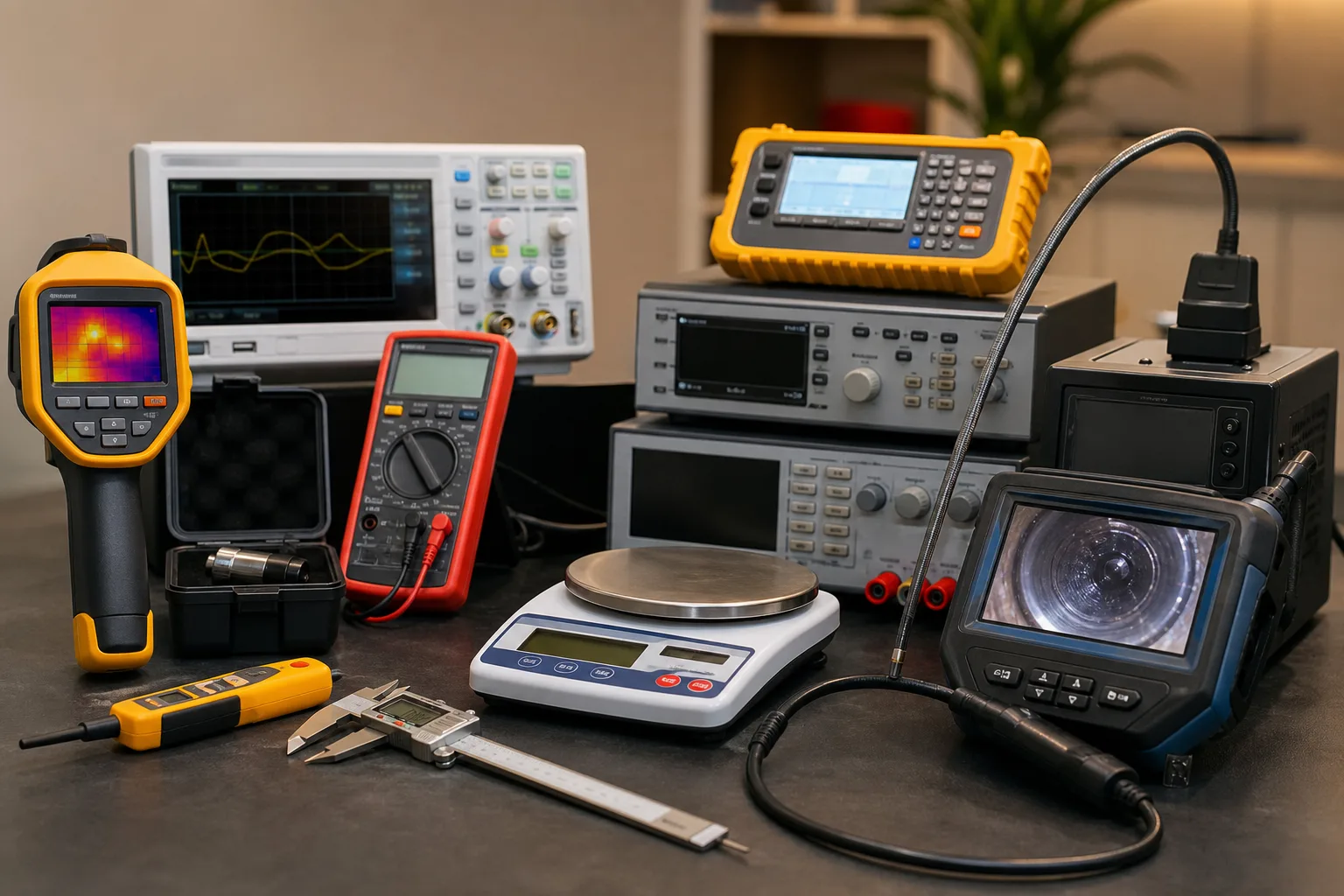
Inspection and testing equipment helps businesses check that products, materials, and structures meet safety and quality rules. This group includes electrical testers, ultrasonic and radiographic tools, measuring devices, and calibration instruments.
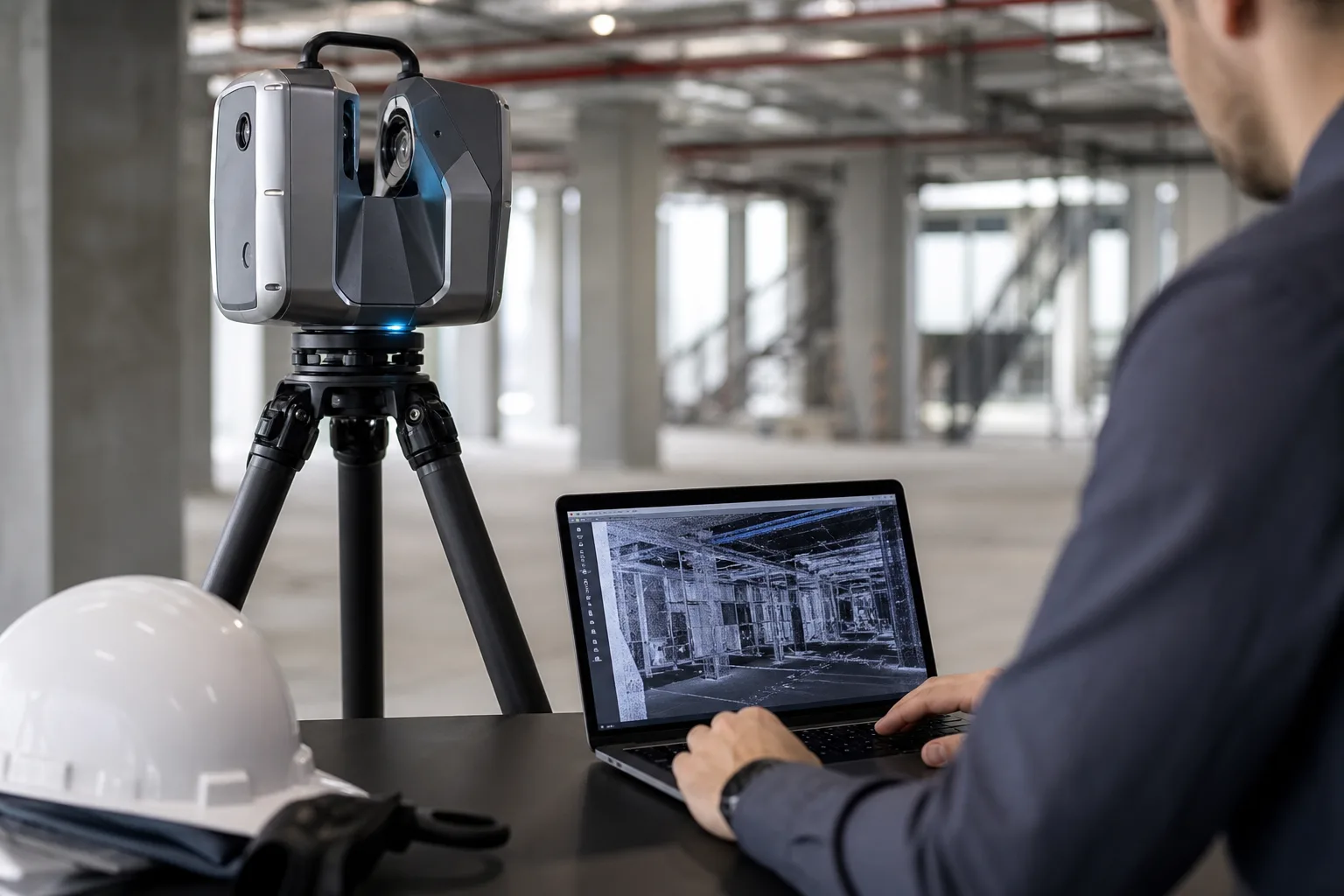
Buyers are usually laboratories, construction contractors, oil and gas service firms, and industrial manufacturers. Each one needs reliable tools that produce accurate results.
Dubai suits this trade well. The emirate has a major logistics network, fast air freight links, and a large construction market. Many buyers in the wider region rely on Dubai as a supply point.
Demand for this equipment tends to follow project activity. When construction, industrial maintenance, or infrastructure work increases, buyers often need more testing tools in a short period. A distributor that keeps a well-organised stock of common instruments can respond quickly to these requests, which builds trust with repeat customers. Understanding the seasonal and project-driven nature of demand also helps you plan inventory, cash flow, and supplier relationships from the start.
Choosing the Right License Type
The right license depends on what you do with the equipment. Some businesses sell products. Others provide inspection or calibration services. Your activity determines the license you need.
Commercial trading license: Suits distributors and resellers who buy, store, and sell equipment.
Professional or service license: Suits firms that perform calibration, inspection, or testing work for clients.
Many businesses combine both activities. If you sell equipment and also offer calibration, review each activity before you apply. Our inspection testing equipment devices trading license in Dubai page explains the trading activity in more detail.
Listing the wrong activity on your license can cause problems later. If your application does not cover the services you provide, you may need to amend the license or pause certain work until the change is approved. Taking time at the start to match your license activities with your actual business model saves time and cost over the life of the company.
Mainland vs. Free Zone Trading
Mainland licenses allow sales across the UAE market.
Free zones offer 100% foreign ownership and a simpler setup process.
Check whether your buyers are local or re-exporting. Re-export businesses often fit well in a free zone.
Your choice between mainland and free zone structures should also consider where your customers are located and how goods move. A free zone company may have restrictions on direct sales into the local market without additional arrangements, so confirm these rules before you sign a lease or place your first order.
Step-by-Step Licensing Process
The licensing process follows a clear sequence. Preparing each step in advance helps avoid delays. Most free zone licenses take about 3 to 7 working days once documents are complete.
Reserve a trade name that matches your activity.
Obtain initial approval from the licensing authority.
Sign the lease and pay the license fees.
Complete registration and receive your final license.
After licensing, you can open a corporate bank account and arrange employee visas if needed.
Banks often ask detailed questions about the source of funds, expected transaction volumes, and the nature of your customers. Prepare a short business profile and a list of your main suppliers before you visit the bank. Clear answers at this stage can shorten the account opening process considerably.
Documents You Will Need
Passport copies and visas of owners and managers.
Proof of registered address, such as a lease or Ejari certificate.
Memorandum of association or company articles.
Keep certified and original copies of these documents organised in one place. Authorities may request updated versions if ownership, management, or the registered address changes, so build a simple process for updating your records whenever the company's details change.
Compliance and Product Standards
Equipment must meet recognised international and UAE standards. Some products need certification from the Emirates Authority for Standardisation and Metrology (ESMA). Others may need approval from sector regulators such as Dubai Municipality.
Keep records for every product you import or sell. These records should include calibration certificates, import documents, and supplier details. Clear records make audits easier.
Renew your license on time. Late renewal can lead to penalties and may pause your trading activity.
Compliance is not a one-time task. Standards can be updated, and new product categories may be introduced over time. Assign a team member to monitor regulatory changes and to check whether any of your products require new documentation. Regular reviews help you avoid stock being held at the port or customer orders being delayed.
Key takeaways
Check that each product meets recognised standards and any ESMA requirements.
Keep calibration and import records for every item.
Renew your license before the expiry date to avoid penalties.
Conclusion
A correct trading license lets you sell inspection and testing equipment legally in Dubai. Choose the right license type, prepare documents early, and keep product compliance records current.
Contact our licensing team to confirm the right license for your equipment business.
Frequently Asked Questions