Potatoes Trading License in Dubai: Cost and Requirements

Topic Summary
100% Foreign Ownership With No Local Sponsor
Unlike mainland UAE business structures, a potatoes trading license at Dubai South Business Hub Free Zone allows full foreign ownership. There is no requirement for a UAE national sponsor or local partner.
No Minimum Share Capital Required
Most free zone trading licenses in Dubai South, including the potatoes trading license, carry no minimum share capital requirement. This significantly lowers the barrier to entry for entrepreneurs and SMEs.
Affordable Setup Cost and Fast Issuance
The estimated cost to set up a potatoes trading license ranges from AED 15,000 to AED 30,000. Licenses are typically issued within 5 to 10 working days, making the process both cost-effective and efficient.
Strategic Access to GCC and Global Markets
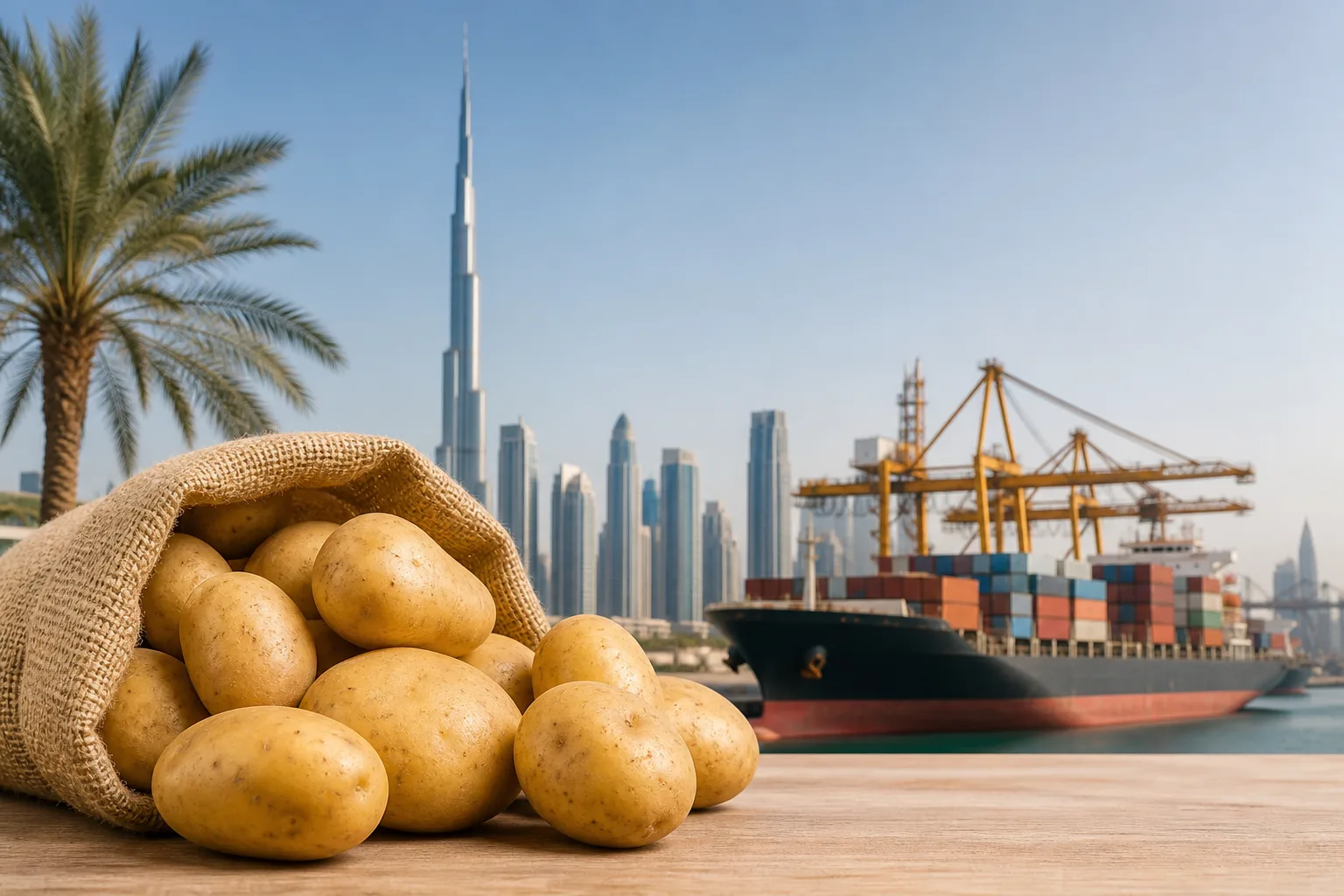
Dubai South sits at the crossroads of trade routes linking Asia, Africa, and Europe, offering strong re-export potential. The broader GCC region has a population of over 57 million with limited domestic agricultural output, creating sustained demand.
World-Class Logistics Infrastructure for Perishables
Jebel Ali Port and Al Maktoum International Airport provide efficient import and re-export channels for agricultural commodities like potatoes. Cold chain logistics and bonded warehouse facilities support the movement of fresh produce at scale.
License Covers Import, Export, and Re-Export Only
Activity Code 4721.99 permits the trading, distribution, and re-export of potatoes but does not cover processing or manufacturing activities. Businesses planning value-added operations such as peeling, cutting, or packaging will need a separate license classification.
High Demand Driven by Hospitality and Retail Sectors
Potatoes rank among the most widely consumed vegetables in the UAE, with demand fueled by a growing hospitality industry, large retail chains, and food processing businesses. This makes consistent supply a commercial priority for licensed distributors.
Dubai's position as a global trade corridor makes it one of the most strategically valuable locations in the world for agricultural commodity trading, including the high-demand potatoes market. Whether you are an established food importer or an entrepreneur entering the UAE market for the first time, understanding the licensing process is essential. This guide covers everything you need to know about obtaining a potatoes trading license under Activity Code 4721.99 at Dubai South Business Hub Free Zone, including costs, requirements, and setup steps.
Key Stats at a Glance
Activity Code: 4721.99 (Retail sale of potatoes and other vegetables not elsewhere classified)
License Type: Trading License
Free Zone: Dubai South Business Hub Free Zone
Estimated Setup Cost: AED 15,000 to AED 30,000
Foreign Ownership: 100% permitted
Typical License Issuance Timeline: 5 to 10 working days
Minimum Share Capital: None required for most free zone trading licenses
Why Dubai Is Well-Positioned for Potatoes Trading

The UAE imports a significant volume of potatoes each year, with demand driven by a rapidly growing hospitality sector, large-scale retail chains, and an expanding food processing industry. Potatoes rank among the most widely consumed vegetables across the country, making consistent supply a commercial priority for distributors and wholesalers alike.
Dubai's logistics infrastructure is among the most advanced in the world. Jebel Ali Port, the largest port in the Middle East, and Al Maktoum International Airport provide efficient import and re-export channels for perishable goods, including agricultural commodities. Cold chain logistics and bonded warehouse facilities further support the movement of fresh produce at scale.
Dubai South's strategic location places it at the intersection of trade routes connecting Asia, Africa, and Europe, making it a natural base for agricultural commodity traders targeting multiple markets simultaneously. The broader GCC region, with a combined population of over 57 million people and limited domestic agricultural production, presents strong and sustained re-export opportunities for licensed potato traders operating from Dubai.
What the Potatoes Trading License Covers
The potatoes trading license is issued under Activity Code 4721.99, which covers the retail sale of potatoes and other vegetables not classified elsewhere. This activity falls within the Trading category and is issued as a Trading License through Dubai South Business Hub Free Zone.
Under this license, permitted activities include the import, export, distribution, and re-export of potatoes as a primary commodity. Traders can source potatoes internationally, bring them into the UAE, and distribute them to retailers, wholesalers, hospitality businesses, or re-export them to regional markets.
It is important to note that this license does not cover the processing or manufacturing of potatoes or potato-based products. Activities such as peeling, cutting, frying, or packaging for consumer sale require separate approvals and may fall under a different activity classification. Traders planning value-added operations should seek guidance on the appropriate license category before applying.
Who the Potatoes Trading License Suits
This license is well suited to a range of business profiles. Entrepreneurs and SMEs looking to enter the UAE agricultural import and distribution market will find Dubai South's free zone structure accessible and cost-effective. The absence of a minimum share capital requirement reduces the barrier to entry significantly.
International traders seeking a free zone base for GCC-wide or global re-export operations benefit from Dubai's infrastructure and the free zone's streamlined licensing process. The license is equally relevant for investors who want 100% foreign ownership without the need for a UAE national sponsor or local partner, which is a significant advantage over mainland business structures.
Businesses already operating in food supply chains, such as importers, logistics providers, or food service distributors, will find this license a practical route to formalising their UAE trading activities under a recognised regulatory framework.
Setup Costs and Steps at Dubai South Business Hub Free Zone
License fees at Dubai South Business Hub Free Zone vary depending on the business activity selected, the type of office or facility chosen, and the number of visas required. Typical setup costs include a license registration fee, an establishment card, and an optional flexi-desk or warehouse facility, depending on operational needs.
There is no minimum share capital requirement for most free zone trading licenses, making entry accessible for small and medium-sized businesses. The estimated total setup cost for a potatoes trading license ranges from AED 15,000 to AED 30,000, depending on the package selected and the visa quota required. Businesses requiring larger visa allocations or dedicated warehouse space should budget towards the higher end of this range.
Step-by-Step License Application Process
Step 1: Choose your business activity and confirm Activity Code 4721.99 with the Dubai South Business Hub Free Zone authority to ensure alignment with your intended operations.
Step 2: Submit your application with the required documents, including passport copies for all shareholders and directors, a proposed company name, and a brief business plan.
Step 3: Receive initial approval from the free zone authority and pay the applicable license and registration fees.
Step 4: Sign a lease agreement for your chosen facility type, whether a flexi-desk, private office, or warehouse unit.
Step 5: Collect your trade license and establishment card, then proceed with visa applications for shareholders, directors, and employees as required.
The typical timeline from submission of a complete application to license issuance is 5 to 10 working days, subject to document accuracy and authority processing times.
Licensing and Compliance Requirements
Traders operating under this license must comply with UAE food safety regulations governed by Dubai Municipality and the UAE Food Safety Law. These regulations set standards for the handling, storage, and distribution of food products, including fresh vegetables such as potatoes.
The import of potatoes into the UAE requires phytosanitary certificates issued by the exporting country's relevant authority, confirming that the produce is free from pests and plant diseases. Clearance from the UAE Ministry of Climate Change and Environment is also required for plant-based imports, in line with the country's plant import regulations.
Depending on the volume of stock held and the nature of operations, a cold storage or temperature-controlled facility may be necessary to comply with Dubai Municipality food storage guidelines. Traders should assess their storage requirements at the planning stage to avoid compliance issues after license issuance.
Annual license renewal is mandatory. Failure to renew on time results in financial penalties and may lead to license cancellation. Opening a corporate bank account, which is a standard operational requirement, will require a valid trade license and establishment card as supporting documentation.
Get Started
Use the cost calculator for a tailored quote.
Verify your business name with the company name check.
Browse the full business activities directory.
Get in touch to start your application.
Frequently Asked Questions