Start a Timber Trading Business in Dubai
Topic Summary
Dubai's Strategic Location Boosts Timber Trade
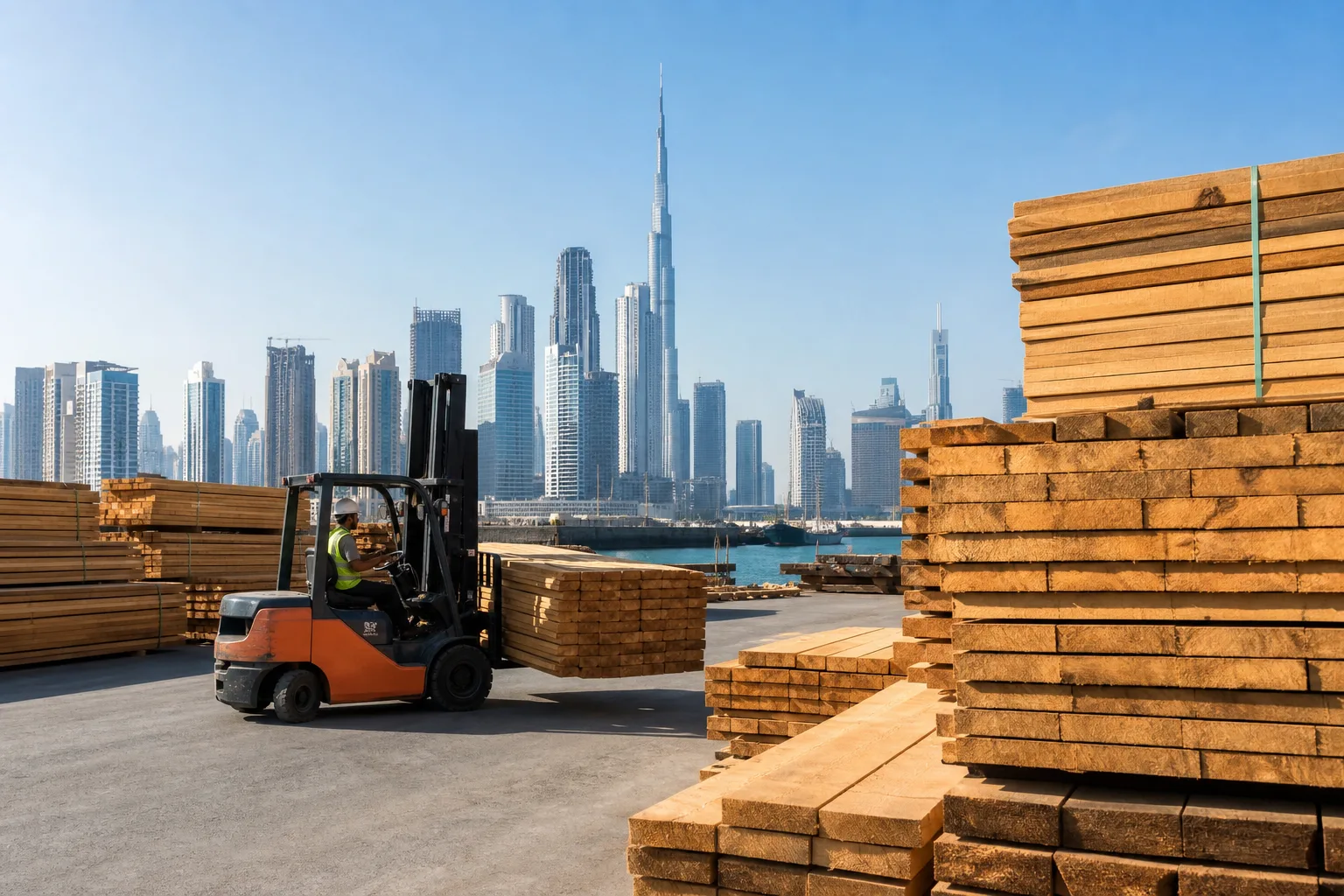
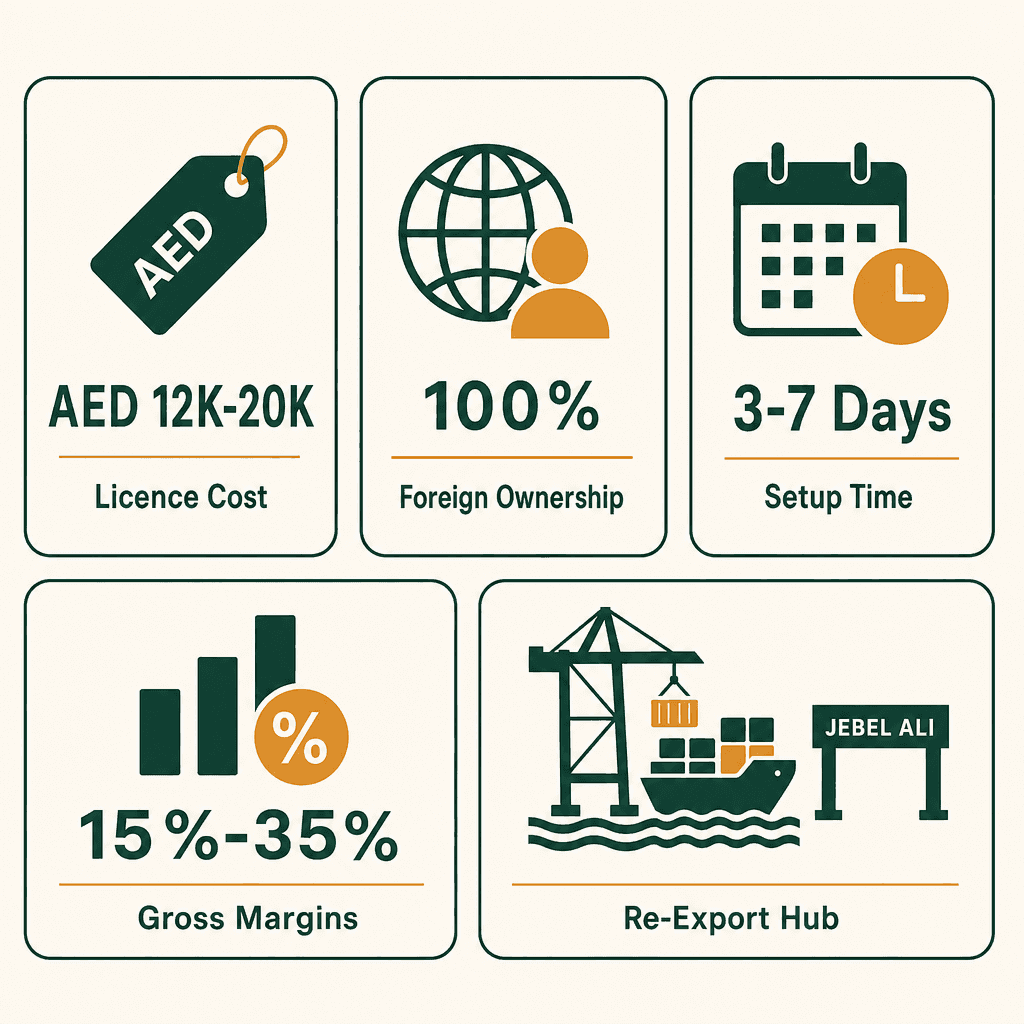
Dubai sits at a crossroads between major timber-supplying regions in Southeast Asia, Europe, and North America, making it easy to source and redistribute products globally. Its advanced port infrastructure at Jebel Ali enables efficient import, consolidation, and re-export to the GCC, East Africa, and South Asia.
100% Foreign Ownership With a Free Zone License
Registering under Dubai South Business Hub Free Zone allows international entrepreneurs to retain full ownership of their timber trading business without a local partner. This makes it an attractive option for both new startups and established businesses seeking a tax-efficient regional hub.
Low Setup Costs and Fast Processing Times
A timber trading license under activity code 4752.29 typically costs between AED 12,000 and AED 20,000, excluding visa fees. Licenses can be processed in as little as three to seven working days, allowing traders to get operational quickly.
One License Covers Multiple Timber Product Lines
Activity code 4752.29 permits trading in a broad range of wood products, including raw timber, plywood, MDF, particleboard, cork, and associated construction materials. A single trading license supports importing, wholesaling, and re-exporting under one business structure.
Strong Profit Margins in a Growing Market
Timber traders in Dubai can achieve gross margins of 15% to 35% depending on sourcing region and target market. Sustained UAE construction activity driven by mega-projects and residential development ensures consistent and growing demand for wood products.
Proximity to Key Logistics Hubs Is a Major Advantage
Dubai South Free Zone's location near both Al Maktoum International Airport and Jebel Ali Port gives timber traders direct access to multimodal logistics networks. This is especially valuable for time-sensitive or high-value shipments requiring fast customs clearance.
Suitable for a Wide Range of Business Profiles
The timber trading license suits entrepreneurs, SMEs, and established construction material traders alike. Whether sourcing for local UAE distribution or operating as a re-export specialist, the free zone framework is designed to be straightforward and cost-effective.
Dubai's position as a gateway between timber-producing nations and high-growth construction markets makes it one of the most strategically valuable locations in the world for wood and timber trade. Whether you are sourcing hardwood from Southeast Asia, softwood from Eastern Europe, or engineered timber products from North America, Dubai offers the infrastructure, regulatory environment, and market access to support a profitable trading operation.
This guide covers everything you need to know about launching a timber trading business under activity code 4752.29 at Dubai South Business Hub Free Zone, from license scope and setup costs to compliance requirements and market opportunity.
Key Stats at a Glance
Activity Code: 4752.29 - Retail Sale of Wood, Cork and Construction Materials
License Type: Trading License
Category: Trading
Free Zone: Dubai South Business Hub Free Zone
Foreign Ownership: 100% permitted
Typical License Cost: From AED 12,000 to AED 20,000 (excluding visa fees)
Processing Time: 3 to 7 working days
Potential Gross Margins: 15% to 35% depending on sourcing region and end market
Why Dubai Is Ideal for Timber Trading
The UAE construction sector continues to expand at a significant pace, driven by government-backed mega-projects, residential development programmes, and infrastructure investment across the Emirates. This sustained demand creates a reliable and growing market for timber and wood products, from structural lumber and plywood to engineered wood panels and decorative veneers.
Dubai's port infrastructure is among the most advanced in the world. Jebel Ali Port, one of the largest container ports globally, enables efficient import, consolidation, re-export, and distribution of timber to markets across the GCC, East Africa, and South Asia. For businesses focused on re-export, this connectivity is a significant commercial advantage.
Dubai sits at a natural crossroads between the world's major timber-supplying regions. Southeast Asian producers in Malaysia and Indonesia, European softwood exporters, and North American lumber mills can all supply efficiently into Dubai, where goods can be stored, processed, and redistributed with minimal friction.
Dubai South Free Zone's proximity to Al Maktoum International Airport and Jebel Ali Port makes it particularly well suited to time-sensitive or high-value timber shipments, offering traders fast customs clearance and direct access to multimodal logistics networks.
What the Timber Trading License Covers
Activity code 4752.29 covers the retail sale of wood, cork, and construction materials in specialised stores. Under a Trading License issued by Dubai South Business Hub Free Zone, this activity permits the import, export, re-export, storage, and distribution of timber and related wood products across permitted markets.
The scope of the license is broad enough to accommodate a wide range of timber product lines, including raw timber, processed lumber, plywood, particleboard, medium-density fibreboard (MDF), cork products, and associated construction materials. Traders can operate as importers, wholesalers, or re-export specialists under a single license.
License Detail | Information |
|---|---|
Activity Code | 4752.29 |
Activity Description | Retail sale of wood, cork and construction materials |
License Type | Trading License |
Category | Trading |
Free Zone | Dubai South Business Hub Free Zone |
Who This License Is Best Suited For
The timber trading license under activity code 4752.29 is well matched to a range of business profiles. Entrepreneurs and SMEs sourcing timber from international suppliers for UAE distribution or regional re-export will find the free zone framework straightforward and cost-effective. Existing timber businesses seeking a free zone base for tax efficiency and 100% foreign ownership can use Dubai South as a regional hub without the complexity of mainland company formation. Construction material traders looking to consolidate wood product lines under a single activity license will also benefit from the breadth of the activity's permitted scope.
Setup Costs and Steps at Dubai South Business Hub Free Zone
Setting up a timber trading company at Dubai South Business Hub Free Zone involves a clear and well-defined process. Typical setup costs include a license fee, a registration fee, and the cost of a workspace arrangement such as a flexi-desk or warehouse facility. Indicative costs for a basic trading license start from AED 12,000 to AED 20,000, excluding visa fees and any warehouse or storage facility costs.
The free zone offers flexible facility options to suit different operational scales. A flexi-desk arrangement is suitable for traders who manage logistics and inventory through third-party warehousing, while dedicated warehouse units within Dubai South are available for businesses requiring on-site storage and handling of timber stock.
The step-by-step setup process is as follows:
Select your business activity (4752.29 - timber and wood products trading)
Submit your application to Dubai South Business Hub Free Zone
Provide required documentation including passport copies, shareholder details, and a business plan
Submit a No Objection Certificate if applicable (for UAE residents changing visa status)
Pay the applicable license and registration fees
Receive your trading license and commence operations
Timeline to Get Licensed
Standard processing at Dubai South Business Hub Free Zone typically takes between 3 and 7 working days from the point at which all documents have been submitted and fees paid. This makes it one of the faster free zone licensing processes available in the UAE. Additional time should be budgeted for visa processing and Emirates ID registration, which can take a further 2 to 4 weeks depending on individual circumstances.
Licensing and Compliance Requirements
A free zone trading license issued by Dubai South Business Hub Free Zone does not automatically permit direct retail or wholesale trade on the UAE mainland. Businesses wishing to supply mainland customers should work through a licensed mainland distributor or agent, or consider obtaining a separate mainland trading license in addition to the free zone entity.
Timber imports into the UAE must comply with Dubai Municipality regulations and UAE Federal Customs Authority requirements. Importers should ensure that all shipments are accompanied by the appropriate documentation, including certificates of origin, phytosanitary certificates, and packing declarations where required.
Traders dealing in protected or regulated wood species must be aware of their obligations under the Convention on International Trade in Endangered Species of Wild Fauna and Flora (CITES). Certain tropical hardwoods, including some species of rosewood and ebony, require CITES export permits from the country of origin and import permits for entry into the UAE. Non-compliance can result in shipment seizure and significant penalties.
All Dubai South Free Zone licenses are subject to annual renewal. Businesses must maintain a valid tenancy or facility agreement within the free zone as a condition of license renewal, ensuring continuous compliance with free zone residency requirements.
Profit Potential and Market Considerations
The UAE timber and wood products market benefits from a strong and sustained demand base. Ongoing mega-projects across Dubai and Abu Dhabi, combined with a steady pipeline of residential and commercial construction, create consistent demand for structural timber, interior wood finishes, and engineered wood products.
Dubai's free zone status provides a meaningful pricing advantage for re-export traders. Many wood product categories attract zero customs duty within the free zone environment, allowing traders to price competitively when supplying GCC neighbours, East African markets, and South Asian buyers.
Sourcing from cost-effective suppliers in Malaysia, Indonesia, and Eastern Europe can support gross margins of between 15% and 35%, depending on the product category, destination market, and volume. However, traders should carefully manage exposure to currency fluctuation, particularly when dealing in US dollar-denominated freight contracts and supplier invoices, as well as monitoring freight rate volatility and supplier lead times, which can significantly affect landed cost and margin outcomes.
Get Started
Use the cost calculator for a tailored quote.
Verify your business name with the company name check.
Browse the full business activities directory.
Get in touch to start your application.
Frequently Asked Questions