Topic Summary
What Is a Vertical Farming Business UAE Setup and How Does It Work?
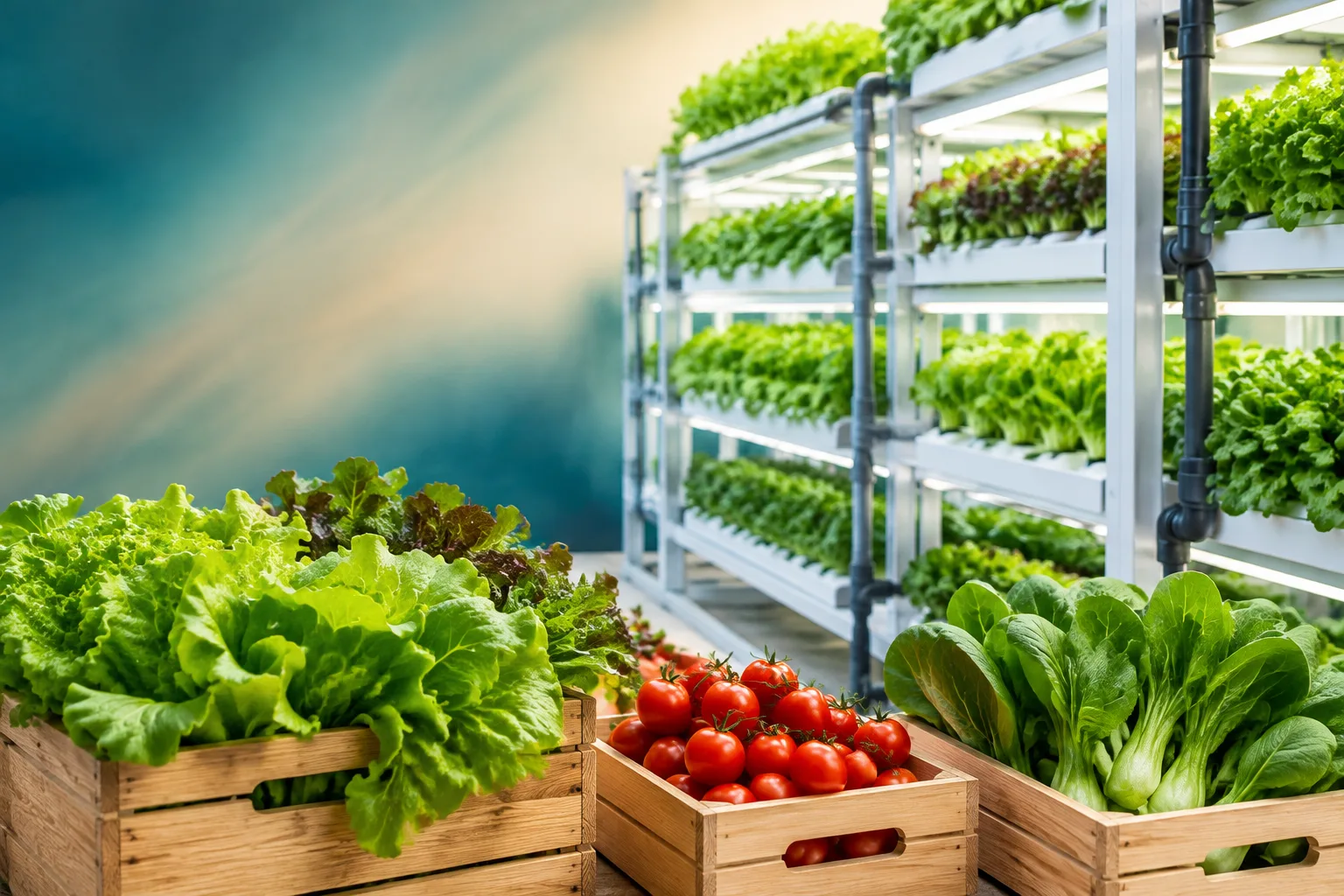
A vertical farming business uae setup is a company that grows crops indoors in stacked layers using hydroponics, aeroponics or similar systems, with controlled light, climate and water. In the UAE, it needs a suitable license, site approvals, food safety clearance and a reliable route to retail buyers. Confirm requirements with the relevant authority.
Why Is the UAE Backing a Vertical Farming Business UAE Push?
Why Is the UAE Backing a Vertical Farming Business UAE Push?
Which License Fits Your Agritech Model: Free Zone or Farming Land?
Agritech R&D, consulting and trading activities can often be licensed in a free zone such as Dubai South Business Hub Free Zone. Physically farming on land usually involves agricultural land, municipal and ministry approvals. As of 2026, the right route depends on your activity, so verify with the licensing authority.
Which MOCCAE and Food Safety Approvals Do You Need?
Growers and food traders typically deal with MOCCAE (the Ministry of Climate Change and Environment) for agriculture matters, and with the local food safety authority for premises, products and labelling. Requirements depend on crop, site and sales channel. As of 2026, confirm current approvals with MOCCAE and the municipality before buying equipment.
How Much Do Power and Water Cost for Indoor Farms?
Electricity for lighting and cooling is usually the largest running cost in a vertical farming business uae, followed by water treatment, nutrients and labour. Tariffs depend on your site and utility provider. Model several scenarios and confirm current tariffs before finalising your plan.
What Steps Should You Follow to Launch Your Indoor Farm?
Launch in sequence: define your model and crops, pick the license route, form the company, secure approvals, plan site, power and water, then line up buyers. Each step depends on the previous one, so confirm requirements with the named authority before committing capital.
How Do You Sell Produce to Retailers and Distributors?
Sell by proving consistent quality, compliant labelling, reliable volumes and traceability. Start with a pilot supply, then negotiate listing terms. Retailer requirements vary, so confirm each buyer's standards and the food safety rules before signing.
A vertical farming business uae is usually set up by choosing a license route (free zone agritech R&D and trading, or farming land), securing MOCCAE and food safety approvals, and planning power, water and retail channels early. The UAE imports most of its food, which is why indoor growing has become a serious investment case. Verify the current import share with an official source before quoting it in a pitch.
This guide is for agritech founders who want to know which license to pick, which approvals to chase, what drives running costs and how produce reaches shelves. Every policy point is written as of 2026, so confirm details with the named authority.
What Is a Vertical Farming Business UAE Setup and How Does It Work?
A vertical farming business uae setup is a company that grows crops indoors in stacked layers using hydroponics, aeroponics or similar systems, with controlled light, climate and water. In the UAE, it needs a suitable license, site approvals, food safety clearance and a reliable route to retail buyers. Confirm requirements with the relevant authority.
How Hydroponics, Aeroponics and Vertical Systems Differ
Hydroponics grows plants in nutrient solution. Aeroponics mists the roots instead. Vertical farming simply stacks either method in layers. Leafy greens, herbs and microgreens are the usual crops, and strawberries work in some facilities.
Controlled environments suit a hot, arid climate because you manage temperature, humidity and water directly. Recirculating systems are often reported to use less water than open-field growing, but treat any percentage as a claim to verify. The baseline model many founders use is a leafy-greens facility supplying salad packs to supermarkets.
Business Models: Grower, Technology Provider or Hybrid
You can be a grower who produces and sells, a technology provider who sells equipment or R&D, or a hybrid. Picture a founder who sells grow systems and runs a small demonstration farm. That model proves the technology to buyers while the trading side earns revenue.
Your model drives your license choice and approvals, so settle it first. If hydroponics business setup Dubai is your goal, a hybrid often starts with a trading license for greenhouse equipment trading.
Why Is the UAE Backing a Vertical Farming Business UAE Push?

The UAE has set out the National Food Security Strategy 2051, which aims to strengthen local production and supply resilience. Indoor farming fits that direction because it works in controlled conditions in a harsh climate. As of 2026, confirm current programmes and incentives with official sources.
What the National Food Security Strategy 2051 Signals
The strategy, announced in 2021 (UAE Cabinet, 2021), is reported to prioritise domestic production, technology and supply-chain resilience. It doesn't promise you a grant. It does give you a framing: a founder pitching an indoor farm can tie fresher local produce and shorter supply chains to a stated national priority.
What This Means for Founders and Investors
Policy tailwinds don't guarantee grants or offtake. Treat them as context, not revenue. A realistic plan combines private capital with pilot-stage partnerships, and our guide to funding sources for a UAE startup covers the options. Ask the relevant authority directly about any incentive before you budget around it.
Which License Fits Your Agritech Model: Free Zone or Farming Land?
Agritech R&D, consulting and trading activities can often be licensed in a free zone such as Dubai South Business Hub Free Zone. Physically farming on land usually involves agricultural land, municipal and ministry approvals. As of 2026, the right route depends on your activity, so verify with the licensing authority.
Free Zone Route for Agritech R&D and Trading
Dubai South Business Hub Free Zone offers company formation, trade licenses and residency visa packages tied to the license. Relevant activities include agricultural research and consultancy and seeds trading. A hydroponic systems reseller licensed for greenhouse equipment trading is a typical example. Free zone companies still have tax obligations, so don't assume a blanket exemption.
Farming Land and Production Sites
Growing at scale generally needs a production site and permissions beyond a trading license. An industrial license may become relevant, and this guide explains when you need one. Site rules vary by emirate and authority. My view: license a trading and consulting entity first, then secure the production site, because it lets you sign supplier and pilot deals while site approvals run.
License Comparison at a Glance
License Route Comparison for Agritech Founders
Feature | Free Zone Agritech R&D and Trading License | Farming Land and Production Route |
|---|---|---|
Typical activities | Agritech R&D, consultancy, equipment, seeds and fertiliser trading | Crop production and packing on a dedicated site |
Physical growing allowed | Generally no at scale; confirm with the authority | Yes, subject to site and ministry permissions |
Main authorities involved | Free zone authority; food safety bodies if trading food | MOCCAE, municipality and land authority |
Setup complexity | Lower: one licensing process, visa packages tied to license | Higher: several approvals that vary by emirate |
Best suited for | Technology sellers, consultants, early-stage hybrids | Growers ready to run a production facility |
Which MOCCAE and Food Safety Approvals Do You Need?
Growers and food traders typically deal with MOCCAE (the Ministry of Climate Change and Environment) for agriculture matters, and with the local food safety authority for premises, products and labelling. Requirements depend on crop, site and sales channel. As of 2026, confirm current approvals with MOCCAE and the municipality before buying equipment.
What MOCCAE Typically Oversees
The ministry's role covers agriculture, inputs and related permits (see the MOCCAE official website). Seeds, fertilisers and pesticides may each need separate permissions. A grower importing seeds and nutrients should check input permissions first, since a blocked shipment delays the whole launch.
Food Safety, Premises and Labelling
Food safety inspection covers your premises and products. Packed herbs need compliant labels before a supermarket will list them, so read the food labelling requirements. If you also trade produce, our walkthrough on food trading approval applies.
How Much Do Power and Water Cost for Indoor Farms?
Electricity for lighting and cooling is usually the largest running cost in a vertical farming business uae, followed by water treatment, nutrients and labour. Tariffs depend on your site and utility provider. Model several scenarios and confirm current tariffs before finalising your plan.
Power: Lighting, Cooling and Backup
LED lighting and air conditioning drive consumption. Efficient fixtures and renewable sourcing are options worth pricing. Stress-test your margins with a high and a low power scenario, and don't build the plan around a single assumed rate.
Water, Nutrients and Waste
Closed-loop recirculation can reduce water use compared with open-field growing, though results vary by system. Water quality matters, so plan treatment and periodic testing. Also consider effluent and waste handling, and consult a specialist in water and irrigation engineering if your design is complex.
What Steps Should You Follow to Launch Your Indoor Farm?
Launch in sequence: define your model and crops, pick the license route, form the company, secure approvals, plan site, power and water, then line up buyers. Each step depends on the previous one, so confirm requirements with the named authority before committing capital.
Step 1 to Step 3: Model, License and Company Formation
Step 1: Define your model and crops. Decide whether you're a grower, technology provider or hybrid.
Step 2: Choose your license activity. A founder might start with agritech R&D plus trading.
Step 3: Form the company at Dubai South Business Hub Free Zone. Residency visa packages are tied to the license.
Step 4 to Step 6: Approvals, Site and Sales Channels
Step 4: Apply for MOCCAE and food safety approvals.
Step 5: Plan your site, power and water.
Step 6: Approach retailers and agree a pilot supply, such as one batch to one retailer before you scale. Our business support services can help with the setup stages.
How Do You Sell Produce to Retailers and Distributors?
Sell by proving consistent quality, compliant labelling, reliable volumes and traceability. Start with a pilot supply, then negotiate listing terms. Retailer requirements vary, so confirm each buyer's standards and the food safety rules before signing.
Winning Supermarket and Distributor Listings
Freshness, shelf life and consistency are your selling points. Prepare supplier onboarding documents and compliance proof. A local-grown herb brand can pitch shelf-life and traceability advantages against imported product.
Direct, Food Service and Export Options
Hotels, restaurants and caterers are natural buyers, and a restaurant contract for microgreens is a sensible first win. Direct subscriptions can hedge retail risk. Export needs separate rules, so confirm with the authorities.
Conclusion
A vertical farming business uae works when license route, approvals, running costs and retail channels are planned together, with every rule checked as of 2026 against MOCCAE and the relevant authorities. Ready to start? Speak with Dubai South Business Hub about free zone company formation, trade licenses and residency visa packages, and browse the business activities list to pick yours. For a broader overview, read the guide to starting a business at DSBH.
References
Frequently Asked Questions